Why Your Spearfishing Gear Choices Matter More Than You Think
Two spearfishers jump in the same blue water. One spent $400 on a complete package from a discount dive shop. The other assembled a kit piece by piece after months of research. The first guy gets cold after 40 minutes, can’t equalize past 20 feet, and his gun shoots three feet left of where he aims. The second guy is still warm after two hours, drops to 50 feet effortlessly, and lands a nice dogtooth on his second dive. That’s not gear snobbery talking. That’s the difference between fighting your equipment and having it disappear beneath you. When you’re holding your breath and the fish are wary, your gear either helps you get the shot or it doesn’t. This guide covers every category, every material choice, and every fit consideration so you can build a kit that works as hard as you do.
After testing more gear than I care to admit — and breaking plenty of it — I’ve learned what actually holds up in real conditions.
Essential Spearfishing Gear Categories at a Glance
Before we dive into the details, here is a quick overview of the nine gear categories that make up a complete spearfishing setup. You will not need everything on day one, but understanding the full picture helps you prioritize your spending.
- Wetsuit: Thermal protection and camouflage
- Mask and snorkel: Vision and breathing on the surface
- Fins: Propulsion and efficiency underwater
- Speargun: The tool that lands the fish
- Float line and buoy: Safety and catch management
- Weight belt: Neutral buoyancy at depth
- Dive knife: Cutting entanglement and fish handling
- Dive computer: Depth, time, and safety tracking
- Accessories: Gloves, boots, bags, and spare parts
The Core Gear: What You Absolutely Need
Wetsuit Thickness and Material
Spearfishing wetsuits are different from surf suits. They need to keep you warm during long periods of stillness between dives, not just during active paddling. For tropical water above 75°F, a 3mm open-cell wetsuit is standard. For temperate water between 60°F and 75°F, go with a 5mm. For cold water below 60°F, a 7mm or even 9mm is necessary. Open-cell neoprene traps a thin layer of water against your skin and is significantly warmer than nylon-lined suits. The tradeoff is durability—open-cell suits tear more easily and require careful handling when putting them on. Shop spearfishing wetsuits →
Low-Volume Mask
A low-volume mask sits closer to your face and uses less air to equalize when you descend. This is not optional for spearfishing. Recreational scuba masks with high volume force you to exhale more air into the mask during equalization, which wastes oxygen you need for breath-hold diving. Look for a frameless or low-profile design with a small internal volume. Test fit in a shop by pressing the mask against your face without the strap and inhaling gently through your nose. If it stays on without sealing against your face, it is a good fit. Find low-volume masks →
Long-Blade Fins
Plastic fins work for beginners but limit your efficiency. Fiberglass and carbon fiber blades offer better energy return, meaning less leg fatigue and more bottom time. Start with fiberglass if you are on a budget—they are about twice the price of plastic but last much longer. Cut the foot pocket size correctly: your toes should lightly touch the end of the pocket when standing, but you should not feel cramped. If the pocket is too big, you will get blisters. If too small, you will cramp. Compare long-blade fins →
Speargun Basics
For most situations, a 90cm to 110cm band-powered speargun is the best all-around starting point. Pneumatic guns are more powerful and compact for their length but require more maintenance and can be finicky to load. Band guns are simpler, more reliable, and easier to service in the field. Begin with a basic rail gun in the 90–100cm range. Wood stock guns offer better balance and durability but cost more. For your first gun, prioritize a reliable trigger mechanism and a straight barrel over fancy materials. Browse spearguns on Amazon →
Float and Flag
Every spearfisher needs a float and dive flag. The float keeps your catch secure and provides a rest point for surface intervals. The dive flag warns boat traffic that you are underwater. Many states legally require a dive flag when spearfishing. Get a high-visibility inflatable or hard float in orange or yellow, and attach a flag that stands at least 12 inches above the float. A 5-foot leash is standard for most conditions. See dive floats and flags →
Speargun Selection: Band vs. Pneumatic, Rail vs. Carbon
Band Guns
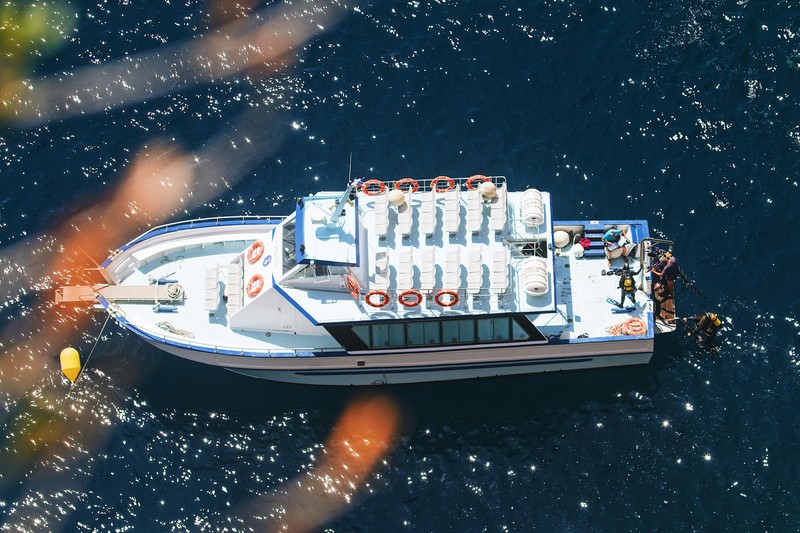
Band guns use rubber bands as the power source. They are the most common type of speargun and for good reason. They are easy to load, simple to maintain, and available in a huge range of lengths. A 90cm band gun with two 16mm bands will handle reef fish and medium pelagics. For bigger fish like tuna or wahoo, step up to a 110–130cm gun with three bands or an enclosed track design. Band guns are quieter than pneumatics when fired, which matters in clear water with wary fish.
Pneumatic Guns
Pneumatic guns use compressed air instead of bands. They are shorter for the same power output, which makes them easier to maneuver in caves, kelp, or tight reef structures. A 70cm pneumatic gun can match the power of a 100cm band gun. The downsides are the cost—pneumatics typically start at double the price of an entry-level band gun—and the maintenance. The seals need regular care, and if the gun fails underwater, it is a hassle to troubleshoot.
Rail Guns vs. Open Track
A rail gun has a raised track along the barrel that guides the spear. This improves accuracy and reduces shaft whip. Most modern spearguns sold today use this design. Open track guns are older designs without the raised rail. They are lighter and slightly cheaper, but less accurate at longer ranges. For any serious hunting, go with a rail gun.
Wood vs. Carbon Barrels
Wood barrels offer natural buoyancy, which helps balance the gun in the water. They also absorb vibration better than carbon fiber, making them quieter. Carbon fiber barrels are lighter and stiffer but more expensive. Beginners do not need carbon fiber. A quality teak or mahogany gun will serve you for years before you can tell the difference.
Shaft Thickness and Wrap Options
Spear shafts come in 6.5mm, 7mm, and 8mm diameters. Thicker shafts are heavier and penetrate better on large fish but drop faster and require more power to shoot straight. For reef hunting, 6.5mm or 7mm is ideal. For big fish, 8mm with a slip tip is standard. The wrap—how the shooting line is attached to the shaft—matters for accuracy and penetration. A single wrap with a breakaway setup is the most reliable for open water hunting.
Wetsuits for Spearfishing: Thickness, Camo, and Open Cell vs. Nylon Lined
Open Cell vs. Nylon Lined
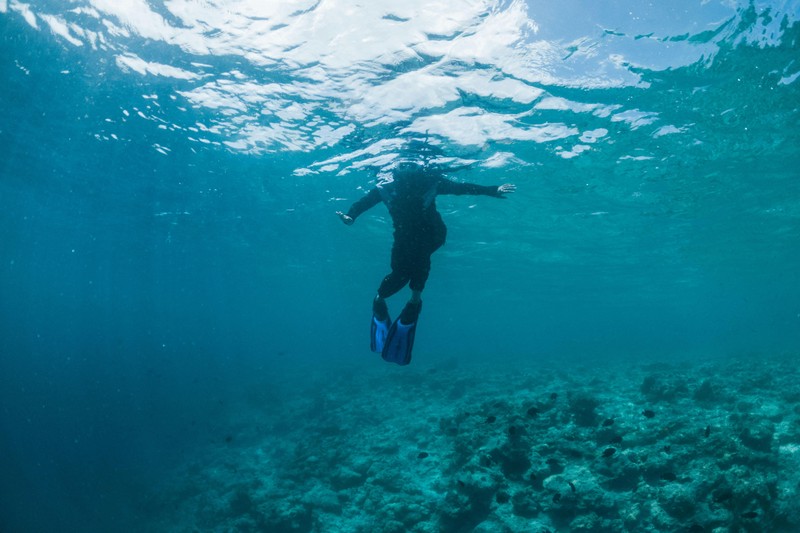
Open-cell wetsuits have no fabric lining on the inside. The neoprene directly contacts your skin, trapping a thin layer of water that your body warms instantly. These suits are significantly warmer than nylon-lined suits of the same thickness. The downside is that they are harder to put on. You need either a lubricant like diluted conditioner or soapy water to slide into them. They also tear more easily if you snag them on rough surfaces. Nylon-lined suits are more durable and easier to use but less warm. For dedicated spearfishing, most experienced hunters prefer open-cell for the thermal performance.
Camo Patterns
Fish see color. A camo pattern that matches the local water color and bottom structure helps you get closer. Blue-water camo works for open ocean. Green and brown patterns are better for reef, kelp, or seagrass. Some brands offer custom patterns for specific regions. Camo is not essential for beginners, but it does help once fish get pressured. Pick a pattern that blends with your most common hunting environment.
Thickness Chart
- Above 80°F: 1.5mm to 3mm top or shorty
- 75–80°F: 3mm full suit
- 65–74°F: 5mm full suit
- 55–64°F: 7mm full suit
- Below 55°F: 9mm or drysuit
Consider dive time and surface interval. If you make long dives and spend short periods on the surface, you can get away with a slightly thinner suit. If you drift for long surface intervals between drops, go thicker.
Masks, Snorkels, and Fins: The Fit and Feel Factor
Low-Volume Mask Benefits
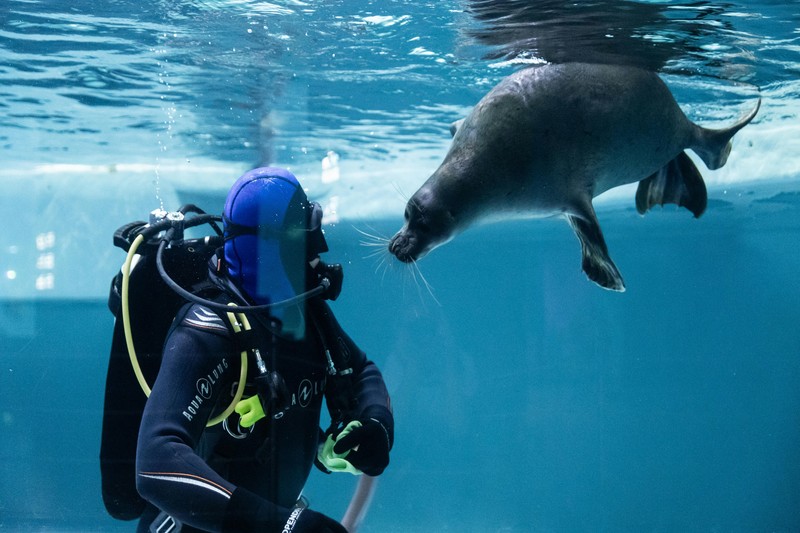
Less air needed to equalize means more oxygen saved for breath-holding. Frameless masks offer the lowest volume and pack down small for travel. Frame masks are more durable and often have better lens options for prescription inserts. Whichever you choose, test the fit. A mask that leaks underwater ruins a dive.
Snorkel Design
Simple dry-top snorkels with a splash guard are the best choice. Purge valves add weight and complexity. They let you clear the snorkel without blowing hard, but they also break more often. A plain J-tube snorkel with a comfortable mouthpiece is all you need.
Fin Types
Split fins are not recommended for spearfishing. They are designed for scuba efficiency, not the power stroke you need when dropping down or fighting a fish. Long-blade paddle fins are the standard. Fiberglass and carbon fiber blades are the upgrade path. Foot pocket fit is everything—try on multiple brands before buying. Cressi, Mares, and DiveR are common entry points. For advanced, look at C4, Spierre, or Hammerhead.
Float Lines, Reels, and Catch Safety
Bungee vs. Non-Bungee
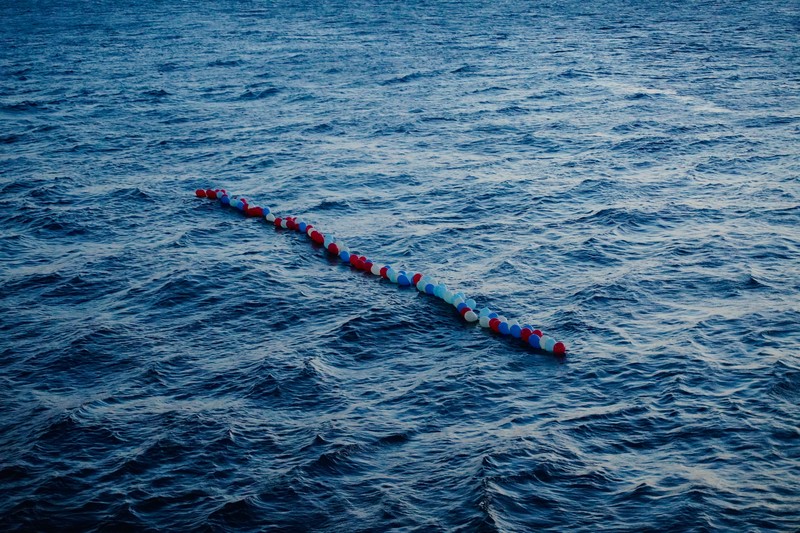
Bungee float lines have an elastic core that stretches under pressure. This absorbs shock when a fish runs, reducing the risk of tearing the spear out or damaging the float. Non-bungee lines are stronger and easier to coil but transmit all force directly. For most general hunting, a bungee line in the 12–15 meter range is ideal. For reef hunting where tangles are a concern, a shorter non-bungee line works better.
Reel Pros and Cons
A reel mounted on the gun lets you fight the fish directly without needing a float. This is useful for hunting in heavy current where a float would drag you around. The downside is that reels can tangle easily, especially if the line is not laid properly. Beginners should start with a float line. Add a reel after you have some experience and feel comfortable managing line while fighting a fish.
Float and Flag Regulations
Check your state or local laws. Most require a dive flag of at least 12 by 14 inches flown from a float that is clearly visible from 360 degrees. Some require a specific flag shape, not just any red and white flag. A few states mandate that you carry a knife as well. Know the rules before you head out.
Weight Belts and Trim: Balancing for Breath-Hold Diving
Rubber vs. Nylon Belts
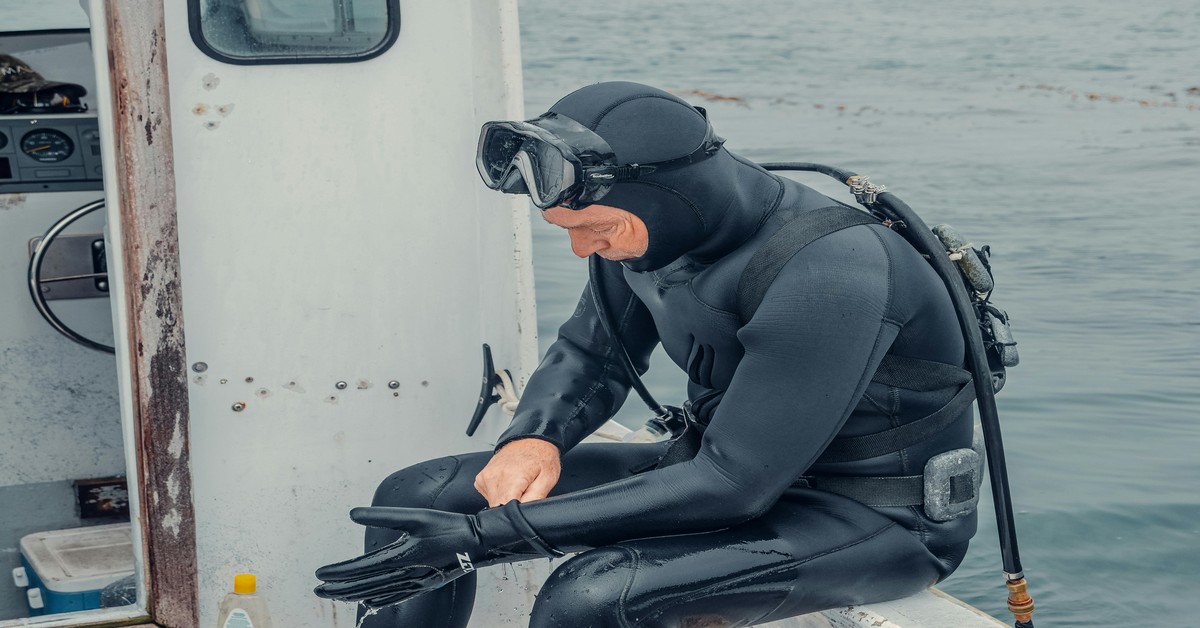
Rubber weight belts stretch to fit snugly and do not slip. They are the standard for spearfishing. Nylon belts are cheaper but can loosen underwater, which creates a safety hazard if the belt slides over your hips. Always use a quick-release buckle and practice releasing it until it is muscle memory. Shop weight belts →
Weight Distribution
Place weights evenly around your waist. Some hunters prefer a small amount of weight on a belt worn over a weight vest for better trim. Test your buoyancy at 10 meters. You should be neutrally buoyant at that depth—neither sinking nor floating. If you float up easily, add a pound. If you sink without effort, remove a pound. Proper trim saves energy and makes finning feel effortless.
Positive vs. Negative Buoyancy
Being slightly negative at the surface helps you drop faster. Being slightly positive at depth helps you ascend with less effort. You want neutral buoyancy at your hunting depth. Adjust your weight until you can hang motionless at that depth without rising or falling.
Dive Computers and Watches: Safety Below the Surface
Watch vs. Dedicated Computer
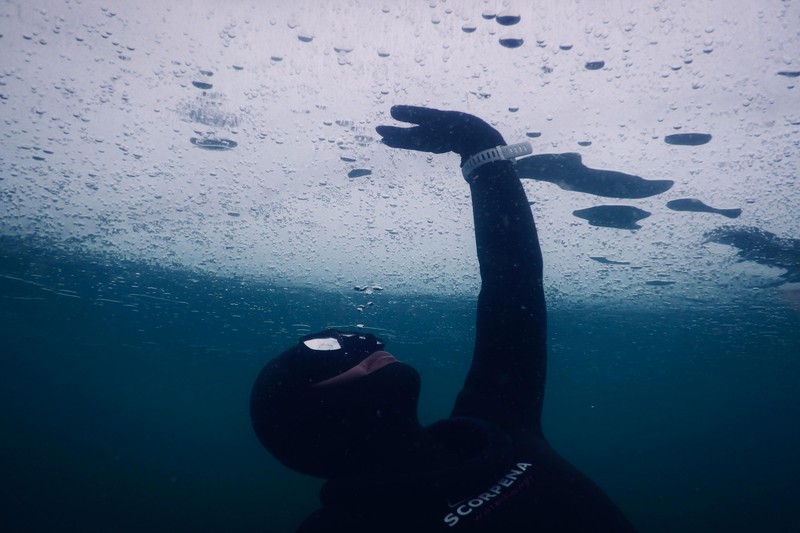
Dive watches like the Garmin Descent MK2i or Suunto D5 offer spearfishing modes that track depth, dive time, and surface intervals. Watch-style computers are convenient for daily wear and basic tracking. Dedicated dive computers like the Oceanic F-11 or Shearwater Teric offer better readability underwater and more detailed logging. For most spearfishers, a watch-style computer is enough. Spend your money on a good one that has a rechargeable battery and a clear display in low light. See dive computers →
Spearfishing Mode Features
Look for a computer with a freediving or spearfishing mode. This mode uses a fast-sampling algorithm that updates depth every second instead of every five seconds. It also tracks surface intervals and logs maximum depth accurately. A backlit display is essential for low-visibility water or dawn/dusk hunting.
Knives and Cutting Tools: When You Need to Cut Fast
Titanium vs. Stainless Steel
Titanium knives are lighter and completely rust-proof. Stainless steel knives are heavier but hold an edge better. For spearfishing, titanium is preferred because saltwater corrodes steel quickly, especially around the hinge and locking mechanism. Keep your knife sharp—a dull blade is useless in an emergency.
Blunt Tip vs. Pointed
A blunt tip is safer for cutting line without stabbing yourself or your catch. A pointed tip is better for prying abalone or urchins off rocks. Most spearfishing knives have a blunt tip with a serrated edge for cutting line and a straight edge for general cutting. The choice is personal, but beginners should lean toward blunt tips for safety. Browse dive knives →
Sheath Placement
Mount your knife on your lower leg or forearm. Leg mount keeps it out of the way but difficult to reach one-handed. Arm mount is easier to access but can get caught in kelp. Test both positions before committing. Some hunters carry a line cutter on a lanyard around their neck for quick access to cutting shooting line or fishing line.
Spearfishing Gear for Beginners vs. Advanced Hunters
| Gear Category | Beginner | Intermediate | Advanced |
|---|---|---|---|
| Wetsuit | 3–5mm nylon-lined, basic camo | 5mm open-cell, regional camo | Custom 3–7mm open-cell, seam-sealed |
| Mask | Low-volume frameless, $50–80 | Frameless with tinted lens, $80–150 | Custom glass, high-vis skirt |
| Fins | Plastic long-blade, $60–100 | Fiberglass, $200–350 | Carbon fiber, custom foot pocket |
| Speargun | 90cm rail gun, $150–250 | 100–110cm wood stock, $400–600 | 120–130cm carbon, roller gun |
| Float line | 12m bungee with small float, $30 | 15m bungee with large float, $50 | Reel and breakaway setup |
| Weight belt | Rubber belt with lead, $20 | Rubber belt with coated weights | Trim vest with pocket weights |
| Dive computer | None or simple watch, $0–100 | Freedive watch, $200–400 | Garmin Descent or Shearwater |
| Knife | Titanium blunt tip, $30–50 | Titanium with line cutter, $60 | Line cutter necklace and leg knife |
Frequently Asked Questions About Spearfishing Gear
What is the best all-around speargun length?
A 90cm to 100cm band gun works for most conditions. If you mostly hunt reef fish in clear water, 90cm is enough. If you hunt pelagics or shoot in deeper open water, step up to 110cm. For caves, kelp, or murky water, a 70cm pneumatic or 80cm band gun is better.
Can I use a scuba wetsuit for spearfishing?
Yes, but it will not perform as well as a spearfishing-specific suit. Scuba suits are nylon-lined, which means they are less warm and more buoyant. They also lack camo and are usually thicker than needed for spearfishing. You can get by in warm water, but for serious hunting, a dedicated spearfishing wetsuit is worth the investment.
How often should you replace speargun bands?
Replace bands every 12 to 18 months if you dive regularly. Check them before each dive for cracks, dry rot, or uneven stretch. A band that snaps while loading can injure your hand or face. If the bands feel stiff or show small cracks, replace them immediately.
Do I need a dive flag?
Check your local laws. In many states, a dive flag is legally required when spearfishing. Even where it is not required, it is a critical safety tool. Boat traffic rarely sees a diver on the surface. A bright float and flag make you visible from a quarter mile away. Always use one.
Final Thoughts: Investing in the Right Gear for Your Spearfishing Journey
Building a spearfishing kit is a process. Start with the essentials—a proper wetsuit that fits, a low-volume mask, comfortable fins, and a reliable gun. Fit and safety come first. Performance upgrades like carbon fiber fins, a dive computer, and premium camo can come later as you gain experience and learn what matters for your hunting style. Do not buy everything at once. Buy the best you can afford for each category, and you will never regret it. If you want to compare specific brands or models side by side, check out our gear comparison guides for real-world recommendations based on budget, water temperature, and target species. The deep is waiting.
Ready to build your kit? Start with our beginner speargun guide and work through each category. Or browse complete spearfishing starter kits if you want to get in the water fast.