Spearfishing Emergency Kits: What to Carry in Your Dive Boat
Introduction
If you spearfish from a boat, your emergency gear isn’t an afterthought. It lives on the boat, not in your car or garage. When you’re miles offshore, bleeding from a fin cut or dealing with a broken gun, a generic first aid kit from the drugstore won’t cut it. This article covers what should go into a spearfishing emergency kit for your dive boat, based on real-world experience and the specific risks we face on the water. I’m not talking about hypotheticals. I’m talking about gear that has saved dives and, in some cases, prevented a bad day from getting worse. We’ll cover medical supplies, gear repair, communication tools, and organizational strategies, all centered around the practical need for spearfishing emergency gear that actually works when you need it.
After a buddy sliced his hand open on coral 10 miles offshore, I never leave the dock without a proper emergency kit.
Why a Dedicated Emergency Kit Matters for Spearos
A standard first aid kit is a starting point, but it’s not enough for spearfishing. The risks are different. We deal with sharp fish spines, gill plates, and fin cuts that bleed impressively. We also handle knives, spear tips, and heavy equipment in a moving boat. Entanglement in fishing line, kelp, or your own float line is a real threat, especially when you’re alone or the current picks up. And you’re often far from immediate medical help. A generic kit might have a few band-aids and aspirin, but it won’t have trauma shears to cut through a wetsuit, a tourniquet for a major bleed, or a clotting agent for a puncture wound from a spikey fish. A dedicated kit tailored to spearfishing is not optional. It’s a core piece of safety equipment. Experienced spearos know that preparation is the difference between a manageable incident and a full-blown emergency. The goal is to treat wounds, fix gear, and communicate for help without having to search through a jumbled bag of old receipts and sunscreen.
The Core First Aid Layer: Stop the Bleed and Treat Wounds
The first priority in any spearfishing emergency is bleeding control. You need items that can handle moderate to severe bleeding, not just small cuts. Here is what your kit must include:
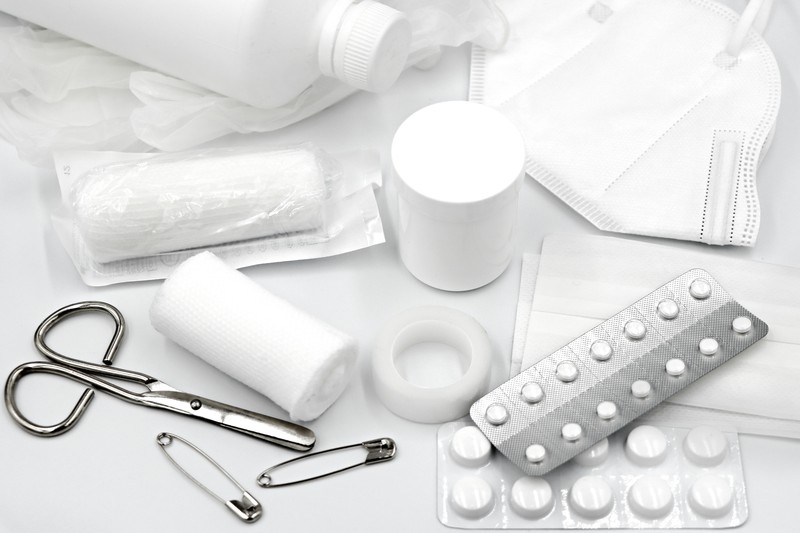
- Trauma shears: Don’t bring scissors. Bring shears that can cut through a wetsuit, bootie, or glove quickly. You can’t treat a wound you can’t see. A practical option is a pair of trauma shears that are strong enough for thick material.
- Sterile gauze and pressure bandages: Large abdominal pads (4×4 or 6×9) and a pressure bandage like an Israeli bandage or a simple ACE wrap with gauze. These are for packing wounds and applying direct pressure.
- Clotting agent: A hemostatic agent like QuickClot or Celox is a must. It comes in gauze or granule form. If you get a deep puncture from a fish spine or a fin, packing the wound with this can stop bleeding that a bandage alone won’t. I keep a pack of QuikClot gauze in my kit. If you’re looking for reliable options, hemostatic gauze is a solid choice to include in your medical pouch.
- Antiseptic wipes and solution: Chlorhexidine or iodine wipes are better than alcohol for cleaning wounds. Alcohol is harsh and can damage tissue. For a simple cut, clean, dry, and cover.
- Butterfly strips and skin glue: For closing clean lacerations. Super glue (or medical-grade skin glue) works well for small, straight cuts. Butterfly strips are good for larger wounds that need tension taken off.
- Non-latex gloves: Bloodborne pathogens are a real concern. A box of nitrile gloves is cheap and essential. You need to be able to help someone without exposing yourself.
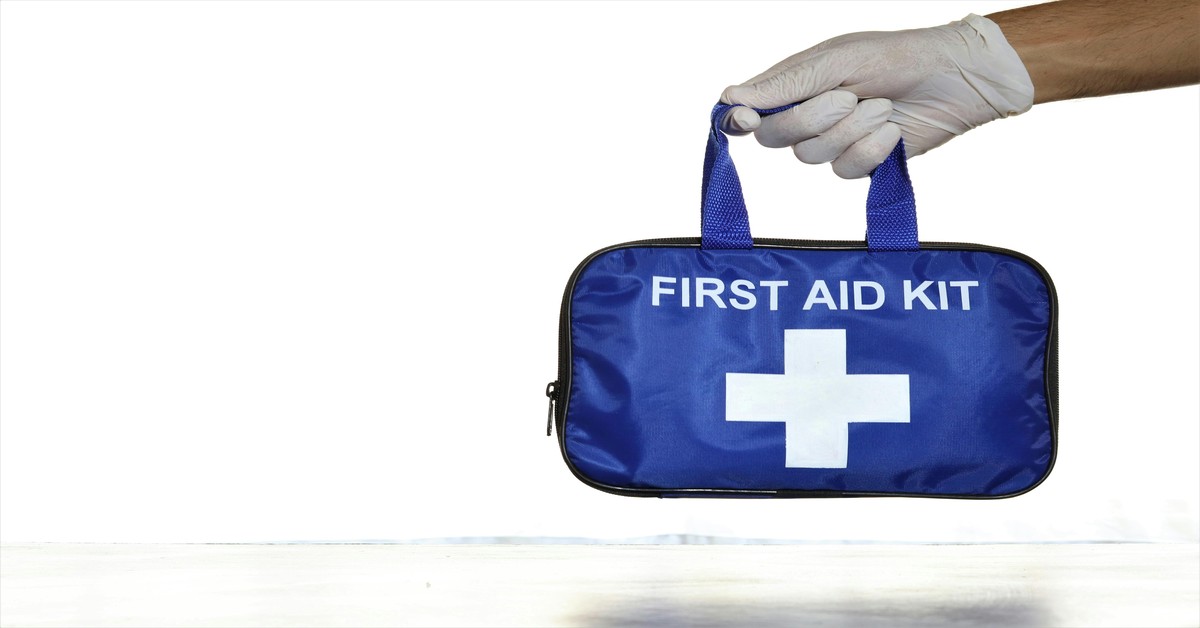
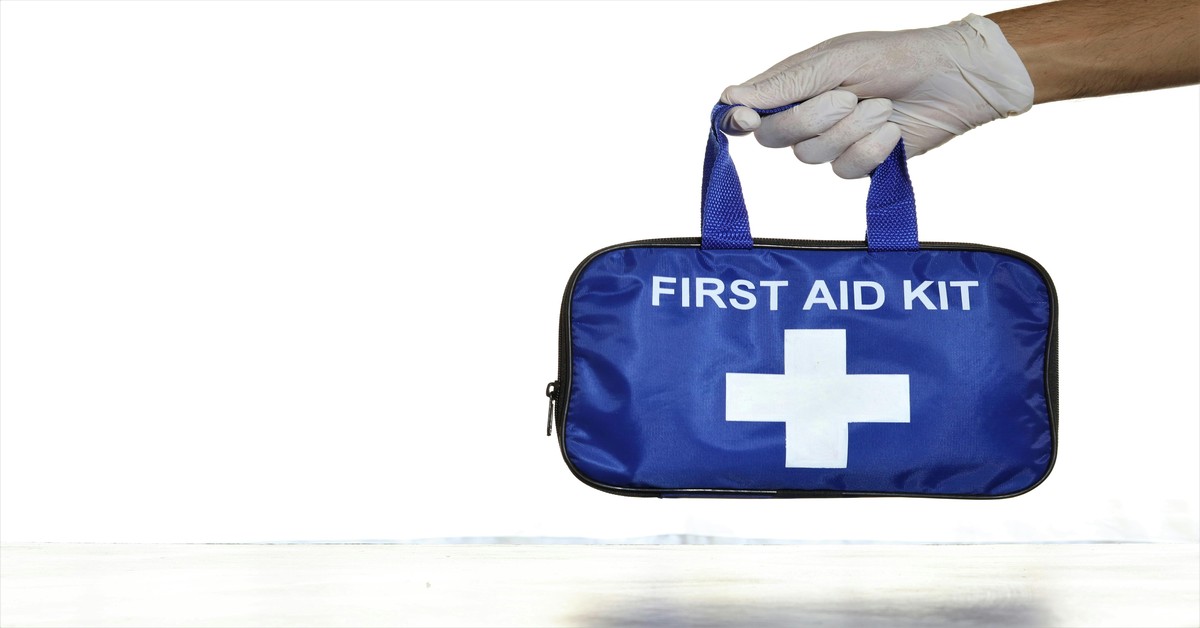
You can buy a pre-built trauma kit that includes these items, often in a compact pouch. That’s a fine starting point. Just make sure you know what’s inside and how to use it. Don’t just buy it and throw it in a drawer.
Spearfishing-Specific Medical Kit Add-Ons
Beyond trauma, there are medical issues that come up specifically when spearfishing. Add these to your kit for a more complete setup:
- Antihistamines (diphenhydramine or cetirizine): Allergic reactions to stings, jellyfish, or even certain fish can happen. A severe reaction can cause swelling and breathing difficulty. Keep some in your kit.
- Pain relievers (ibuprofen or acetaminophen): For headaches, muscle aches, or post-cut pain. Ibuprofen also reduces inflammation.
- Seasickness medication: If you get seasick, you’re useless. Keep meclizine or Dramamine on hand. A seasick spearo is a danger to themselves and others.
- Eye wash: Saltwater, sunscreen, or a stray piece of debris can get in your eyes. A small bottle of sterile saline is helpful.
- Burn cream: For sunburn or minor engine burns. A tube of aloe vera with lidocaine is practical.
- Tourniquet: A CAT tourniquet or SOF-T tourniquet is for severe extremity bleeding only. Don’t use it for minor cuts. But if you have a major arterial bleed from a fish spine or a knife accident, it’s a lifesaver. Know how to apply it.
Keep these items in a small, clearly labeled medical pouch. I use a small dry bag with a red cross on it.
Gear Repair and Backup: The Save-the-Dive Kit
A broken gun or fin strap can end your day early. A small gear repair kit can get you back in the water quickly. Include these items:
- Spare rubber bands (power bands): These are the most common failure point on a speargun. Carry a set of bands appropriate for your gun size. Pre-stretch them or keep them in a bag with talc. A good set of speargun power bands is a worthwhile backup.
- Monofilament line (50-100 lb test): For re-rigging a spear shaft, replacing a broken shooting line, or fixing a float line connection. A small spool fits in a pocket.
- Zip ties (various sizes): Incredibly useful. They can temporarily secure a broken gun mechanism, fasten a loose strap, or lash a float to the boat. A dozen zip ties weigh nothing.
- Electrical tape: For sealing leaks in your gun handle, wrapping a broken rod, or securing a temporary fix. It’s waterproof and versatile.
- Multi-tool with pliers: A Leatherman or similar tool. Pliers cut wire, crimp connections, and tighten screws. The file is also useful for sharpening a dull tip.
- Small file for sharpening tips: A diamond file or a small ceramic stone keeps your spear tips and knife edges sharp. A dull tip is dangerous because it requires more force, increasing the chance of an accident.
- Super glue or epoxy: For repairing cracked plastic handles or fixing a broken fin strap buckle. A small tube of super glue or a two-part epoxy stick is ideal.
These are the items that save a dive. I’ve had a power band snap at depth and a zip tie got me back in the water in minutes. Don’t leave the dock without this kit.
Knife, Float Line, and Entanglement Tools
Entanglement is a real risk when spearfishing, especially around kelp, fishing line, or underwater structure. You must have multiple cutting tools, and they must be accessible.
- Line cutter on a lanyard: A small, sharp line cutter that you keep attached to your buoy or float line. It’s the fastest way to cut fishing line or monofilament. An EMT shears or a small hook knife works well.
- Sharp dive knife: A proper dive knife, not a cheap folding knife. It should be corrosion-resistant (titanium or H1 steel) and have a sharp point and a serrated edge. Keep it on your leg or mounted on your buoy. You need to be able to reach it with either hand. A dive knife with titanium construction is a solid investment for durability.
- Backup folding knife: A cheap but sharp folding knife kept in your gear bag or a cockpit pocket. It’s for cutting float lines or doing quick repairs on the boat.
- Spare float line: A length of 30-50 feet of float line can be a lifesaver if your main line gets tangled or cut. It’s also useful for tying off gear to the boat.
The most important thing is that you can access your knife or line cutter quickly, even if you’re panicked. Practice reaching for it. A knife in a gear bag on the other side of the boat is useless when you’re tangled underwater.
Signaling and Emergency Communication: Getting Help
If something goes wrong, calling for help is your priority. A cell phone in a waterproof case is a good backup, but it’s not reliable offshore. You need dedicated communication devices.
- VHF radio (fixed or handheld): A fixed-mount VHF is the best option for range and reliability. A handheld VHF is a good backup. Channel 16 is the international distress frequency. Learn how to broadcast a mayday call. A handheld VHF with a spare battery is a solid choice.
- Personal locator beacon (PLB) or EPIRB: A PLB (like the Ocean Signal RescueME PLB1 or the ACR ResQLink) is a small device you activate when you’re in serious trouble. It sends a distress signal to search and rescue satellites with your GPS coordinates. It’s more reliable than a VHF for long-range or if you’re alone. An EPIRB is larger and typically mounted on the boat. For a dive boat, a PLB is the most practical personal device.
- Satellite communicator: A device like the Garmin inReach Mini allows two-way text messaging via satellite. It’s not a primary distress device, but it’s excellent for staying in touch and sending a help message. It requires a subscription.
- Signaling mirror and whistle: Simple, lightweight, and effective. A mirror can be seen from a surprising distance on a clear day. A whistle is louder than shouting and takes less energy.
- Dive light or strobe: A waterproof strobe light or a powerful dive light is essential for signaling at night or in low visibility. It can also help mark your position.
Which one should you choose? A PLB is the best for absolute safety. A VHF is excellent for communicating with nearby boats. A satellite communicator is best for staying in touch. For most spearfishing trips, a handheld VHF and a PLB provide excellent coverage.
Float Plan and Boat Safety Essentials
These are the less glamorous but absolutely critical items. They don’t help you in an immediate medical emergency, but they prevent you from becoming one.
- Written float plan: Leave a copy with someone on shore. It should include your boat name, departure time, destination, intended dive sites, estimated return time, and the number of people on board. If you don’t return, they know where to start looking. I text mine to a friend and leave a paper copy in the truck.
- Fire extinguisher: Every boat should have a USCG-approved fire extinguisher. Check the gauge monthly. A small engine fire can escalate quickly.
- Throwable PFD (Type IV): A throwable ring or cushion. It’s required by law on most boats, but also useful if someone falls overboard without a wetsuit.
- Air horn: A can of compressed air horn for signaling to other boats or for attracting attention. It’s loud and works in any weather.
- Flares (handheld or aerial): For nighttime emergencies. Handheld flares are good for marking your location. Aerial flares can be seen from miles away. Check expiration dates.
These items are essential for any boat-based spearfishing trip. They are the safety net that catches you when everything else goes wrong.
Hydration, Sun Protection, and Thermal Management
Dehydration, sun exposure, and cold can become emergencies in their own right. They impair judgment and lead to bad decisions.
- Extra water: You can drink a lot in a day of diving. Bring more than you think you need. A gallon per person is a minimum.
- Electrolyte packets: Salt loss from sweating and breathing compressed air is real. A few packets of electrolyte powder (like Liquid IV or DripDrop) are lightweight and effective.
- Reef-safe sunscreen: Mineral-based sunscreen (zinc or titanium dioxide) is better for you and the marine environment. Don’t use oxybenzone. Apply it before you get in the water.
- Sun shirt or rash guard: A long-sleeve sun shirt (UPF 50) is better than sunscreen alone. It stays on, doesn’t wash off, and protects your skin from the sun and from abrasion.
- Dry bag for warm clothes: A dry bag with a warm hoodie, a beanie, and a towel. After a long dive, you get cold fast. Being cold reduces your mental acuity and increases your risk of hypothermia. I keep a full change of clothes in a dry bag. A waterproof dry bag is a practical choice for storing these essentials.
- Towel: You’ll be wet. A quick-dry towel is better than a cotton one.
These are items you can buy at any outdoor store. Don’t overlook them. A dehydrated, sunburned spearo is a liability.
Organizing Your Kit: Dry Bags, Rolls, and Tackle Boxes
Organization is key. If you can’t find what you need, it’s as if you didn’t bring it. Here’s how to organize your spearfishing emergency gear:
- Waterproof dry bag: A roll-top dry bag (10-20 liters) is the best option for most gear. It keeps everything dry, is tough, and can be stowed easily. I use a bright orange one so it’s easy to spot.
- Hard case (Pelican-style): If you want ultimate protection for sensitive items like a PLB or a VHF radio, a small hard case is great. It’s heavier and bulkier but offers the best crush and water protection.
- Mesh bag: For gear that doesn’t need to be bone dry (like spare bands or zip ties), a mesh bag allows drainage and air circulation. It’s good for storing items that might be wet.
- Organizer pouches: Inside your main bag, use small pouches or zippered bags to separate categories: one for medical, one for repair, one for communications, one for personal items. This way, you can grab the medical pouch without unpacking the whole bag.
- Stow location: Keep the kit in a dedicated locker or under a seat. Make sure everyone on the boat knows where it is. Don’t bury it under dive gear or coolers.
A dry bag with pouches is the most practical for most spearos. It’s lightweight, portable, and keeps things organized. A hard case is overkill unless you’re carrying expensive electronics.
Common Mistakes Spearos Make With Emergency Gear
Even with a good kit, mistakes happen. Here are the most common ones I see, based on personal experience and conversations with other spearos:
- Not checking expiration dates: Sunscreen expires. Medications expire. Clotting agents have a shelf life. Check your kit every season and replace anything that’s out of date.
- Storing gear wet: If you pack up a wet mask, fin, or medical pouch, you’re inviting mildew and rust. Dry everything before putting it back in the kit. A wet bandage is useless.
- Only having one knife: You need a primary knife on your person and a backup in the kit. One knife is not enough.
- Forgetting spare gloves: If you cut your glove on a fish spine or tear it on a line, you need a backup. Spare gloves are cheap and prevent infection.
- Not knowing how to use a PLB: A PLB is simple, but you should practice activating it. Don’t wait until an emergency to figure it out. Know how to deploy it and what happens when you do.
- Leaving the kit on the dock: It happens. Bring a checklist and check the kit before you leave. A kit sitting in the truck is useless.
- Buying a generic kit and calling it done: A generic first aid kit is a starting point, but it’s not a spearfishing kit. You must customize it. A kit that has 50 band-aids and no trauma shears is not helpful.
Avoid these mistakes and you’ll be ahead of most people. A little intentionality goes a long way.
Decision Guide: Build vs. Buy Your Emergency Kit
You have two options: buy a pre-made kit or build your own. Both work, but they suit different situations.
Buying a pre-made kit: The biggest advantage is convenience. A good trauma kit from a company like North American Rescue or Adventure Medical Kits comes packed with high-quality items in a compact package. It’s curated by people who know what they’re doing. It saves time and ensures you have the right supplies. This is a good choice for new spearfishers or for those who don’t want to research each individual item. The downside is that you may end up with items you don’t need or missing items you do. You’ll still need to add spearfishing-specific items like antihistamines, seasickness meds, and gear repair supplies.
Building your own kit: The advantage is complete customization. You know exactly what’s in your kit and where everything is. You can tailor it to your specific gear and your specific risks. It’s often cheaper in the long run because you only buy what you need. The downside is the time and effort required to research and source individual items. It’s better for experienced spearos who know exactly what they need.
My recommendation: Buy a high-quality trauma kit as a foundation. Then add your spearfishing-specific items (antihistamines, repair kit, communication devices, etc.). This gives you the best of both worlds: a solid base and a customized result.
Final Thoughts: Don’t Leave the Dock Without It
A dedicated spearfishing emergency kit is not a luxury. It’s a basic part of safety that every boating spearfisher needs. It doesn’t have to be expensive or complicated, but it must be complete, organized, and checked regularly. The ability to stop a bleed, fix a broken gun, or call for help is not something you want to figure out in the moment. Preparation is the edge that keeps you safe. Take the time to build your kit, know where everything is, and make sure everyone on your boat knows how to use it. It’s the smartest investment you can make in your safety.