Shallow Water Blackout: Prevention and Awareness for Spearing
What Is Shallow Water Blackout?
This type of blackout isn’t caused by drowning or equipment failure. It’s a physiological event that happens when your brain runs out of oxygen after a breath-hold dive. The mechanism is simple: you dive, your body consumes oxygen, and as you ascend, the partial pressure of oxygen in your lungs drops quickly. If it falls below the threshold your brain needs to stay conscious, you black out. The scary part is that it typically happens within meters of the surface, often when you think you’re almost safe. Understanding shallow water blackout spearfishing isn’t optional; it’s a core safety requirement. You need to know the mechanics, the signs, and the protocols because this condition can kill experienced divers who let their guard down.

I’ve had two close calls with shallow water blackout, and they changed everything about how I approach safety.
Why Spearfishers Are at Higher Risk
Spearfishing isn’t a leisurely underwater walk. It’s a high-intensity, pursuit-heavy activity. You’re swimming hard, chasing fish, holding your breath longer than you might in a training session, and often descending multiple times in quick succession. That combination is a perfect storm. Unlike underwater photographers or recreational divers, you’re motivated by the hunt. That excitement can override your judgment. You’ll push for one more look, one more drop, just to get that fish. And when you’re focused on a target, you naturally hold your breath while swimming to stay quieter. That breath-hold swimming consumes oxygen before your dive even starts. Another factor is that many spearfishers dive alone, especially from shore. If you black out alone, the outcome is almost always fatal. Even when diving with a buddy, if you’re out of position or they’re not paying attention, the risk is just as high.
Early Warning Signs You Should Never Ignore
Your body gives you signals before a blackout. The problem is that they’re subtle and easy to dismiss when you’re mid-hunt. Tunnel vision is a big one. If your peripheral vision starts to narrow, that’s your brain getting less oxygen. Tingling in your fingers or lips is another sign. Confusion or a sense of disconnect from your body is also a red flag. You might feel a sudden urge to breathe that feels off, or your coordination might slip. Some divers describe a feeling of euphoria or relaxation that seems different from normal. These signs are your brain saying it’s done. If you feel any of them, abort the dive immediately. Don’t try to fight through it. Don’t think you have another 10 seconds. Surface, signal to your buddy, and take a full recovery period. Knowing these signs by heart becomes a survival tool.
The Blackout Zone: Why It Happens at the Surface
The term “shallow water” is key. You don’t black out at 30 meters. You black out in the last 10 feet of ascent, or right at the surface. The physics behind this is straightforward. During your dive, your body uses oxygen. As you descend, the pressure compresses the air in your lungs. This keeps the partial pressure of oxygen high enough to keep you conscious. But as you ascend, the pressure drops, and the oxygen in your lungs expands and dilutes. If your oxygen levels are already critically low, that dilution at the surface can tip you over the edge. That’s why you hear stories of divers surfacing, taking a breath, and then going limp. They thought they were safe, but their brain had already crossed the line. Understanding this zone is why safety protocols like proper surface intervals and monitoring dive times exist. A dive computer with a freedive mode can help you track these intervals precisely.
Prevention Starts Before You Get in the Water
Good dive safety isn’t something you think about when you’re already in the water. It starts on land. Hydration is a major factor. Dehydration increases your heart rate and makes your body work harder, which consumes oxygen faster. Drink water throughout the day before you dive, but avoid caffeine and alcohol, which are diuretics. Another pre-dive mistake is doing breathing exercises right before you enter the water. Some divers think that taking a series of deep breaths will give them more air. What it actually does is lower your CO2 levels to the point where you don’t feel the urge to breathe until it’s too late. This is a direct highway to a blackout. Set up your buddy system before you even put your fins on. Decide who will be watching whom and how you’ll communicate. A lot of close calls happen because people skipped this step. Also, plan your session. Decide how many dives you’re going to do and stick to a surface interval plan. If you have a dive watch, make sure it’s charged and set up for freedive mode. This kind of planning might feel like overkill, but it’s not. It’s the foundation of safe diving.
Dive Protocols That Reduce Risk
Once you’re in the water, you need to follow a set of protocols. The most important one is the surface interval. A common rule is to take twice the time of your dive as recovery. If you were down for a minute, take two minutes at the surface. But this isn’t a blanket rule. If you’re doing a deep dive or you feel tired, triple the recovery. Never hyperventilate before a dive. Breathe normally, then take one last full breath without force. Another essential rule is the one-third rule. This applies to your energy and your oxygen. Use one-third of your air to descend, one-third to hunt, and keep one-third for your ascent and safety. This is hard to follow in the heat of a hunt, which is why training and discipline matter. A dive watch or computer helps here. Set it to show your dive time and surface interval. Some will even vibrate when you exceed a safe time. Use these tools as a hard limit, not a suggestion. If the watch says it’s time to surface, you surface.
The Buddy System Done Right
Having a buddy is not enough. You need a buddy who is actively watching. Many spearfishing “buddy systems” are two people diving together but independently, each focused on their own hunt. That’s not a buddy system. That’s two solo divers in the same area. A real buddy system involves one diver watching from the surface while the other dives. The watcher’s job is to track the dive, look for the diver’s descent, and monitor how long they’re under. You need clear communication before the dive. Agree on hand signals for “I’m okay,” “One more minute,” and “I need to come up.” If you don’t have signals, you’re relying on guesswork. When a buddy surfaces and seems disoriented, you act. Don’t wait for them to say something. If they’re struggling to get their snorkel in their mouth or they’re bobbing awkwardly, you assume they’re in trouble. Grab them, provide flotation, and check their awareness. A buddy who isn’t watching is not a buddy. It’s a liability. If you’re the watcher, you are on duty the entire time your partner is submerged.
How to Train Your Body and Mind for Safer Diving
Good technique and discipline come from training, not just time in the water. Breath-hold training is the most direct way to improve your safety. You can do dry training at home with CO2 tolerance tables. These tables force you to hold your breath for increasing durations while cutting the recovery period short. This trains your body to tolerate higher levels of carbon dioxide without panicking. But you must do these on dry land, not in water. Never practice endurance breath-holding in a pool or ocean without a trained partner. Wet training is important too. Practice static apnea in a controlled pool environment, again with a partner who monitors you. what matters is to learn what your limits feel like in a safe setting so you recognize them during a real dive. Relaxation is another piece of the puzzle. Tension increases your heart rate and oxygen consumption. Practice progressive muscle relaxation and meditation. There are freediving courses that teach these techniques. A certification course from a recognized agency like FII, PFI, or AIDA is a worthwhile investment. It’s not just about the certification—it’s about learning the science and signals from professionals who have seen accidents. Books like “The Art of Freediving” or training guides on CO2 tables are also valuable resources.

What to Do if You Witness a Blackout
Your response in the first 30 seconds determines the outcome. If you see a diver lose consciousness, act immediately. Your first job is to prevent secondary drowning. Get the diver’s head above water. Provide buoyancy. Do not remove their mask or weight belt until they are secured and breathing. If they are not breathing, start rescue breaths immediately. Tilt the head back, pinch the nose, and give two slow breaths. Then add chest compressions if there’s no pulse. Do not stop until emergency services arrive or the diver starts breathing. A common mistake is to panic and try to drag the diver to shore while leaving their airway underwater. This wastes critical time. If you’re in deep water, use your float or dive board for flotation. Another mistake is removing their gear prematurely. The mask and weight belt can be left on until you have them stable. The priority is breathing and buoyancy. If you are the only other diver, you are their only chance. Stay calm, follow the steps, and do not give up.
Gear That Can Help You Stay Safe
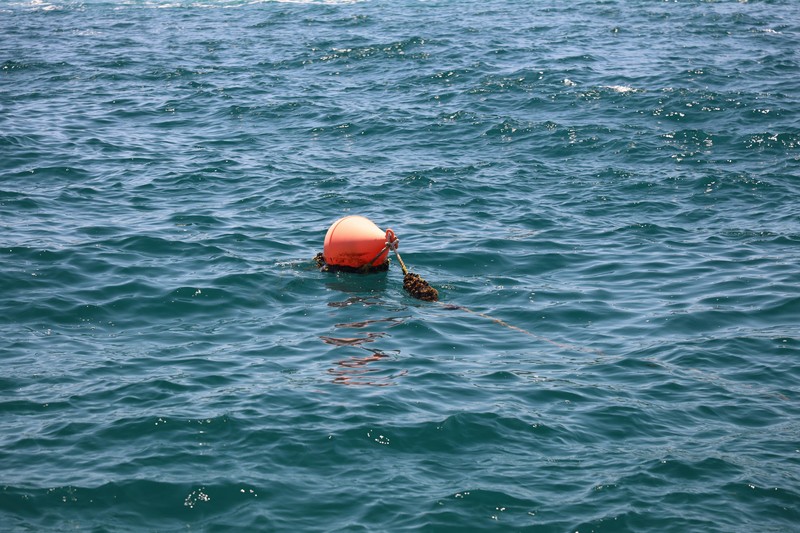
There are specific pieces of gear that directly reduce blackout risk. A dive computer with a freedive mode is at the top of the list. It tracks your dive time, surface interval, and can even log multiple dives to show cumulative fatigue. Some models vibrate as an alarm, which is far more reliable than checking your watch. A safety float with a prominent orange or red dive flag is essential. It marks your position for boat traffic and gives you a buoyant object to hold onto during recovery. A lanyard connecting your float to your gun or belt can help, but make sure it doesn’t become a snag hazard. Mouthpieces with low breathing resistance are another consideration. Some spearfishing mouthpieces designed for high flow reduce the effort to recover after a dive. Every bit of oxygen conservation helps. Also consider a brightly colored dive flag that is visible from a distance. The more visible you are, the less likely a boat or jet ski will run you over while you’re recovering. None of these items replace good protocol, but they do give you a margin of safety that could save your life.
Common Mistakes That Increase Blackout Risk
Diving solo is the most obvious mistake, but many experienced spearfishers do it anyway. The truth is, even if you’re an expert, a blackout can happen to you. If it does and you’re alone, you die. It’s that simple. Another mistake is competitive diving. Trying to out-dive your buddy or beat a personal record is a recipe for disaster. When you’re competing, you’re pushing past your safe limits. Overweighting is another common error. Too much weight makes you work harder to ascend, consuming oxygen faster. It also makes it easier to stay on the bottom longer than you should. Ignoring fatigue is a huge one. The third dive of the day is always riskier than the first. Your body is tired, your oxygen reserves are lower, and your judgment is worse. When you feel tired, stop diving. A lot of blackouts happen on what should have been the last dive of the session. Not a heroic last attempt to land a fish—just a routine dive at the end of a long day. That’s the moment when your brain’s safety margin is gone.
Why Most Safety Advice Is Wrong (and What Works)
There’s a lot of bad information floating around. One common myth is that hyperventilating before a dive gives you more air. As we covered, it lowers your CO2 levels, which delays your urge to breathe until you’re at high risk of blackout. Another myth is that you can “feel” when you’re about to black out. Many divers report no warning at all. They just black out. Relying on feeling is a death sentence. Another piece of bad advice is that you can equalize the blackout risk by being in good shape. Physical fitness helps with recovery and breath-holding but does not prevent the physiological mechanism of a blackout. Fit people die from this too. What does work is strict adherence to protocols: proper surface intervals, no hyperventilation, active buddy watching, and using a dive computer. These are not optional rules for beginners. They are the only way to manage a risk that cannot be out-swum or out-willed. If you hear someone say they’ve never had a problem, that’s survivorship bias, not skill. Train properly, follow rules, and respect the water. That’s what works.
Final Thoughts: Building a Safety Mindset
Safety in spearfishing is not a checklist you complete before a dive. It’s a mindset that informs every decision you make in the water. It’s understanding that every dive has a risk profile and that you are responsible for managing it. The tragedy of shallow water blackout is that it’s often preventable. It doesn’t happen because the ocean is dangerous. It happens because a diver ignored a sign, skipped a protocol, or dove alone. The good news is that you can do something about it today. Learn the signs. Train your body. Commit to a buddy system that actually works. And never stop asking yourself, “Is this dive worth the risk?” The answer should always be no if you’re not completely prepared. Ready to spear smarter? Start by checking your gear and planning your next dive with a buddy. That’s where safety begins.