Mediterranean Spearfishing: A Guide to Italian and Greek Waters
Introduction
The Mediterranean is on a lot of spearos’ bucket lists, and for good reasons. The water clarity, the structure, and the variety of species like sea bass, dentex, and grouper make it a unique place to dive. But planning a trip here isn’t as simple as grabbing a flight and jumping in. Regulations vary between countries, getting to the best spots takes local knowledge, and conditions can change fast. This guide is for experienced spearos who already know how to dive and hunt safely. If you’re planning a trip to Italy or Greece, this covers the specific logistics, legal stuff, and practical tradeoffs you should know before you go.
Greek and Italian waters demand a completely different approach than the tropics. I learned that over three seasons.
Why Spearfish the Mediterranean? Key Considerations
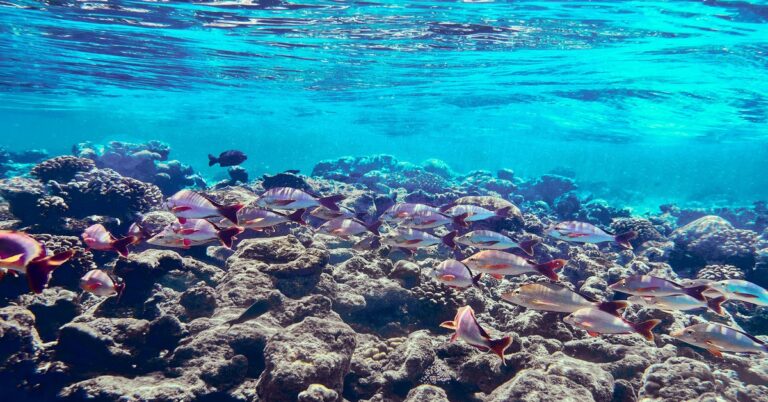
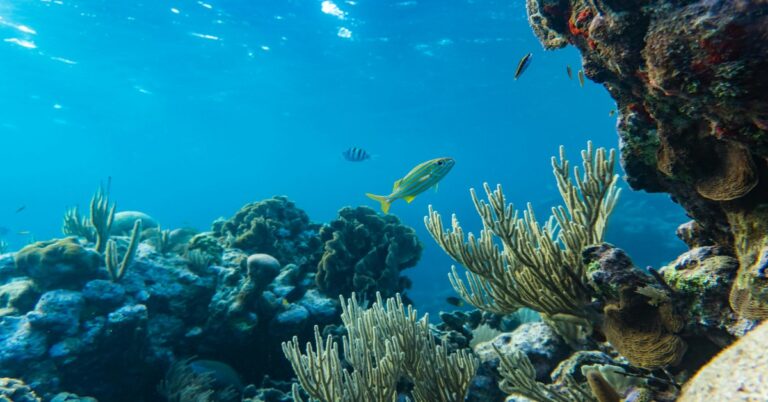
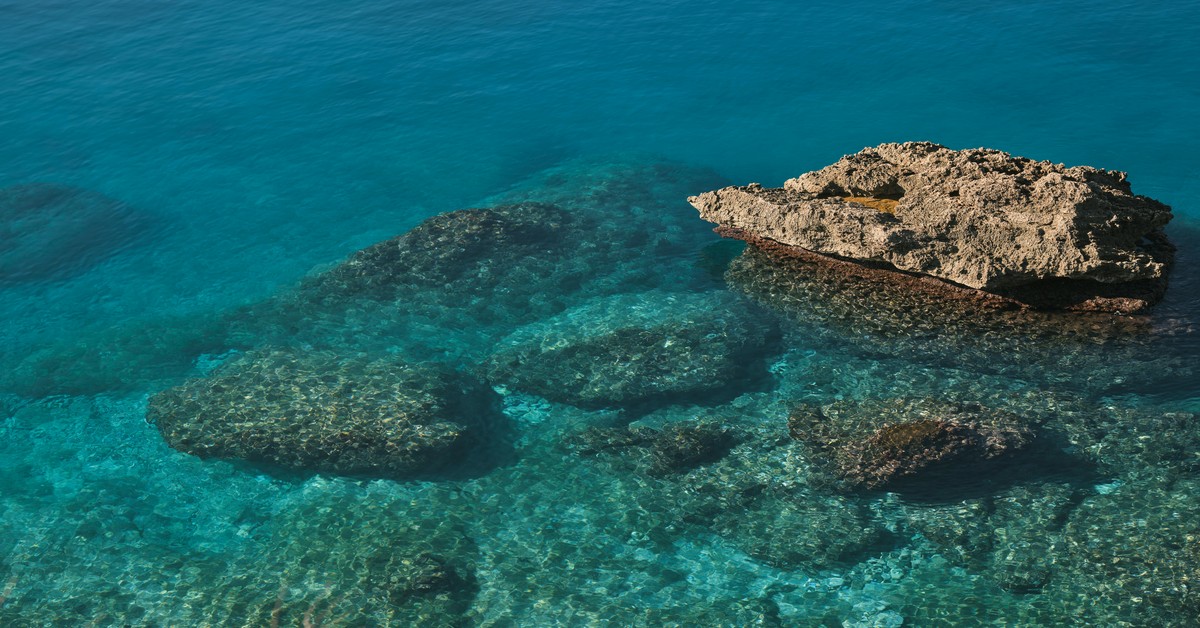
The Mediterranean has a few things going for it that other destinations don’t. First, the visibility. On a good day, you can see 30 to 40 meters, which means you’ll spot fish from a long way off. That cuts both ways though, because they can see you just as easily. The bottom is usually a mix of rocky reefs, seagrass meadows, and sandy patches. This is prime habitat for European sea bass, gilt-head bream, common dentex, and various types of grouper, particularly around rocky drop-offs and underwater pinnacles.
But there are tradeoffs. A lot of areas are heavily regulated. Marine Protected Areas (MPAs) are common, especially along the Italian and Greek coasts. Spearfishing is generally banned inside them, and fines can be serious. Also, spearing while scuba diving is illegal in both countries. You have to hunt while freediving. This isn’t a destination for tank hunters. Seasonal variations matter too. Summer brings warm water and pelagics like amberjack, but also more tourists and boat traffic. Spring and fall offer better visibility and larger fish like grouper, but the water is cooler. Water temperatures range from about 14°C (57°F) in winter to 26°C (79°F) in late summer. A 3-5mm wetsuit covers you for most of the year, but you’ll need thicker gear in winter if you plan to dive through the cold months.
Italy vs. Greece: How the Spearfishing Experience Differs
Italy and Greece share a similar spearfishing culture, but the actual experience on the water differs in a few key ways. Here’s how they stack up on the factors that matter most.
Regulations: Italy requires a fishing license, which you can get online or from regional authorities. It’s cheap, around â¬30-40 per year. Greece also requires a license, but you get it from the local port authority (λμεναÏÏεο). The process is more bureaucratic, especially if you don’t speak Greek. Both countries prohibit spearing in MPAs and near tourist beaches. Greece has stricter bag limits on some species, like seabream, while Italy is more lenient on some but stricter on others, like grouper.
Water clarity and access: Greece generally has clearer water, especially around the islands. The Cyclades and Dodecanese have that kind of blue water visibility that’s hard to find on mainland Italy. But Greek access often requires a boat. Many prime spots are a kilometer or more offshore and shore access is limited. Italy has more shore-accessible spots, particularly along the rocky Ligurian coast and the cliffs of Sicily. If shore dives are your thing, Italy is usually easier to work with.
Species: Italy is better for larger pelagics like amberjack and longfin tuna, especially around the southern coasts and Sicily. Greece offers more consistent opportunities for dentex and grouper, particularly around the islands. Both have excellent seabream fishing.
Best for: Italy is best for structured trips with shore access and a chance at bigger pelagics. Greece is best for remote blue water, island hopping, and consistent reef species. If you want to dive from a boat in pristine water, pick Greece. If you want shore-accessible dives and the potential for something larger, choose Italy.
Legal Requirements and Permits for Spearfishing in Italy
You can’t just show up and start spearing in Italy. You need a fishing license. The most common type is a Licenza di Pesca, issued by the regional government. You can apply online through the Sportello Unico per le Attività Produttive (SUAP) or at a local fisheries office. The cost is about â¬30 per year. Non-residents may need a temporary permit, though many spearos just buy the full annual license.
Once you have the license, there are still restrictions. Spearing while scuba diving is illegal. You have to be freediving. There are also no-take zones: Marine Protected Areas (MPAs) and National Parks. These are marked on nautical charts, but many aren’t clearly signed from the water. Do your research before you dive. A common mistake is diving near a popular tourist beach or within 500 meters of a port. Ask locals or check with the local Capitaneria di Porto for up-to-date info.
Documents to carry:
- Your fishing license (original or printed copy)
- A valid photo ID (passport for non-EU visitors)
- A written record of your catch (species, size, number) – some regions require this
- Proof of insurance (not mandatory but strongly recommended)
Fines for spearing in a protected area start around â¬200 and can go much higher. It’s not worth the risk. Always check before you dive.
Legal Requirements and Permits for Spearfishing in Greece
In Greece, you need a fishing license issued by the local port authority (ÎÎ¹Î¼ÎµÎ½Î¹ÎºÏ Î£Ïμα). It’s a straightforward process, but it means visiting the port office in person. You’ll need your passport, a small fee (around â¬20-30 per year), and a bit of patience. The license is valid nationwide, so you don’t need to reapply for each island.
Key restrictions in Greece:
- No spearing within 500 meters of a port, tourist beach, or organized swimming area.
- No spearing in Marine Protected Areas (e.g., National Marine Parks of Zakynthos or Alonissos).
- No use of scuba gear for spearing. Same as Italy – freediving only.
- Bag limits: For example, you are limited to 3 seabream per day, 2 grouper per day, and 1 dentex per day.
A common pitfall is diving near busy tourist beaches. The Greek coast guard isn’t overly aggressive with enforcement, but fines are real. It’s also illegal to spear at night in many areas. Check local regulations before heading out. The official rules are posted at the port authority office, so stop by and ask for a list. Also, carry a copy of your license and a list of your catch. Some locals will ask to see it, especially if you’re fishing near a popular spot.
Top Spots for Spearfishing in Italy: From Liguria to Sicily
Italy has a wide range of spearfishing environments, from the deep Mediterranean waters of Sicily to the sheltered bays of the Ligurian coast. Here are a few standout areas.
Ligurian Coast (Portofino, Cinque Terre)
The Ligurian coast is rocky and steep, with deep water close to shore. Visibility is often good (15-25 meters), and the species include seabream, dusky grouper, and European sea bass. The best season is late spring through early fall. Water temperatures range from 16-24°C. Access is mostly from the shore, but boat charters are available in Portofino. Expect moderate currents, especially near the headlands. For shore diving, look for rocky points and underwater pinnacles. The Portofino Marine Protected Area is a no-take zone, so stay clear of the boundary markers.
Sardinia (Costa Smeralda, Orosei Gulf)
Sardinia has some of the clearest water in the Mediterranean, with visibility often exceeding 30 meters. The bottom is a mix of granite reefs and seagrass beds. Target species include amberjack, dentex, and grouper. The best months are June to September for pelagics, though the water is warmest in August. Access is mostly by boat, especially around the Costa Smeralda. There are plenty of charter operators in Olbia and Cagliari. For a boat trip, look for underwater pinnacles and drop-offs. Shore access is limited in many parts, so a boat is almost essential. Travelers who need reliable gear storage and transport should consider a spearfishing gear bag to keep equipment organized and protected during transfers.
Sicily (Ionian Coast, Egadi Islands)
Sicily is a prime destination for larger pelagics like amberjack and bluefin tuna. The Ionian coast, particularly around Catania and Taormina, has deep water close to shore. The Egadi Islands offer clear water and excellent reef structure. The season runs from May to October, with peak visibility in late summer. Water temperatures are warmer than the north, often reaching 26°C in August. Access is mostly by boat, but there are some good shore dives along the rocky cliffs of the Ionian coast. Charter boats are available from Trapani and Marsala. If you’re targeting amberjack, look for schools feeding on baitfish near the surface. This isn’t a spot for beginners. The fish are big and currents can be strong.
Adriatic Coast (Puglia, Gargano)
The Adriatic is often overlooked, but the Gargano Peninsula and the Tremiti Islands offer good spearfishing in clear water with moderate depths. Species include seabream, grouper, and sea bass. The water is generally calmer than the Tyrrhenian Sea, making it good for beginners or days when the weather is marginal. The best season is May to October. Water temperatures are slightly cooler than the south, typically 16-24°C. Access is mostly from the shore or small boats. The Tremiti Islands are a marine protected area, so avoid the boundaries.
Top Spots for Spearfishing in Greece: Mainland and Islands
Greece is all about the islands. The best spearfishing is around the blue-water drop-offs and reef systems that surround the Cyclades, Dodecanese, Ionian islands, and Crete. Here’s a breakdown by area.
Cyclades (Naxos, Paros, Milos)
The Cyclades offer some of the clearest water in the Mediterranean. Visibility often exceeds 30 meters, and the bottom is a mix of granite and volcanic rock. Target species include dentex, grouper, and amberjack. The best season is June to October. Water temperatures range from 20-26°C. Access is mostly by boat. Many charter operators run day trips from Naxos or Paros. Shore access is possible around rocky headlands, but the best spots are a kilometer or two offshore. Look for deep drop-offs and pinnacles. The water can be exposed, so check the wind forecast. The meltemi winds can kick up quickly in summer.
Dodecanese (Rhodes, Kos, Karpathos)
The Dodecanese are closer to Turkey and have a different ecology. The water is generally warm and clear, with a mix of reef and seagrass habitat. Target species include grouper, dentex, and seabream. The best season is May to October. Water temperatures are warm, often 24-28°C in summer. Access is mostly by boat. Rhodes has good charter services, and the southern coast of Karpathos offers remote spots with excellent diving. Shore access is possible around rocky points, especially on the less developed islands. The sea is generally calmer than the Cyclades, making it a good option for less experienced divers.
Ionian Islands (Corfu, Lefkada, Zakynthos)
The Ionian islands are greener and more sheltered than the Aegean. The water is clear but can be slightly cooler. Target species include sea bass, grouper, and red mullet. The best season is May to September. Water temperatures range from 18-25°C. Access is mostly from the shore, especially around the rocky cliffs of Lefkada and the western coast of Zakynthos. Boat charters are available in Corfu and Zakynthos. The Ionian is less wind-prone than the Aegean, making it a good destination for shore-based trips. The National Marine Park of Zakynthos is a no-take zone, so stay clear.
Crete (South Coast, Chania to Sitia)
Crete offers a mix of shore and boat access. The south coast has deep water close to shore and excellent visibility. Target species include grouper, dentex, and amberjack. The best season is May to October. Water temperatures are warm, reaching 26°C in August. Access is mostly by boat from the ports of Chania, Rethymno, and Heraklion. Shore access is possible along the rugged south coast, but many spots require a hike or a boat. The sea can be rough on the north coast during meltemi winds, so the south is often calmer. If you’re targeting grouper, look for rocky overhangs and caves in deeper water.
Essential Gear for Mediterranean Spearfishing
The right gear makes a difference in the Mediterranean. Conditions are specific, and a general setup from another region might not work well. Here’s what you should prioritize.
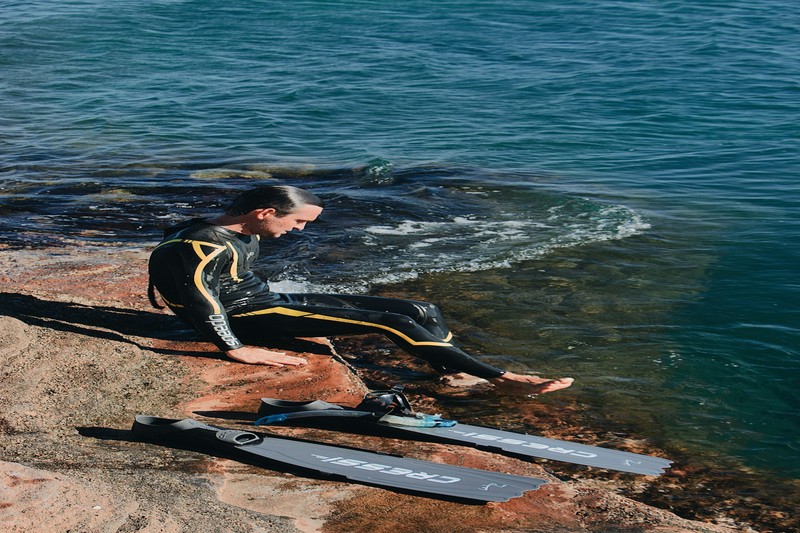
Wetsuit: A 3.5mm to 5mm wetsuit is the sweet spot for most of the year. In summer, a 3.5mm open-cell suit will keep you comfortable in 22-26°C water. In spring and fall, a 5mm suit is better for 16-20°C water. If you’re diving in winter, you’ll need a 7mm suit with a hood. Look for a suit with good flexibility, since you’ll be doing a lot of diving and need to move freely. A two-piece suit is easier to get in and out of on a boat, but a one-piece is warmer. For longer trips, a reliable spearfishing wetsuit designed for these temperature ranges will keep you comfortable across multiple dive days.
Gun: Lightweight carbon guns are ideal for the Mediterranean. The water is clear, and you’ll often be shooting at distances of 3-5 meters. A 100-110cm carbon railgun is a good all-around length. If you’re targeting bigger pelagics like amberjack, a 120cm gun gives you a bit more reach. Avoid heavy steel guns. The recoil and weight aren’t necessary here.
Fins: Sturdy fins with medium stiffness are best for the currents you’ll encounter. Fiberglass or carbon blades are fine, but make sure the foot pockets fit well and are comfortable for long dives. A longer blade gives you more power for dealing with currents, but a shorter blade is easier to maneuver around rocks and reefs. A good set of spearfishing fins with medium stiffness blades is a practical choice for handling the variable current conditions you’ll find around headlands.
Float line: A 20-30 meter float line with a bright buoy is essential. Boat traffic can be significant in summer, especially near tourist areas. The buoy makes you visible. A breakaway system is also a good idea in case you get tangled in underwater structure.
Other gear: A dive knife, a dive watch, and a small mesh bag for your catch are all useful. A signal mirror or a whistle is good safety gear, especially if you’re diving alone. I’d also recommend a dive computer if you’re doing repeated deep dives. It helps manage your bottom time and keeps you safe.
Common Mistakes to Avoid When Spearfishing the Mediterranean
Even experienced spearos make mistakes when diving in new waters. Here are a few to watch out for.
Underestimating thermoclines. The Mediterranean has strong thermoclines, especially in summer. You can be in 24°C water at the surface and hit 16°C water at 15 meters. This can affect your dive planning and your comfort. If you’re not used to it, it can cause you to shorten your dives. A 5mm wetsuit is usually enough to handle the temperature swing, but check local conditions before you go deep.
Ignoring local regulations about night spearing. Night spearing is illegal in some areas and heavily restricted in others. In Greece, it’s generally prohibited. In Italy, it varies by region. Always check before you plan a night dive. The fines aren’t worth it.
Diving near boat traffic. This is a safety issue. The Mediterranean has a lot of recreational boat traffic, especially in summer. If you’re diving near a popular beach or a port, you’re asking for trouble. Use a dive buoy, stay away from traffic lanes, and avoid diving at dusk or dawn when boats are less likely to see you.
Spearfishing in a no-take zone. This is the most common legal mistake. MPAs are often poorly marked from the water, and it’s easy to drift into one without realizing it. Use a GPS or chart plotter to mark the boundaries. Ask locals for up-to-date information. The fines can reach several hundred euros, and your gear can be confiscated.
Poor dive planning. The Mediterranean can be deceptive. The water looks inviting, but currents can be strong near headlands and between islands. Always check the tide and wind forecast before you go. A current that’s manageable at the surface can be a problem at depth. Plan your dive so you have enough energy to get back to shore or the boat.
Seasonal Patterns: When and Where to Go
Timing your trip makes a big difference in the quality of your spearfishing. Here’s a quick reference by month.
Summer (June-September): Warm water (22-26°C) and the best chance at pelagics like amberjack and tuna. Visibility is good (20-35 meters) but can be reduced by plankton blooms in late summer. Tourist traffic is at its peak, so expect more boats and more competition for prime spots. Best for: Sicily, Cyclades, Dodecanese, Sardinia. Access by boat is recommended.
Spring (April-May) and Fall (October-November): Cooler water (16-22°C) but better visibility (25-40 meters). The fish are more active after the winter, and you’ll find larger specimens of grouper and dentex. Fewer tourists mean less boat traffic. Best for: Ligurian coast, Ionian islands, Crete. Shore access is more viable during these months.
Winter (December-March): Cold water (14-18°C) and rougher seas. Visibility is still good (20-30 meters) but the fishing is slower. Only for hardcore spearos who are comfortable in cold water. Best for: Deep, sheltered spots in Sicily or the Ionian. You’ll need a 7mm wetsuit and good thermal protection.
Planning Your Trip: Flights, Accommodation, and Local Transport
Logistics matter. Getting to the right spot at the right time can make or break your trip.
Flights: For Italy, major airports like Rome (FCO, CIA), Milan (MXP, BGY), and Catania (CTA) are your main entry points. For regional access to Sardinia, fly into Olbia (OLB) or Cagliari (CAG). For Sicily, Catania is best for the Ionian coast. For Greece, Athens International (ATH) is the main hub. From there, you can take a domestic flight to Heraklion (HER), Rhodes (RHO), or Paros (PAS). Island hopping is common, so plan your internal flights or ferries ahead of time.
Accommodation: Look for hotels or rentals near the coast with dive-friendly policies. Many places allow you to store gear and rinse wetsuits. For Italy, consider staying in small towns near prime dive spots, like Vernazza in Liguria or Otranto in Puglia. For Greece, look for villas or apartments near the port in Naxos or Paros. A good base gives you quick access to the water.
Local transport: A rental car is essential for mainland spots and for accessing remote shore dives. In Italy, the roads are good, and you can reach most spots within a couple of hours from a major city. In Greece, renting a car on the islands is more expensive but often worth it. For island hopping, ferries are the main option. Book your tickets in advance during summer. A small boat charter from a local operator is also a smart investment for reaching blue water spots. Check rates and availability before you go.
Book your stay near top spearfishing spots today.
Understanding Local Culture and Fishing Etiquette
The spearfishing community in Italy and Greece is tight. Locals have been diving these waters for generations, and they can be protective of their spots. A little respect goes a long way.
If you see a local spearo, approach them politely. Offer a handshake and introduce yourself. If they share information about a spot, offer to show them something new in return. It’s also common to share a portion of your catch, especially if you’ve had a good day. This is a sign of respect, not a transaction.
In many coastal towns, you’ll find tavernas or restaurants that will prepare your catch for a small fee. This is a great way to enjoy your harvest and connect with the local culture. But don’t flaunt a big catch in front of non-spearos. It can cause friction, especially if the fish is a protected species or if you’re diving near a tourist area.
Overall, the culture is welcoming, but it’s built on mutual respect. If you act like a local, you’ll be treated like one.
Recommended Operators and Charter Services
If you want to maximize your time on the water, a charter service is a solid investment. Here are a few recommended operators in Italy and Greece.
Italy:
- Sicily Spearfishing Charters (Trapani): They offer full-day trips to the Egadi Islands. English-speaking guides, all gear included. Prices start around â¬150 per person. Ideal for targeting amberjack and dentex.
- Sardinia Spearfishing (Olbia): Focused on the Costa Smeralda and La Maddalena. They provide boat, guide, and gear. Prices around â¬200 per person for a full day. Best for blue-water diving.
Greece:
- Greek Spearfishing Guides (Naxos): They run day trips around the Cyclades. Gear is available, and the guides speak English. Prices around â¬120-180 per person. Great for dentex and grouper.
- Crete Spearfishing (Chania): They offer trips along the south coast. All gear included, and they know the best spots for grouper. Prices around â¬150 per person. Good for deep-water diving.
Prices vary by season and group size. It’s worth contacting them directly to check availability and ask about specific target species. Most require a booking in advance, especially during peak season.
Making the Most of Your Mediterranean Spearfishing Adventure
If you’re planning a Mediterranean spearfishing trip, the key takeaways are simple. Check the regulations before you go. Pack the right wetsuit for the season. Respect local etiquette. And don’t underestimate the value of a good boat charter for reaching the best spots.
The Mediterranean offers some of the most rewarding spearfishing in the world, but it requires preparation. Take the time to research your destination, understand the rules, and plan your logistics. The fish will be there. Make sure you are too.
Ready to plan your trip? Check rates and book accommodations near top spearfishing spots today.
Headed to the Mediterranean? European spearing has its own rules. Read our regulations guide before booking, and grab Med-specific gear for the trip.