Australia Spearfishing: Exploring the Great Barrier Reef
Introduction
Spearfishing Australia’s Great Barrier Reef is on a lot of divers’ lists, but it’s not a trip you can show up for and figure out as you go. The reef is huge, conditions shift quickly, and the regulations are precise. I’ve put enough time in these waters to know that planning ahead makes the difference between a solid trip and a waste of money. This guide covers the practical side: permits, locations, gear, safety, and logistics. If you’re a spearo looking to get in the water and bring fish home, this is what matters.
The Great Barrier Reef isn’t just a postcard — it’s the most challenging and rewarding spearing I’ve ever done.
Is Spearfishing Legal on the Great Barrier Reef?
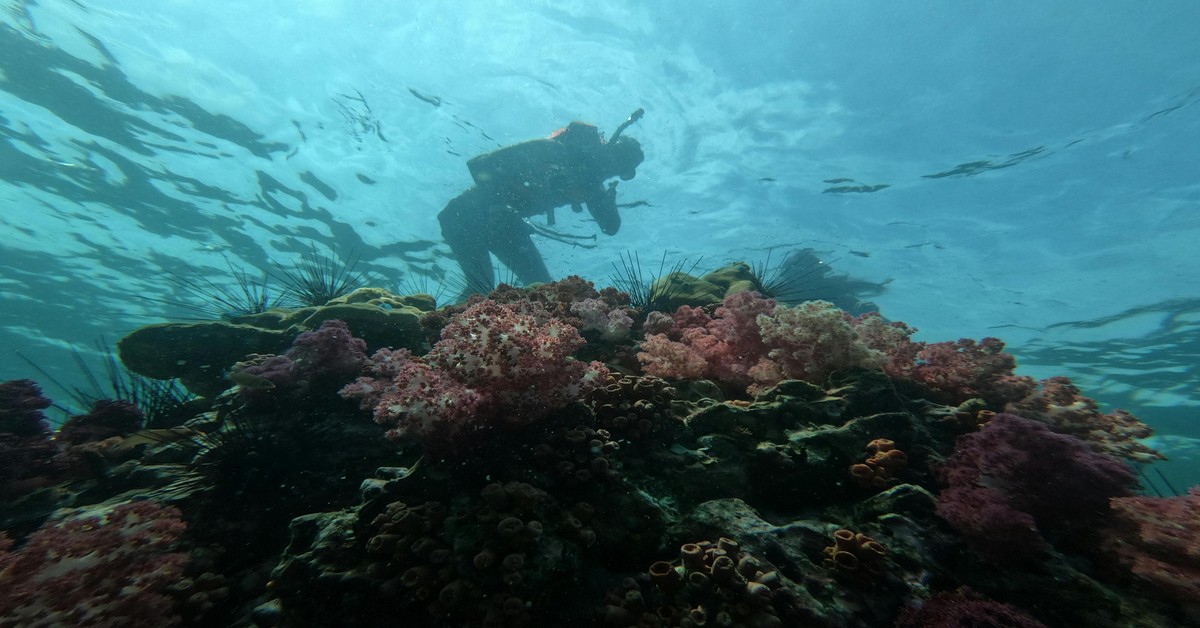
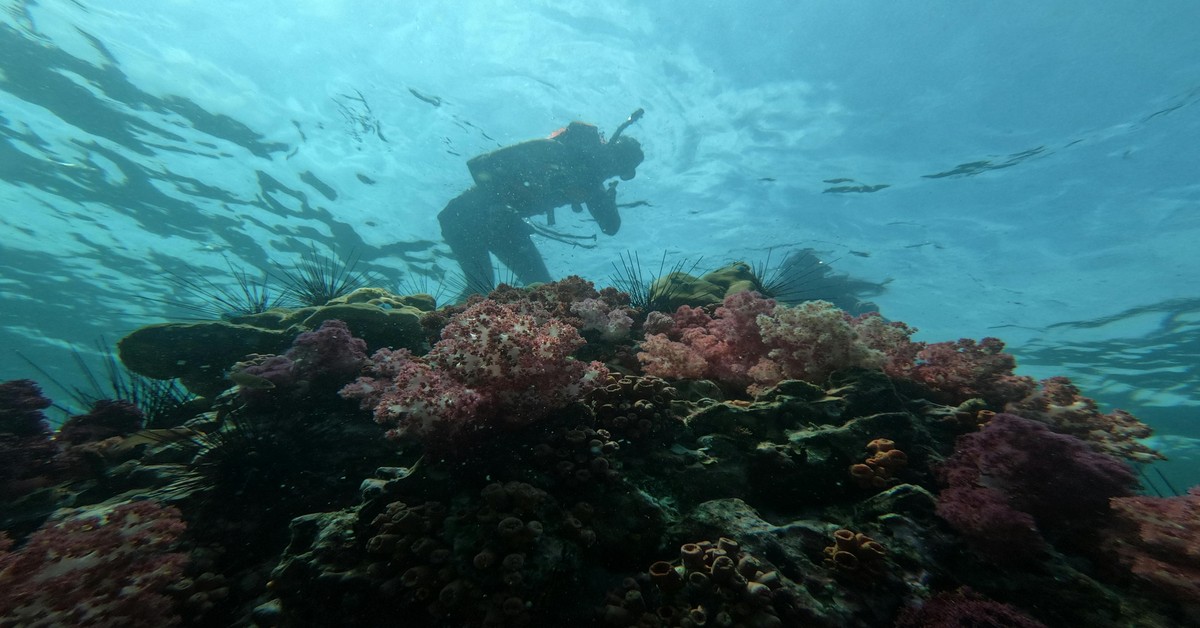
Short answer: yes, spearfishing is allowed in most of the Great Barrier Reef Marine Park. But you can’t just pick any spot. The reef is divided into Green Zones (no-take) and Blue Zones (open to fishing, including spearing). Get caught spearing in a Green Zone and you’ll face a serious fine.
You need two things before you pack your gear: a Queensland Recreational Fishing License and a Marine National Park permit for the specific zones you plan to fish. Both are straightforward to get online. The QLD fishing license is inexpensive and valid for a year. The Marine Park permit covers your vessel and activity.
Protected species are off the table. That includes turtles, dugongs, and certain fish like potato cod. Some species have seasonal closures, like barramundi and coral trout in certain areas. Download the official Marine Park zoning app and use it to check your location before you get in the water. It’s not optional.
Top Spearfishing Spots on the Great Barrier Reef
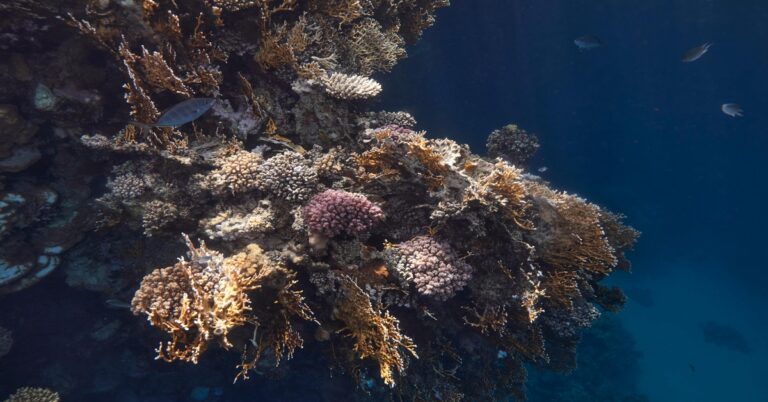
The reef is massive, so where you go matters. Here are five spots with different vibes.
- Ribbon Reefs (Remote, Pelagic): These outer reefs off Cooktown. Deep water, strong currents, big fish. Spanish mackerel, dogtooth tuna, sometimes wahoo. Only reachable by liveaboard or private charter. Best for experienced spearos chasing a challenge and trophy fish.
- Fitzroy Island (Inshore, Beginner-Friendly): A short ferry ride from Cairns. Shallow, calm reefs. Good for coral trout and spangled emperor. Easy shore diving if you rent a tender. Best for beginners or a quick day trip.
- Swain Reefs (Diverse, Advanced): A big reef system south of the main tourist areas. Less crowded, better visibility. Depths from 10m to 40m. Red emperor, coral trout, cobia. Access by long-range charter. Best for divers wanting variety without the crowds. Travelers planning a longer charter trip may find a high-visibility dive float and flag useful for staying seen on these less crowded reefs.
- Cairns Local Reefs (Quick Trips): The inner fringing reefs near Cairns. Easy to reach by small boat. Solid for coral trout and mangrove jack. Not as pristine as outer reefs but very accessible. Best if you’re short on time or budget.
- Lizard Island Area (Remote, Mixed): A bit further north. A mix of inshore and offshore reefs. Coral trout, mackerel, occasionally trevally. Requires a charter or liveaboard. Best for divers after variety and quality.
Essential Gear for Spearfishing the Great Barrier Reef
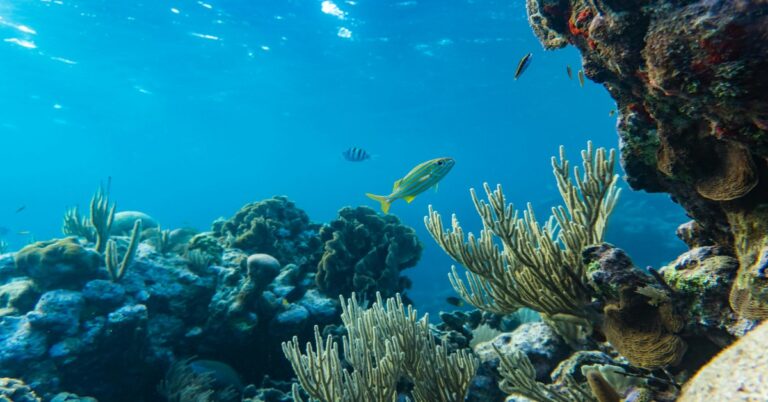
You don’t need to bring your whole dive kit. Focus on what works in tropical reef conditions.
- Wetsuit: A 3mm shorty or a 1.5mm full suit is enough. Water temps are warm year-round. No need for thick neoprene. A thin suit also packs smaller for flights.
- Float and Dive Flag: essential. Plenty of boat traffic on the reef. A high-vis orange or yellow float with a dive flag keeps you seen. I use an NRS float with a flag mount. It’s tough and holds up to reef conditions.
- Speargun: For reef work, a 90cm to 110cm gun is ideal. Closed muzzle with multiple bands is better for reef fish than an open muzzle. You want a clean shot that doesn’t damage the fish. Rob Allen and Riffe both make reliable reef guns. Closed muzzle helps avoid line tangles on wreckage and coral. Divers who prefer a compact setup may appreciate a reliable 90cm to 110cm speargun for its versatility in these conditions.
- Dive Knife: A sharp, corrosion-resistant knife is a lifesaver. Reefs are full of line, gill nets, and old fishing gear. You will get tangled at some point. A blunt knife is useless. Get a titanium or high-end steel blade.
- Dive Computer: A simple freedive computer with depth, time, and surface interval is worth having. Suunto and Cressi make good ones. You don’t need a full tech diving rig.
- Reef Hook: Absolutely essential in current. The reef has strong tidal flows. A hook lets you hold position and rest. Otherwise you burn energy fighting current. A durable reef hook is worth considering if you plan to dive in areas with strong tidal flows.
What can you rent? Wetsuits, fins, and basic spearguns are available at many dive shops in Cairns and Port Douglas. Your own gear is better if you have it, but rentals are fine for occasional use.
How to Plan a Spearfishing Trip to the Great Barrier Reef
Timing matters. The best months are May through October. Visibility is at its peak (often 20m+), water is clear, and you avoid stinger season (November to April) when irukandji jellyfish are active. You can still dive in summer, but expect lower visibility and more plankton.
Three options for getting on the water:
- Liveaboard: Best for serious divers. You spend 5-7 days on a boat, covering multiple reefs. More dive time per day. Cost is $2,000-$4,000 AUD per person. Includes meals, tanks, and guides.
- Day Charter: Good for a taste. Most charters leave from Cairns or Port Douglas. You get 2-3 dives in a day. Costs $200-$400 AUD per person. Some provide gear, some don’t. Check before booking.
- DIY Shore Diving: Cheapest option. You need your own boat or hire a tender. You also need local knowledge to find good spots. Not recommended for first-timers.
Mistakes to avoid:
- Not bringing a reef hook. Current can be brutal.
- Underestimating distance. Some outer reefs are 2+ hours from shore by boat. Fuel and time add up.
- Forgetting to check tide tables. Low tide exposes reef flats and currents run stronger on outgoing tides.
Budget: Flights to Cairns, 3-5 days of charter, accommodation (budget hotels $150-$250/night), gear rental, permits, tips for crew ($20-$50/day). Total for a week: $3,000-$6,000 AUD depending on style.
Ready to book your Great Barrier Reef spearfishing adventure? Check current charter rates and availability here.
Species to Target and What to Expect
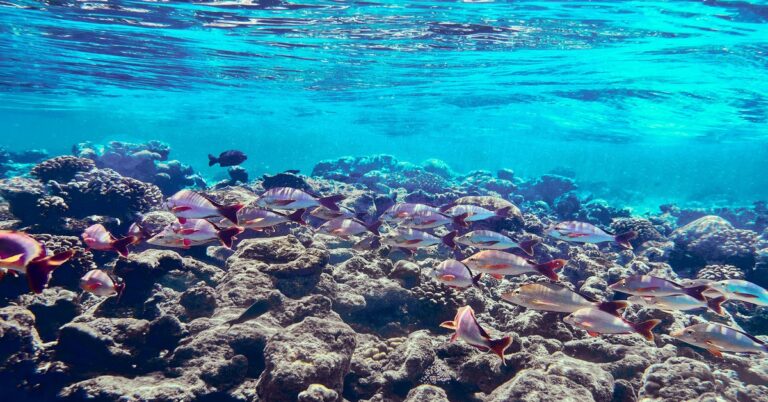
The reef has a solid variety of table fish. Here’s what you’ll likely encounter and how to approach them.
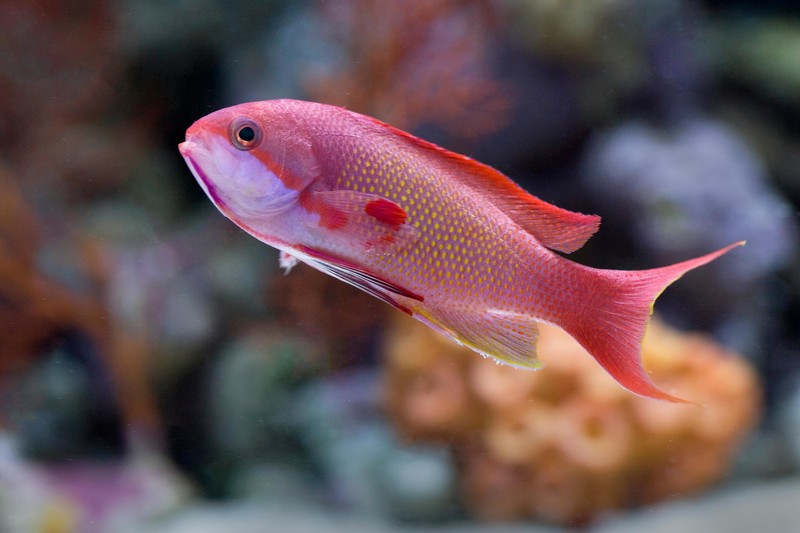
- Coral Trout: The main target. Line-shy and smart. They sit near structure, often in current. A slow, stealthy approach works best. They spook easily. A clean head shot is ideal. Bag limit is 7 per person in most zones. Size limit is 38cm.
- Spanish Mackerel: Pelagic, fast, and strong. Often found near drop-offs and current lines. You need a good first shot. If you miss, they bolt and you lose them. A fast, accurate gun with a slip-tip is best. They attract sharks quickly, so bleed and process them fast.
- Red Emperor: Deep reef fish. Found in 30m+. They are powerful and fight hard. Good eating. They sit near ledges and overhangs. Need a solid gun and a good dive profile. Size limit is 55cm.
- Spangled Emperor: More common on inshore reefs. Less spooky than coral trout. Decent table fish. Bag limit is 5 per person.
- Dogtooth Tuna: Occasional visitor on outer reefs. Rare but rewarding. Huge, powerful, and a serious challenge. Not for the faint-hearted. They can tow you. A proper setup with a reel or float line is needed.
Always check the QLD fishing app for current bag and size limits. They do change. Don’t rely on memory.
How to Stay Safe While Spearfishing the Great Barrier Reef
Safety isn’t a checklist you ignore. The reef is wild, not a pool.
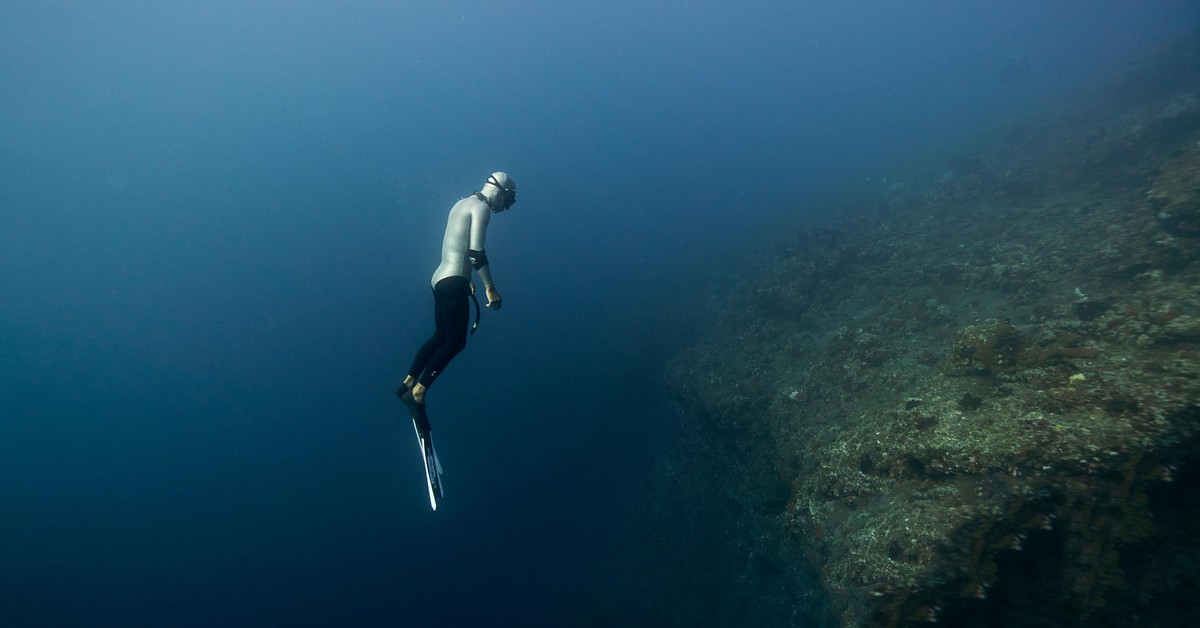
- Marine Life Awareness: Sharks are present. Silkies, white tips, and occasionally tigers or bulls. Most are not aggressive, but a struggling fish can trigger a reaction. Bleed and process your catch away from your dive spot. Use a float with a line to keep fish away from you. I carry a Shark Shield if I’m in deep water or near known shark areas. Still, the best defense is awareness and clean processing.
- Stonefish and Irukandji: Stonefish sit on the reef bottom. Don’t put your hands on the ground. Irukandji jellyfish are in summer. A full-length wetsuit helps. If you feel anything off after a dive, get medical help.
- Strong Currents: Tidal flows on the reef can be fierce. Always check tide charts before you dive. A reef hook is essential for holding position. Never dive alone in strong current.
- Boat Traffic: The reef is busy with tourist boats, private yachts, and fishing charters. A dive flag and a float are essential. If you are diving from a tender, have someone on board watch for boats.
- Buddy System: Always dive with a partner. Two pairs of eyes, two sets of hands. It’s safer and more enjoyable. If you are alone, stay in shallow water and don’t push your limits.
- First Aid Kit: Carry a basic kit with bandages, antiseptic, and a tourniquet. Coral cuts get infected fast. Treat them immediately. A compact dive first aid kit can be a practical addition for treating coral cuts quickly.
Spearfishing Charters vs. DIY: Which Is Right for You?
This is probably the biggest decision you’ll make for your trip.
Charters: Easier. You pay a fee, and the crew knows the local spots, currents, and regulations. They provide the boat, fuel, most gear, and often meals. You just show up and dive. Downsides are cost and limited flexibility. You dive where they take you. You might be on a boat with other divers. If you are short on time, want to learn local spots, or lack your own gear, a charter is the right choice.
DIY: More freedom and potentially cheaper. But it requires a reliable boat, local knowledge, and a lot more planning. You need to know tide tables, GPS coordinates for unmarked reefs, and how to avoid Green Zones. Fuel, permits, and boat hire costs add up. If you have a group, a reliable boat, and at least one person with local knowledge, DIY can be a great experience. Otherwise, you will waste time and money.
Decision framework: Choose a charter if you are short on time, want to learn local spots, or lack your own gear. Go DIY if you have a group, a reliable boat, and local knowledge.
Check charter rates and availability here.
What to Do with Your Catch: Processing and Transporting Fish
Getting the fish is only half the job. The second half is keeping it edible and getting it home.
- Bleed and gill your catch immediately: This is the single best thing you can do for meat quality and to reduce shark attraction. Cut the gills and let the fish bleed out in the water. Never bring a live, bleeding fish onto the boat or back to the dive spot.
- On-ice storage: Get your fish on ice as fast as possible. A good cooler like a Yeti Tundra or similar rotomolded box keeps ice for days. Fill the cooler with a mix of bagged ice and cold water. Fish submerged in icy water stays fresh longer than fish in air-cooled ice. A high-quality rotomolded cooler can make a big difference in keeping your catch fresh.
- Filleting: If you don’t plan to eat the whole fish, fillet it. A sharp fillet knife makes a massive difference. I use a Rada or a similar high-carbon steel blade. Keep the fillets in the cooler.
- Flying fish home: Most airlines allow checked fish in a rigid cooler or a Styrofoam box. Check their specific rules. Some require the cooler to be taped shut and labeled. You can also use a fish box designed for air travel. Fill with ice packs (not loose ice) and wrap fillets tightly. Declare the fish at customs if flying internationally.
Common Mistakes Spearos Make on the Great Barrier Reef
Here are the mistakes I see most often.
- Ignoring tide tables: Tides determine current, visibility, and fish activity. Diving at dead low tide exposes reef flats and makes it harder to find fish. Diving at high tide brings clearer water but stronger current. Learn to read a tide chart.
- Diving alone on a reef in strong current: I’ve seen guys solo in 25m+ current. It’s dangerous. You burn out, you drift, and if something goes wrong, you are alone. Always dive with a buddy in current.
- Not using a reef hook when needed: In any current over 1 knot, a reef hook is your best friend. Without it, you spend half your dive fighting current. It’s a cheap tool that changes everything.
- Targeting undersized fish: It’s not just about fines. It’s about the fishery. Undersized fish are breeding stock. If you take them, you hurt the future of the reef. Know the size limits and respect them.
- Underestimating distance from shore: The outer reefs look close on a map. They are not. A 2-hour boat ride one way is common. If you run out of fuel or get delayed, you are in trouble. Always have a backup plan and enough fuel.
Final Checklist: Preparing for Your Australia Spearfishing Trip
Before you leave, run through this list.
- Permits: Queensland Recreational Fishing License. Great Barrier Reef Marine Park permit (if operating a vessel).
- Gear: 3mm wetsuit, dive knife, reef hook, speargun (90-110cm), dive computer, float with flag.
- Cooler: Yeti Tundra or similar for your catch. Extra ice packs for flights.
- Travel Insurance: Covers dive accidents, gear loss, and medical evacuation. Not optional.
- Weather Window: May to October for best visibility. Check forecasts the week before.
- Emergency Contacts: Save the local coast guard and hyperbaric chamber numbers.
Ready to book your Great Barrier Reef spearfishing adventure? Check current charter rates and availability here.