Spearfishing in Zanzibar: A Practical Guide to the Spice Islands
Why Zanzibar for Spearfishing? The Practical Reality
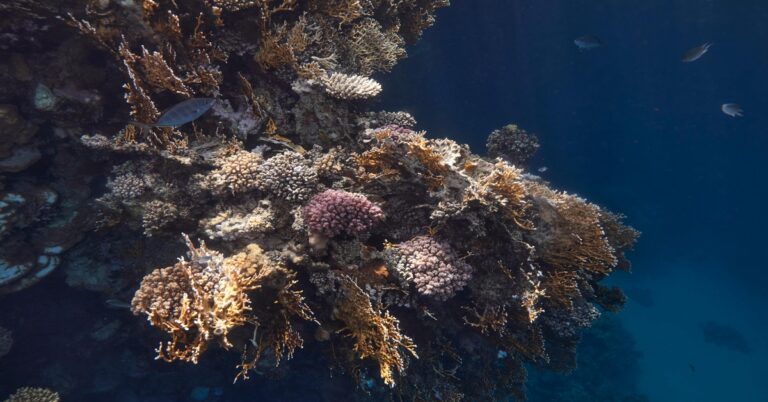
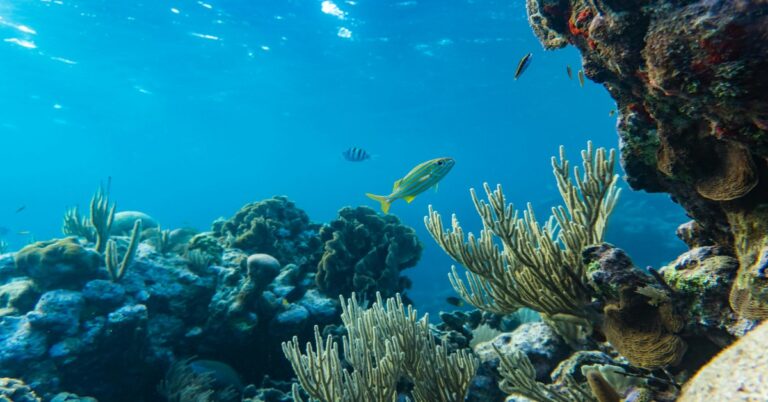
Zanzibar gives you decent reef systems, clear water, and solid tourism infrastructure. It works well for intermediate spearfishers. You get reliable flights, enough lodging options, and English is common enough that arranging trips isn’t a headache. The waters around the main island (Unguja) hold good numbers of emperor fish, snapper, and grouper. The deeper channels and Pemba Island offer pelagic action if you’re willing to travel.
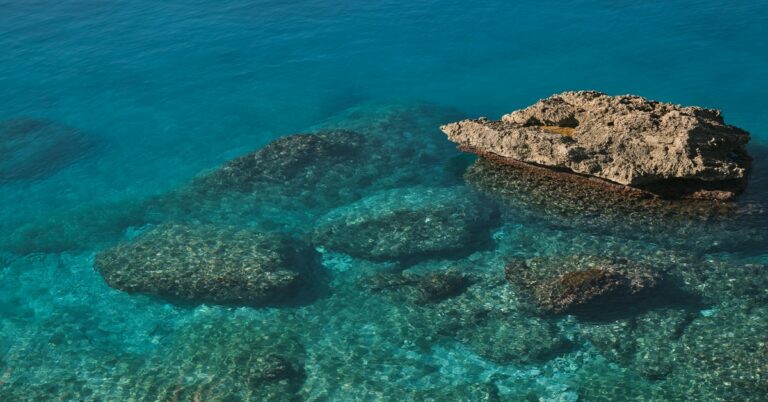
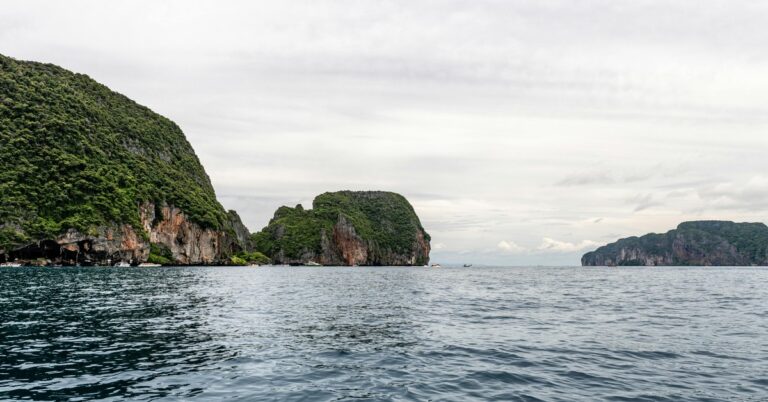
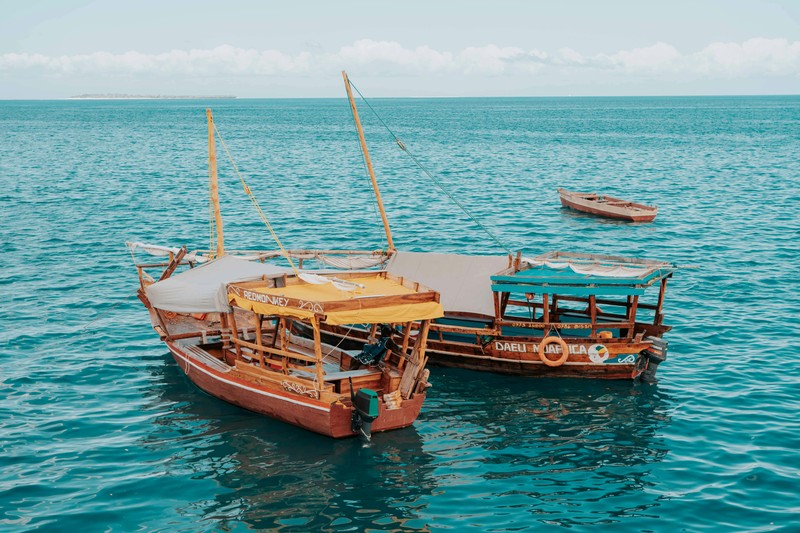
Zanzibar’s spice-scented breeze and crystal lagoons make it easy to forget you’re there to hunt. Until the dogtooth tuna show up.
That said, spearfishing in Zanzibar isn’t a guaranteed hit every month. Seasonal monsoon winds can blow out visibility and shut down boat access for days. Some of the easier reefs near tourist areas get heavy fishing pressure. You’ll need to know where to go, deal with permit logistics, and respect marine reserves. This article breaks down the best zones, seasons, gear, and logistics so you can plan a trip that actually works on the water.
Spearfishing Zones in Zanzibar: Where to Go
Zanzibar’s spearfishing splits into a few distinct zones, each with its own conditions and target species.
The West Coast, near Stone Town and the ferry terminal, is calmer and shallower. Water clarity runs moderate, around 10 to 15 meters. The reefs are doable for intermediate freedivers and good for a relaxed morning hunt targeting smaller snapper and emperor fish. The downside: boat traffic and local fishing pressure. You’ll need to be selective.
The East Coast, near Paje, Jambiani, and Michamvi, has the real reef action. The fringing reef drops into deeper water, and currents can be serious. This isn’t a beginner zone. You need solid dive fitness and comfort with moderate current. Here you’ll find larger grouper, triggerfish, and occasional dogtooth tuna. Wind is a factor year-round from the southeast, but the fish are consistent. Avoid this coast during strong southeast monsoon swells (June to August) unless you have a good local guide and a reliable boat.
Menai Bay, on the southwest side, is a protected conservation area. It’s beginner-friendly with clear, calm water and plenty of smaller reef fish. Popular with tourist snorkeling boats, so avoid weekends. Larger predators are less common, but it’s good for practicing technique. Spearfishing is allowed outside the no-take zones, but confirm boundaries with your guide.
For blue-water hunting, Pemba Island is the real deal. It’s a 2 to 3-hour ferry ride from Unguja. Deeper, cleaner water with wahoo, kingfish, and tuna. This is advanced territory. You’ll need a dedicated boat and guide, and the cost is higher. For most intermediate spearfishers, a day trip to Pemba or a multi-day liveaboard charter is worth the investment for trophy-sized fish.
Best Time of Year for Spearfishing in Zanzibar
The two monsoon seasons dictate conditions. The southeast monsoon (Kaskazi) runs roughly June to October. Stronger winds, especially on the east coast, but clearer water. Visibility often exceeds 20 meters on the west side. Water temperature drops to around 24 to 26°C, so a 3mm wetsuit is comfortable. Wind can make boat travel uncomfortable, but the visibility is hard to beat. For blue water hunting, August and September are prime.
The northeast monsoon (Kusi) from November to March brings calmer seas and lighter winds. This is the easier time for boat access and the typical tourist season. Visibility drops, often to 10 to 15 meters, and can be reduced by plankton blooms after rains. Water temperature rises to 28 to 30°C, so a 2mm shorty or a rash guard is enough. The fish are still there, but hunting is easier on the reef than in blue water. January and February are solid for reef action.
The shoulder months of May, June, October, and November offer the best balance. You get reasonable visibility without the strongest winds. Less crowded on the water and in accommodations. If you have flexibility, these are the best windows for a multi-day trip combining reef and blue water hunting.
Essential Gear for Spearfishing Zanzibar
Your gear depends on your target zone and season. For most reef hunting around Unguja, a 100 to 120cm railgun is ideal. A 110cm Riffe or Pathos is a reliable choice. You’ll want a reel for deeper water or a floatline for reef scenarios. Avoid long guns for smaller reefs; they’re cumbersome. For blue water off Pemba, you’ll want a 130 to 140cm gun or a roller gun.
Fins are critical. If you’re flying in, plastic freediving fins like the Leaderfins are affordable and durable. If you’re bringing your own, carbon fiber fins offer better performance but are more fragile for travel. A 3mm long-suit wetsuit is the most versatile for June to October. For warmer months (November to March), a 2mm shorty is enough unless you get cold easily.
You need a dive computer with a freedive mode. I use a Suunto D5 or Garmin Descent. A float and flag are legally required for any spearfishing trip in Tanzania. I rely on a Rob Allen float. A sharp knife, a stringer (paracord with a stainless steel tip), and reef shoes are essential. Most rental gear on the island is entry-level and might not fit well. Bring your own mask, fins, and dive computer for comfort and reliability. Spearguns can be rented from local shops, but you’ll pay a premium for decent equipment.
Laws, Permits, and Marine Reserves
Spearfishing in Tanzanian waters has rules. You cannot spearfish on scuba gear; only freediving is permitted. Night spearfishing is illegal. You need a valid fishing permit, which is straightforward to get. You can get it through the fisheries department in Stone Town or through a spearfishing lodge or guide. Cost is typically between $50 and $100 for a temporary tourist permit. Some lodges include this in their package, but confirm before you arrive.
Marine reserves like Mnemba Atoll and Chumbe Island are completely off-limits to spearfishing. Boundaries are marked on most charts, and local guides know them. Fines are substantial, and you risk having your gear confiscated. Outside these reserves, most coral reefs are open, but respect local fishing communities. Avoid shooting juvenile fish, and never take more than you can eat. Good ethics for the long-term health of the fishery.
Getting There and Getting Around: Logistics
The easiest way to reach Zanzibar is flying into Abeid Amani Karume International Airport (ZNZ). Direct flights from major European hubs and the Middle East exist, or you can fly from Dar es Salaam. Once you land, getting to Stone Town or your accommodation is simple. A taxi from the airport to Stone Town costs about $15 to $20. Prices are negotiable, but that’s a fair rate. For longer transfers (for example, to the east coast), a pre-booked driver will cost $40 to $60.
For independent exploring, a 4×4 rental is recommended, especially for east coast roads. A day rental with a driver is around $80 to $120. The local dala-dala (minibus) is cheap (a few dollars) but crowded and not practical for carrying spearfishing gear. Most spearfishing lodges offer boat transport as part of their packages, which eliminates the need for a car.
Spearguns must be in checked luggage. Many airlines have specific policies for sporting equipment. Some charge extra, others treat it as standard sports gear. Call your airline and confirm their exact policy for “spearguns” or “underwater hunting equipment.” Don’t assume they’ll accept it without notice. A hard-sided gun case is worth the investment for peace of mind.
Accommodation Options for Spearos
Where you stay depends on your budget and whether you want to be on the east or west coast. For budget options, Paje on the east coast has several backpacker hostels. Close to the reef, but you’ll need to arrange boat transport or shore-dive. Mid-range options like Kasha in Paje or Mbaleni near Kiwengwa offer a good balance of comfort and access. They often have agreements with local guides. High-end private beach villas on the east coast provide direct boat access and privacy, but you’ll pay a premium.
Staying on the west coast puts you closer to Stone Town for permits and the ferry to Pemba. Lodging here is more standard hotels. The tradeoff is that the best reef hunting is on the east coast or offshore, so you’ll have a longer boat ride. Many spearfishing lodges operate on the east coast. If you’re serious about hunting, this is where you want to be. Many lodges offer all-inclusive spearfishing packages covering accommodation, meals, boat, and guide. For first-timers, this is often the most stress-free and cost-effective approach. Check rates and availability through the lodge directly.
Guided vs. Independent Spearfishing: What Works Best
If it’s your first time in Zanzibar, start with a guided trip for the first 2 to 3 days. A good local guide knows the reefs, currents, tides, and legal boundaries. They handle permit logistics, provide boat transport, and know where the fish are holding. It’s about safety as much as convenience. I’ve seen good spearfishermen waste two days trying to find fish on their own because they didn’t understand wind patterns. A guide costs $150 to $300 per person per day, but the first day alone pays for itself in fish.
If you’re experienced and have your own transport, going independent is viable. Rent a boat and skipper for $100 to $150 per day plus fuel. This gives you freedom to explore and hunt on your own schedule. what matters is to start slow, use your GPS, and be wary of strong currents. If you go independent, spend the first day scouting and mapping the zone you want to hunt. Many lodge packages include the first day as a guided intro, then you can go solo if you prefer.
Common Mistakes Spearfishers Make in Zanzibar
The biggest mistake is underestimating the current on the east coast. The tidal flow through the channel between Unguja and the mainland is strong. I’ve seen experienced spearos get swept off a reef and swim 500 meters back to the boat. Always check tide tables and plan around slack tide. Another common mistake is not bringing reef shoes. Sea urchins on shallow reefs are prolific and painful. A simple pair of reef shoes can save you a lot of trouble.
Ignoring monsoon wind patterns is another classic error. I lost a full day to a busted outboard because I didn’t check the weather. The wind can blow up quickly, turning a flat sea into a washing machine in an hour. Always have a backup plan and shelter. Also, assuming all reefs are open is a mistake. Mnemba is a no-go zone. I’ve seen tourists get yelled at by local fishermen for drifting into a protected area. Know your boundaries.
Finally, don’t expect huge fish every time. Zanzibar isn’t the Maldives or Fiji. Average reef fish runs 2 to 5kg. You can get bigger, but it’s not guaranteed. Manage your expectations and you’ll enjoy the hunt more.
Target Species and What to Expect
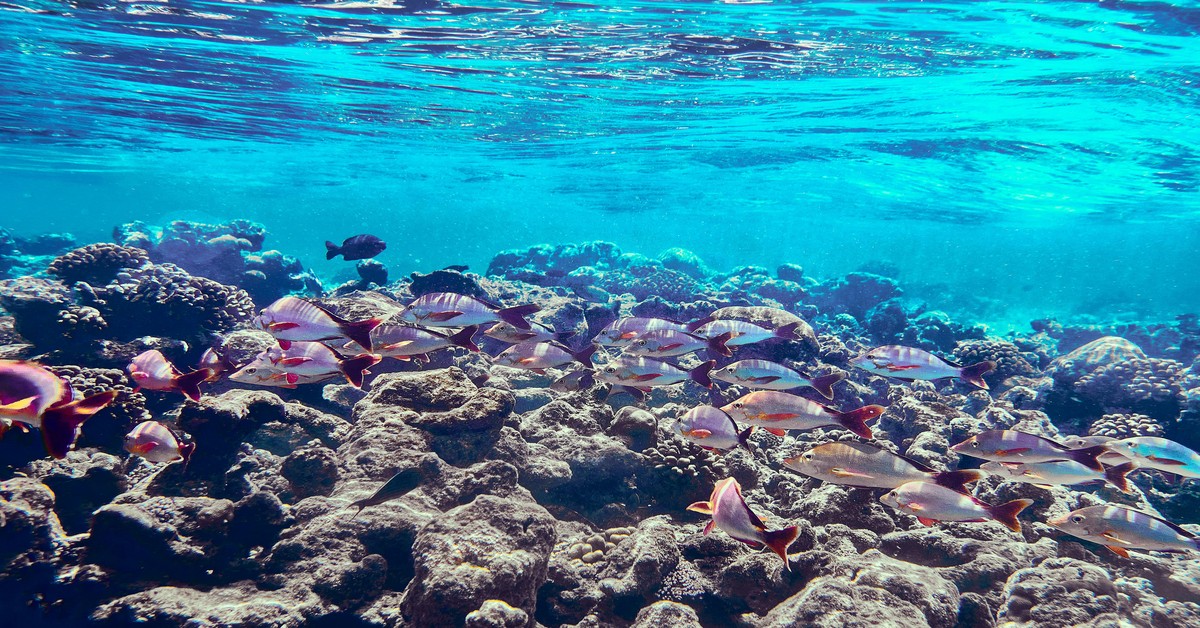
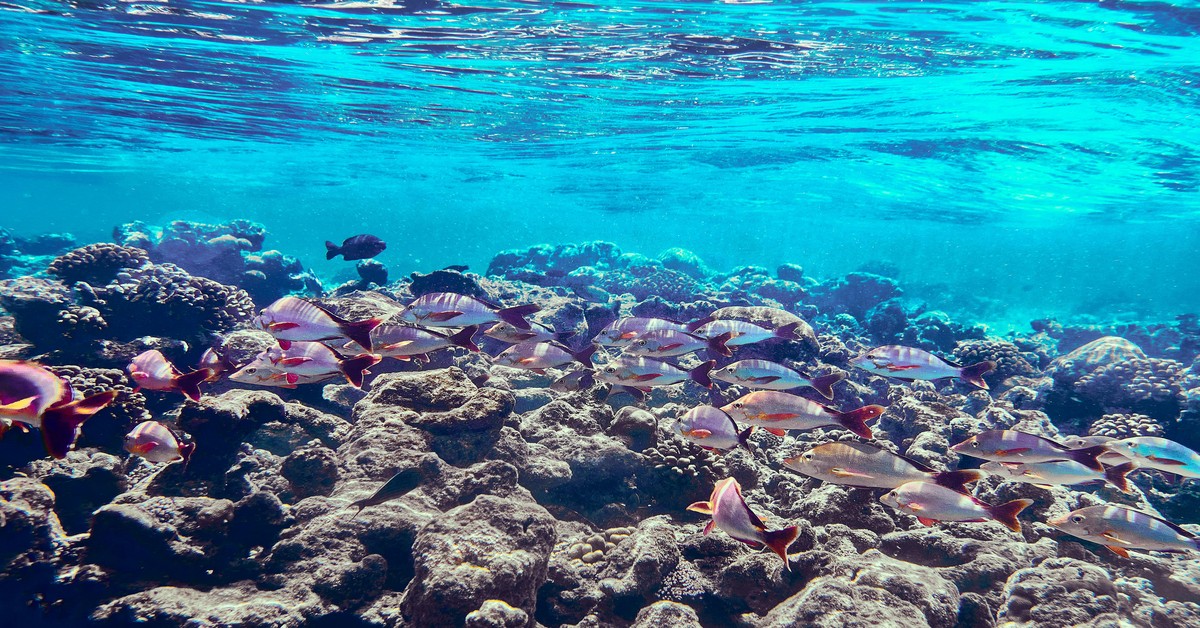
Common catches on the reef include emperor fish, snapper (including red snapper), grouper, and triggerfish. These are steady targets for intermediate spearfishers. Average size is around 2 to 4kg. Larger specimens exist but require more effort. On blue water grounds, you’ll find wahoo, kingfish, and tuna (skipjack and small yellowfin). These are harder to approach and need good technique and some luck.
Don’t expect trophy hunting like the South Pacific. An average session will produce a few quality table fish. If you’re after a 50kg dogtooth tuna, you’re in the wrong place. Most lodges will clean and prepare your catch, often grilling it for dinner. That’s a nice perk. If you’re in self-catering accommodation, have a plan for storing and cooking your fish. A small cooler with ice is essential.
Safety and Health Considerations
Safety comes first. Current awareness is the single biggest factor. East coast currents are real. If you’re not comfortable in currents or haven’t practiced holding your breath while swimming against a moderate current, get a guide who knows slack tides. Crocodiles are present in some mangrove areas, especially near river mouths. It’s rare, but don’t assume it’s impossible. Avoid diving near mangrove outflows.
Water quality is generally good, but avoid diving within 24 hours of heavy rain, especially near agricultural runoff. Dehydration is a bigger risk than you think. You lose a lot of fluid in salt water, and the sun is intense. Drink plenty of water before and after the dive. A 3mm wetsuit helps with sun protection. Use reef-safe sunscreen on your face and neck. Hospital access on smaller islands like Pemba is limited. Zanzibar Town has a decent hospital, but for serious issues, you’d be evacuated to Dar es Salaam. Travel insurance that specifically covers spearfishing (not just scuba diving) is mandatory. I use World Nomads for this.
If you’re going independent on the east coast, pick up a satellite communicator like a Garmin InReach. Cell service drops the further you get from main villages. A simple SOS button could save your life.
Putting It All Together: Sample 7-Day Itinerary
Here’s a practical itinerary that balances logistics, hunting, and sightseeing. Day 1: Arrive at ZNZ, transfer to Stone Town. Settle in, get your permits (or have your guide do it), and do a gear check. Day 2: Morning guided reef hunt on the east coast. Spend the afternoon relaxing, reviewing the day’s lessons, and prepping gear for the next session. Day 3: Full-day independent session on the east coast. If you’re not ready for solo, repeat with the guide. Day 4: Rest day. Explore Stone Town, visit the market, or do a spice tour. Day 5: Blue water trip to Pemba or offshore for pelagics. Most expensive day but most rewarding. Day 6: Final morning session on the reef. Afternoon gear cleaning and packing. Day 7: Transfer to airport and depart.
Estimated costs for this itinerary: flights aside, expect $100 to $150 per day for accommodation (mid-range), $150 to $300 per day for guided trips, and $50 for permits. A full week with guide and accommodation can run around $1500 to $2500 total, excluding flights. It’s not cheap, but it’s a solid, well-planned trip. Ready to book? Start with a guided day trip to get your bearings. Check rates and availability directly with a spearfishing lodge for a package quote.