Spearfishing in the Red Sea: Egypt’s Best Dive Sites
Why the Red Sea Is a Top Spearfishing Destination
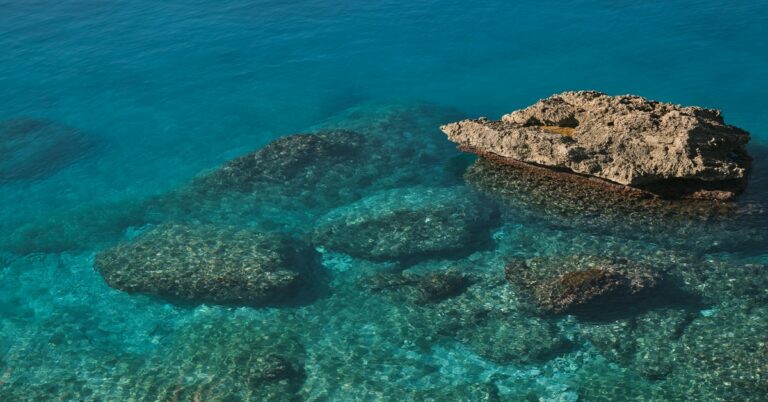
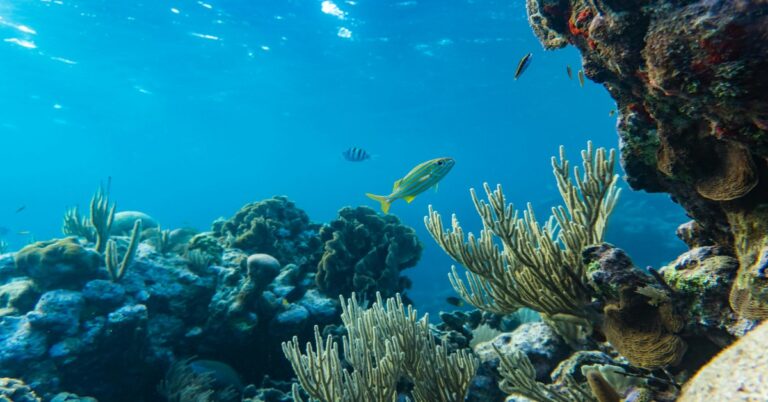
The Red Sea has built its reputation on two things: water clarity that borders on the surreal, and an abundance of fish that keeps spearfishers coming back. Visibility regularly sits between 30 and 50 meters, which means you spot your target long before it spots you. Water temperatures range from 22°C in winter to 28°C in summer, making a 3mm wetsuit the standard year-round choice.
The Red Sea’s visibility spoiled me for life. You can see fish coming from 100 feet away — if you know where to look.
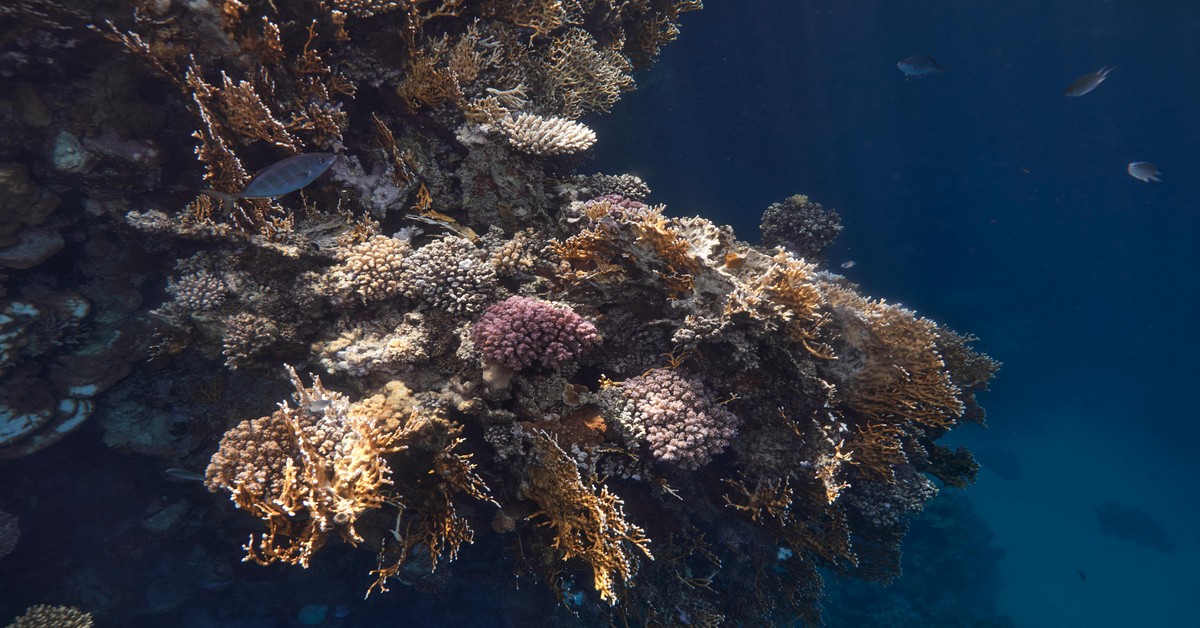
What matters more to spearfishers is the species mix. Dogtooth tuna, yellowfin tuna, kingfish, amberjack, and several grouper species are all present in huntable numbers. The reef systems are extensive, with drop-offs that push pelagics close to shore. That combination of accessible structure and open-water species is rare.
There are downsides worth acknowledging. The northern tourist zones around Hurghada and Sharm el-Sheikh are crowded, and the best shore diving spots near those towns get pressured. You also need to work within strict regulations—more on that below. But for spearfishers willing to plan carefully, the Red Sea remains one of the most productive hunting grounds in the Eastern Hemisphere.
The sections that follow break down specific sites, the gear that makes sense for each, and the logistics of booking a trip that actually works.
Legal Requirements: Spearfishing Rules in Egypt
Egypt enforces its spearfishing regulations seriously, and ignoring them can cost you your gear or worse. This is not a place to push boundaries.
Permits. You need a permit from the Egyptian Ministry of Tourism, usually arranged through a local dive shop or guide. Most reputable operators include this in their package. If you book a liveaboard, the operator typically handles it. Expect to pay a fee of around $50–$100 USD depending on the length of your stay.
Banned areas. Marine parks are off-limits. This includes Ras Mohammed National Park near Sharm el-Sheikh and the entire area around the Brothers Islands. Spearfishing near Dolphin Reef at Marsa Alam is also prohibited. Violating these zones can result in fines starting at $500 USD and confiscation of your equipment.
Prohibited species. Napoleon wrasse, turtles, and all species of shark are strictly protected. Bag limits apply to most other species, typically two to three fish per person per day depending on the species. Your guide will brief you on current limits, which change periodically.
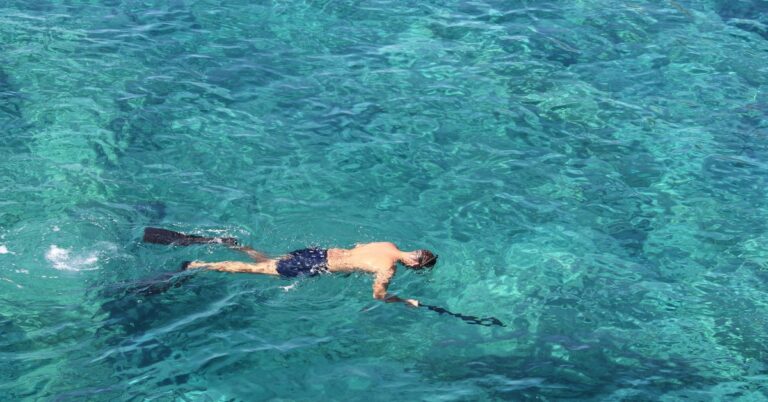
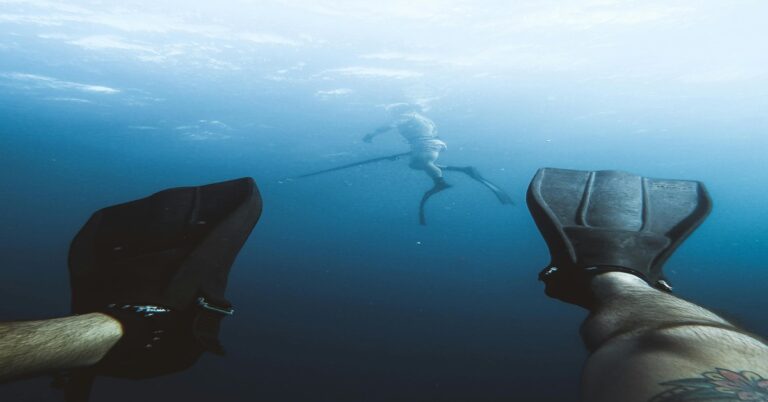
Gear restrictions. Scuba spearfishing is illegal in Egypt. You must be freediving. Spearguns are legal, but pole spears are preferred by some operators. A dive float with a flag is mandatory—coast guard patrols check for this. Travelers who need a reliable float should consider a durable model like a spearfishing float with flag that won’t deflate easily. Pack a spare float if yours gets damaged.
My advice: work with a local guide for at least the first few days. They know the current regulations, the no-take zones that shift seasonally, and which local shops can issue permits quickly. Arriving without a plan on the permit front is the most common mistake I see.
Best Spearfishing Sites in the Red Sea: A Curated List
The following sites made this list because they offer consistently good hunting, legal access, and realistic logistics for visiting spearfishers. Each entry includes difficulty level, best season, and target species so you can match a site to your skill set and goals.
1. Marsa Alam: The Southern Gem
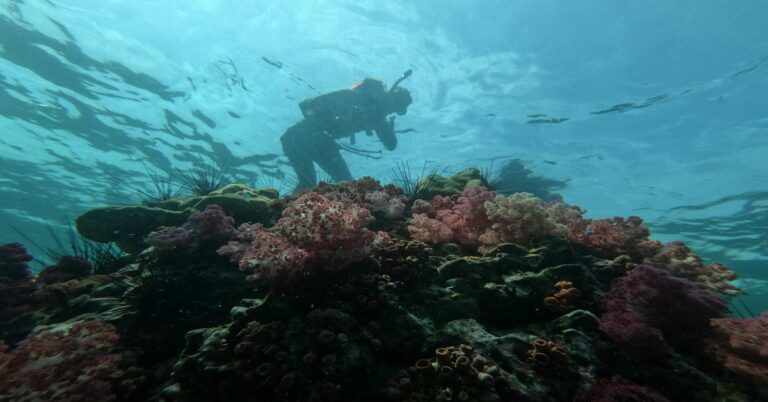
Marsa Alam sits south of Hurghada, far enough from the main tourist corridor that reefs remain less pressured. The area is known for strong currents that push pelagics straight into shore-accessible sites. This is not a place for beginners—you need to be comfortable in current and able to hold your depth against drift.
Target species: Dogtooth tuna, amberjack, red sea grouper, and occasional kingfish.
Best months: May through September. Water temps hit 28°C, and visibility peaks.
Logistics: Fly into Marsa Alam International Airport. Accommodation options include ecolodges like Marsa Shagra and Marsa Nakari, which offer shore diving packages that include direct reef access. These lodges are not luxury hotels—they are functional dive bases with basic rooms, good food, and excellent guiding. Book these well in advance because the good operators fill up by March.
Best for: Experienced spearfishers who can handle current and want to chase larger pelagics without booking a liveaboard.
Mistake to avoid: Don’t assume every reef south of Marsa Alam is open for spearfishing. Some are part of protected zones. Stay with a guided program until you know the area.
2. Daedalus Reef: Offshore Pelagic Hunting
Daedalus Reef is the offshore destination for serious spearfishers. It sits roughly 80 kilometers offshore, accessible only by liveaboard. The reef drops into deep water quickly, which brings large pelagics right up against the structure.
Target species: Yellowfin tuna, wahoo, giant trevally, and dogtooth tuna. This is trophy territory.
Difficulty: Advanced. You will be hunting at depths of 20 to 30 meters, often in current. Strong freediving skills are essential.
Best months: June through October. Weather is more stable, and liveaboard operators run regular trips.
Logistics: Liveaboard operators such as Emperor Divers and Blue O Two run trips that include Daedalus. Book six to eight months ahead. Prices start around $1,200 USD for a week, including meals, guiding, and permits. Frequent users may benefit from a dive computer for freediving that tracks depth and time accurately; current can push you deeper than you plan.
Best for: Experienced freedivers who want to target large pelagics and are comfortable on a liveaboard for a week.
tip: Pack a compact travel speargun in the 90–110cm range. Longer guns are harder to maneuver on a liveaboard, and the reef structure at Daedalus doesn’t require super long reach.
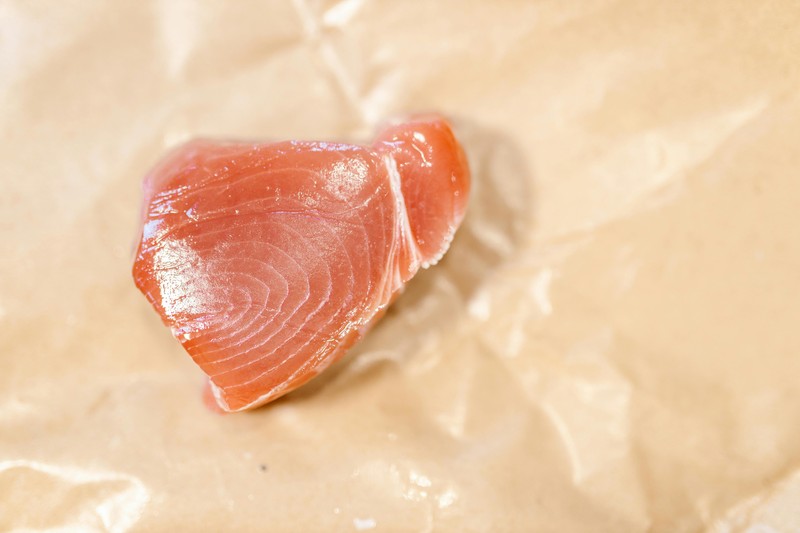
3. El Quseir: Quiet Shore Diving
El Quseir sits between Hurghada and Marsa Alam and remains notably under-visited. The fringing reefs start close to shore, and you can walk in from the beach at several points. This is a good option for intermediate spearfishers who want a budget-friendly trip without crowds.
Target species: Parrotfish, snapper, emperor fish, and smaller grouper. Trophy hunters may be disappointed, but the volume of fish is solid.
Best months: April through November. Winter can bring wind that reduces visibility.
Logistics: Accommodation is limited to small hotels and guesthouses. Expect basic rooms and local food. For gear, a 75cm to 90cm speargun is appropriate here because the reefs are tighter and longer guns are awkward.
Best for: Spearfishers on a budget or those who want to avoid the packed northern sites. Good for building reef hunting skills.
Warning: Some reefs near El Quseir are protected. Hire a local guide from a shop like Mosaic Dive Center to ensure you stay in legal areas.
4. Sharm el-Sheikh’s Peripheral Sites: Ras Um Sid and Sharm el-Maya
Sharm el-Sheikh itself is synonymous with tourism, but the main draw for divers—Ras Mohammed National Park—is closed to spearfishing. However, peripheral sites like Ras Um Sid and Sharm el-Maya offer legal hunting zones. These are mixed reef and sandy bottom areas that hold grouper and emperor fish.
Target species: Grouper, emperor fish, snapper.
Difficulty: Beginner to intermediate. Current is mild, and depths stay manageable (10–20m).
Best months: November through February, when crowds thin and water temperatures drop to 22°C, which actually improves visibility.
Logistics: Hotel packages with free transfer to shore sites are common. Book a hotel near Naama Bay for easy access. Night spearfishing is illegal anywhere in Sharm el-Sheikh, so plan your hunting for daylight hours.
Best for: Beginners wanting easy shore access and a comfortable base with good restaurants and accommodation.
Practical note: Check with local dive shops for updated no-take zones. The boundaries can shift based on seasonal closures.
Comparison Table: Which Site Is Right for You?
Use this quick comparison to match your goals with the right location.
- Marsa Alam: Advanced difficulty, May–Sep, dogtooth tuna and amberjack, shore diving, best for experienced hunters wanting pelagics without a liveaboard.
- Daedalus Reef: Advanced difficulty, Jun–Oct, yellowfin tuna and wahoo, liveaboard only, best for trophy hunters with strong freedive skills.
- El Quseir: Beginner–intermediate difficulty, Apr–Nov, parrotfish and snapper, shore diving, best for budget travelers and skill building.
- Sharm el-Sheikh (peripheral sites): Beginner–intermediate difficulty, Nov–Feb, grouper and emperor fish, shore diving, best for beginners wanting comfortable accommodation.
If you want trophy pelagics, Daedalus is your answer. If you’re a beginner on a budget, El Quseir will serve you well. If you need comfortable shore access with moderate hunting, Sharm el-Sheikh’s peripheral sites work. For experienced hunters who want shore-accessible larger fish, Marsa Alam is the sweet spot.
See the gear section below for essential items tailored to each site.
Essential Gear for Spearfishing in the Red Sea
Red Sea conditions are specific enough that general spearfishing gear won’t always cut it. Here is what I carry, with reasoning for each item.
- High-visibility mask: The sun is intense. A mask with a darker or mirrored lens reduces glare when surface swimming. Brands like Cressi and Mares make good options. Travelers who need a reliable option can look for high visibility spearfishing masks online.
- Lightweight wetsuit (3mm or 5mm with hood): Water temps hit 28°C in summer, but thermoclines at depth can drop to 22°C. A 3mm full suit works for most. Add a 5mm hooded vest for liveaboard trips where you spend all day in the water.
- Tropical fins: Shorter, stiffer fins designed for reef maneuvering. Long-blade fins are overkill and cumbersome in tight reef structures.
- Reliable dive knife: Reefs are sharp, and you will get tangled in fishing line at some point. A knife with a blunt tip is safer but still effective for cutting line.
- Dive float with flag: Required by law. Get a durable model that won’t deflate quickly.
- Speargun (90–110cm): This range covers most Red Sea hunting. Shorter for reef work, longer for open-water pelagics. If you bring only one, go 100cm.
- Pole spear: Optional but useful for targeting smaller species without scaring off larger ones.
Troubleshooting tip: Pack a spare weight belt. Weights get lost on liveaboards more often than you’d expect. A backup belt saves you from wasting a day hunting underweight.
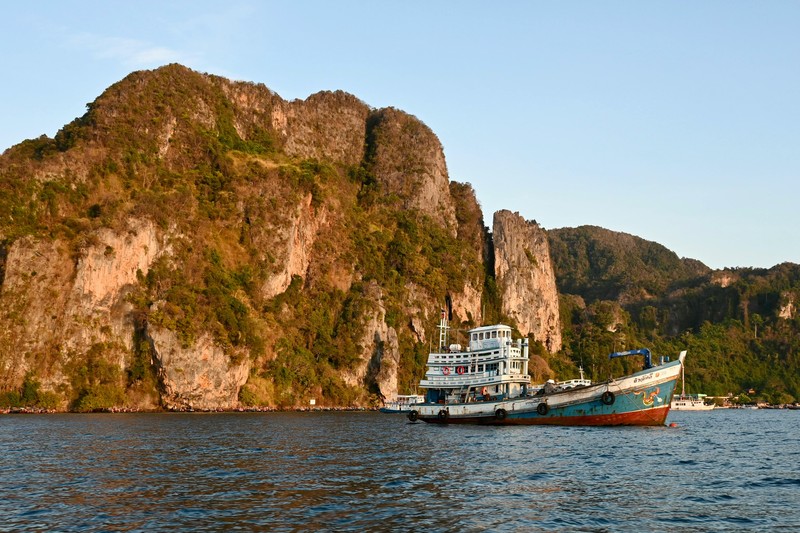
For specific product recommendations, you can check high-visibility spearfishing masks and dive floats with flag.
Common Mistakes Spearfishermen Make in Egypt
These errors come up repeatedly, and avoiding them will save you money, gear, and legal trouble.
- Not securing permits beforehand. Many spearfishers assume their operator will handle it automatically. Confirm at least a week before you travel. Email your dive operator directly and ask for confirmation of permit status.
- Ignoring protected areas. The boundaries of no-take zones are not always obvious from the water. Use GPS coordinates from your guide and avoid straying. A fine for entering Ras Mohammed can exceed $1,000 USD.
- Using scuba gear for hunting. This is illegal and dangerous. Stick to freediving. If you want to use a tank, go to a different country.
- Leaving gear on the beach. Theft happens. Store spearguns, fins, and masks in your hotel safe or locked room. Do not leave them unattended while you grab lunch.
- Forgetting a float with flag. Coast guard patrols check for this. The fine is about $200 USD, and they will confiscate your gear until you pay.
Practical solution: email your dive operator a week before to confirm permits. Store gear in your hotel safe when not in use. And always, always deploy your float.
How to Book Your Spearfishing Trip: A Step-by-Step Plan
- Choose a site based on skill level. Refer to the comparison table above. Match your experience with the difficulty rating of each site.
- Book accommodation with shore diving access. For Marsa Alam, look at ecolodges like Marsa Shagra. For liveaboards to Daedalus, check Emperor Divers or Blue O Two. Book at least six months ahead for liveaboards.
- Arrange permits through a local guide. Most lodges and operators handle this. Confirm in writing before you arrive.
- Pack your gear. Use the checklist in the gear section. Pack a backup mask and fin strap—small items that break easily.
- Get travel insurance that covers spearfishing. Not all policies do. Providers like DAN offer specialized spearfishing coverage. Check that your policy covers evacuation and repatriation.
Ready to book? Check current liveaboard rates for Daedalus Reef or book your Marsa Alam ecolodge stay now.
Final Tips for a Successful Red Sea Spearfishing Trip
Respect local laws. They exist to protect the reefs and the fishery, and compliance ensures spearfishing stays legal in Egypt. Bring a backup mask and fin strap. Learn basic Arabic phrases like “shukran” (thank you) and “bass khalas” (enough) for communicating with boat captains.
Budget for tips—tipping is customary in Egypt. A 10–15% tip for guides and boat crew is standard.
Plan ahead, respect the regulations, and you will hunt some of the best water in the world.
Ready to plan your trip? Use the links above to compare tours and gear.
Planning your Red Sea trip? Make sure your gear is dialed in before you fly. Check out travel-ready gear bags for international spearing trips.