Custom Wooden Spearguns: Are They the Pinnacle of Design?
What Defines a Custom Wood Speargun?
A custom wood speargun starts as a block of timber and becomes a tool shaped to a single diver’s body and hunting style. Unlike production guns molded from fiberglass or machined from carbon fiber, a wooden gun begins with a stock hand-shaped by a builder. The handle geometry, trigger reach, and length are all specific to the diver who ordered it. This is not a “one size fits most” piece of gear — it is a personal instrument.
“Custom” in this context means the builder has adjusted the gun’s dimensions to your hand size, arm length, and the species you hunt most. A 120cm open-water gun feels wrong on a reef, and a 75cm cave gun is useless for blue-water tuna. The builder’s skill determines the balance, the track alignment, and how well the gun tracks at speed. Even the best wood stock is useless with poor shaping or a sloppy trigger mech. The baseline for any custom wood spearguns review is that the builder’s expertise matters as much as the material.
The Allure of Exotic Hardwoods: Teak, Padauk, and Wenge
Wood choice is the first negotiation between aesthetics and function. Each species brings different weight, buoyancy, and maintenance requirements. There is no perfect wood, only trade-offs.
Teak
Teak is the classic choice. It resists rot well even in saltwater, has a warm golden-brown look, and absorbs oil nicely. Its density sits around 650 kg/m³, which gives neutral to slightly negative buoyancy once rigged. The downside is that teak requires regular oiling. If you skip maintenance, it dries out and cracks. Also, teak is not the stiffest wood, so very long guns can flex under heavy band loads. For most divers, teak remains the safest recommendation because it balances workability, durability, and forgiveness.
Padauk
Padauk is heavier and stiffer than teak. It gives a gun a solid feel that absorbs recoil well. The deep orange-red color darkens with oil, and the density (around 750 kg/m³) produces a slightly negative gun that sinks. Beginners sometimes dislike the extra weight during long swims. Padauk also bleeds red color when wet, especially in the first few dips. This stains wetsuits and boat decks. If you go with padauk, expect a seasoning period where the gun releases pigment. The trade-off is a very stable, accurate platform for larger fish.
Wenge
Wenge is a dark, dense wood from Central Africa, around 870 kg/m³. It is almost as heavy as some hard plastics and extremely impact-resistant. A wenge gun feels like a solid billet — heavy, but very stable under recoil. It is not ideal for long swimming because the weight tires your arms. Best use is for short, powerful guns in close-cover hunting where you need to stop a fish fast. The wood is also splintery when dry, so sealing is critical. Wenge is a specialist’s choice, not a generalist’s.
Wood choice affects more than appearance. A builder will consider buoyancy, swing weight, and how the wood interacts with band stretch. If you plan to dive on a reef with lots of swimming, stick with teak. If you are building a dedicated tuna gun, padauk or wenge gives the stability you need.
Design Spectrum: Euro-Style vs. Mid-Handle vs. Roller
The same wood stock can be shaped into three distinct philosophies. Each works best in a specific environment. Understanding the differences saves you from ordering a gun that fights the conditions you dive most.
Euro-Style (Rear Handle)
The classic Mediterranean design. The handle sits at the rear, the barrel extends forward. This layout gives a long sight line and low recoil because the force pushes straight back into your shoulder. Euro-style guns excel in open water — treelines, blue water, and large open reefs where you have time to aim. The length helps accuracy, but the gun is less maneuverable in tight spaces. It is the standard choice for most spearfishers because it works well across many environments with minor length adjustments.
Mid-Handle
Popular in Australia and South Africa. The handle sits near the midpoint of the gun, and the band is at the front. This shifts the balance point closer to your hand, making the gun feel shorter than it actually is. Mid-handle guns shine in caves, wrecks, and heavy structure where you need quick pointing without snagging the barrel. The trade-off is more felt recoil because the force acts through a pivot point closer to your grip. You also have a shorter effective range compared to a euro-style gun of the same length. Mid-handle is ideal for divers who hunt reef edges and caves regularly.
Roller Guns
A roller setup uses bands that wrap around a pulley at the muzzle, doubling the band stretch. This gives high power without increasing the gun’s length. Roller guns are especially useful when you want blue-water power in a compact package — for chasing pelagics from a kayak or diving on deep drop-offs where carrying a 130cm gun is awkward. The downside is increased complexity. Roller bands require careful tuning, and the muzzle design must be robust enough to withstand the load. Not all custom builders make roller guns well. If you go this route, vet the builder’s experience with roller systems specifically.
Key Performance Factors: Accuracy, Recoil, and Loading Effort
Performance boils down to three connected variables. Changing one affects the others. Understanding the relationship helps you prioritize based on your typical dive.
Accuracy
Longer barrel and an enclosed track are the two biggest contributors to accuracy. A long sight radius makes it easier to align the shot. An enclosed track holds the shaft in a groove, preventing lateral drift during release. Custom wood guns often have a fully enclosed track, which is rare in production guns. The trade-off is that enclosed tracks are harder to load because the shaft must slide cleanly through the groove. With dirty bands or salt buildup, loading becomes frustrating. If you value accuracy above all, look for a builder who does an enclosed track well.
Recoil
Recoil is managed by weight and stock shape. A heavier gun absorbs more kick, but it also swings slower. Thick, dense wood like padauk or wenge dampens recoil naturally. A well-shaped handle that fits your hand also reduces perceived recoil by distributing the force. If you hunt fish that require multiple quick shots (coral trout, snapper), you want moderate recoil to stay on target. If you hunt large single targets (dogtooth tuna, GT), you can accept more recoil because you will not fire again immediately.
Loading Effort
Thicker bands, shorter stocks, and enclosed tracks all increase loading difficulty. A 120cm euro-style gun with three 16mm bands is manageable for most divers. A 110cm mid-handle with two 18mm bands is more work. Wood guns are heavier than carbon guns of the same band count, so you are also fighting the gun’s weight during the load stroke. If you have average upper body strength or plan to reload quickly, avoid overly stiff setups. A gun that is hard to load will make you skip shots or rush the load.
Reef divers should prioritize quick handling and moderate recoil. Blue-water hunters should prioritize accuracy and power. There is no single “best” setup.
Custom Wood vs. Production Carbon Fiber: An Honest Comparison
If you are considering custom wood, you have probably also looked at carbon fiber production guns. They serve different priorities.
| Factor | Custom Wood | Production Carbon Fiber |
|---|---|---|
| Weight | Heavier, which helps stability but tires arms | Lightweight, easy to carry and swing |
| Feel | Warm, organic, absorbs vibration | Stiff, fast, minimal feedback |
| Repairability | Repairable with wood filler and refinishing | Difficult to repair; delamination is often fatal |
| Cost | Usually $500–$1,200 for a basic custom; high-end can exceed $2,000 | $300–$600 for a reliable mid-range; $800+ for premium |
| Maintenance | Requires regular oiling, avoid UV, check for cracks | Minimal: rinse, dry, store |
| Consistency | Varies by builder and batch | Factory consistency, every gun performs the same |
| Warranty/Support | Builder-dependent; some offer repairs, others do not | Standard warranties from established brands |
Custom wood costs 2–3 times more than a mid-range carbon gun. That price buys personalization, handcraft, and a specific feel — not necessarily better performance. If you are a diver who values the sensation of the gun as an extension of your arm and has the patience for maintenance, wood justifies the cost. If you want a tool that works predictably out of the box and packs for travel, carbon is the smarter choice.
Neither category is universally superior. The right choice depends on your priorities and tolerance for upkeep.
Common Mistakes First-Time Buyers Make
I have seen divers overspend on a wood gun that works against them. These are avoidable with a bit of planning.
Buying Too Long for Your Dives
It is easy to think “I want the most range I can get” and end up with a 130cm gun that seeps into reef ledges and caves. If the majority of your dives are on coastal reefs with moderate vis, a 90–110cm gun is usually enough. Long guns are for open water. Measure your typical shooting distance and ask your builder to recommend length based on that, not on maximum theoretical range.
Choosing Wood Too Heavy for Long Swims
Padauk and wenge look beautiful, but they add significant weight. A 110cm padauk gun can feel heavy after a 90-minute dive with constant swims and mid-water hovering. If you plan to cover a lot of ground, stick with teak or a lighter hardwood. Some builders offer hybrid constructions with a wood stock and a carbon barrel to reduce weight — worth asking about if swim endurance is a concern.
Ignoring Trigger Mech Quality
A custom stock with a poor trigger mech is a waste. Plastic mechs or unreliable designs lead to misfires and dropped shots. Ask your builder what mech they use. European mechs like Mares or custom stainless steel versions are reliable. Avoid low-cost mechs that save the builder money but cost you fish.
Ordering Without a Test Handle
Handle shape is the most personal part of the gun. A handle that does not fit your hand will make the gun feel wrong, even with the best wood and bands. If you can, visit the builder or request a template handle to test. If not, communicate your hand width and grip preference clearly. A palm swell for a large hand versus a narrow grip for small hands makes a real difference during long holds.
Neglecting Shipping and Customs Costs
Many custom builders are small operations in Europe, South Africa, or Australia. Shipping a wooden gun internationally can cost $100–$200, and customs fees may add another 10–20%. Factor this into your budget. Some builders will ship unfinished to reduce import complexity, but that moves the finishing work to you. Get a full delivered quote before committing.
The Build Process: What You’re Actually Paying For
When you pay $800 for a custom wood speargun, the material cost of the wood is maybe $80–$150. The rest is labor, skill, and time. Understanding that helps you appreciate the price and know what to expect from the builder.
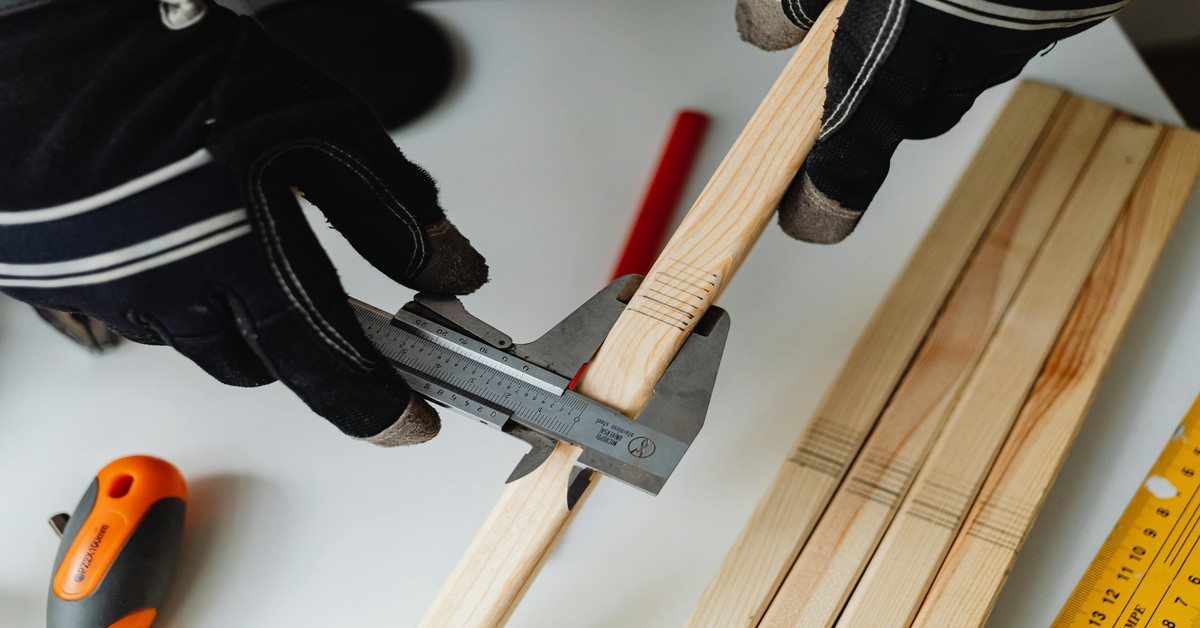
A typical build takes 20 to 60 hours depending on complexity. The builder starts by selecting a board with straight grain and no knots. They shape the stock with a bandsaw and then spend hours with a spokeshave and sandpaper refining the contours. The barrel track is routed, the handle area is shaped, the band slot is cut, and the trigger mech housing is milled. Sealing the stock requires multiple coats of oil or varnish with curing time between coats.
Many builders offer custom handle grips — palm swells, finger grooves, thumb rests. This is where the gun becomes truly yours. A good builder will ask for a tracing of your hand and adjust the grip to match. This level of personalization is impossible in a production line. It also adds cost. A basic stock shape might take 20 hours; a full custom handle with wood inlays and ergonomic shaping can take 40+ hours.
The trigger mech installation is the most critical precision work. If the trigger is misaligned even slightly, the gun will not fire consistently or may misfire at inopportune moments. Quality builders use jigs and test-fire each gun before shipping. That test-fire stage also reveals any track alignment issues or band problems. You are paying for that inspection, not just the assembly.
Who Should Buy a Custom Wood Speargun?
Custom wood works best for specific diver profiles. If you match one of these, the investment makes sense.
- Experienced divers who have tried production guns and want a specific handling feel — a particular trigger reach, weight distribution, or grip shape.
- Collectors who appreciate the craftsmanship and aesthetic of natural materials. Some divers own multiple wood guns for different species or environments.
- Specialists who hunt a single species in a specific environment — for example, a dedicated blue-water tuna hunter who wants a 120cm enclosed-track gun with a roller setup. The precision of a custom build improves efficiency.
- Divers who are willing to maintain the gun. If you accept the ritual of oiling and storing the gun properly, wood rewards you with decades of use.
If you are still new to spearfishing and developing your preferences, custom wood is a gamble. You might order a gun with a handle you end up disliking or a length that does not suit your evolving style. Build experience with a production gun first, then commission a custom. Anyone starting out may want to look for entry-level spearguns to refine your preferences.
Who Should Stick with Production Guns?
Not everyone needs custom wood. Production carbon fiber and fiberglass guns dominate the market for good reasons.
- Divers who travel frequently and need a gun that packs small and withstands airport handling. Carbon guns are lighter and more impact-resistant than wood.
- Budget-conscious divers who cannot justify spending over $1,000 on a single gun. A Rob Allen, Pathos, or Salvimar gun in the $300–$500 range performs admirably for most reef and blue-water diving.
- Divers who dive infrequently — once or twice a year on holiday. The maintenance commitment of a wood gun is not worth it for occasional use. A production gun requires nothing more than a freshwater rinse.
- Divers who demand immediate availability. Custom builders often have wait times of 6 to 18 months. If you need a gun next month, production is your only option.
Being honest about which category you fall into is a mark of wisdom, not defeat. Many experienced divers own both — a custom wood gun for local dives and a production carbon gun for travel.
Essential Accessories for Your Wooden Speargun
If you do decide to go custom, you will want accessories that complement the gun’s strengths. These solve real problems and extend the gun’s life.
A Good Reel
Wooden guns are often used for larger fish, and a reel gives you line management. Look for a reel with a strong drag and a spool that holds at least 150 meters of line. Brands like Mako, Riffe, and custom builders’ own reels are reliable. Avoid cheap plastic reels that strip gears on the first big fish. A good-quality spearfishing reel costs $60–$150 and is worth the investment.
Padded Gun Bag
Wooden stocks scratch and dent easily if tossed in a boat without protection. A padded gun bag with a stiff spine prevents dings during transport. Look for a bag with a strap so you can carry the gun hands-free. Some bags have a sleeve for the shaft. This is a simple accessory that protects your investment. Expect to spend $40–$80 on a padded speargun bag.
Open-Cell Bands
Open-cell rubber provides better power and abrasion resistance than closed-cell alternatives. They require a specific loading technique and more frequent replacement, but they give you more performance per pound of rubber. Stock up on a set of speargun bands in your gun’s recommended length and thickness. This is a consumable, not a one-time buy.
Spare Shaft with Different Tip
A single shaft is limiting. If you hunt both reef fish and pelagics, carry a shaft with a flopper for general shooting and a slip tip for larger fish. The slip tip sets deeper and holds better in bony heads. A spare shaft also saves the dive day if you bend or break the primary shaft. Shafts cost $40–$100 depending on length and diameter.
Maintenance and Care: Keeping Your Investment Alive
A custom wood gun rewards regular care. Neglect it, and the wood dries, cracks, or warps. Treat it right, and it outlasts multiple production guns.
After Every Dive
Rinse the gun with freshwater immediately after the dive. Do not leave it in direct sunlight on the boat. Salt crystals that dry into the wood grain attract moisture and cause swelling. Dry the gun with a towel and store it in a cool, dry place. If you have an enclosed track, flush water through it to remove salt and sand.
Oil the Stock
Teak oil or tung oil keeps the wood sealed and prevents water absorption. Apply a light coat every few weeks or whenever the wood starts to look dry. Some builders recommend a specific oil — use that. Avoid varnishes or polyurethane finishes that trap moisture. Oiled wood “breathes” and moves with humidity.
Check for Cracks
Inspect the stock for small cracks, especially around the band slot and trigger mech housing. Early cracks are repairable with wood filler and refinishing. Ignored cracks spread and compromise the gun’s integrity. If you see a crack, stop using the gun and consult the builder or a local repair specialist.
Season a New Gun
A new wood gun should not be used immediately in saltwater. Let it acclimate to the local humidity for a week in your home. Apply the first coat of oil and let it cure for 48 hours. Then take the gun on a test dive in shallow water to check buoyancy and seal integrity. Some builders recommend leaving the bands on the gun during transit to apply constant pressure to the stock to help it settle. Ask your builder for seasoning instructions specific to the wood used.
Final Thoughts: Is the Pinnacle Worth the Price?
Custom wood spearguns are not the best choice for everyone. They require patience, maintenance, and a willingness to invest in personalization. But for the diver who values the feel of a hand-shaped stock, the warmth of natural wood, and the precision of a gun built to their hand, the experience is unmatched.
There is no shortcut to finding the right builder and wood. Do your research. Ask about wait times, trigger mech quality, and handle geometry. Be honest about your diving environment and physical limits. A custom gun built for you will outperform any production gun that is not designed for your body.
If you are ready to experience a gun built just for you, start researching builders today — your next great dive might start with a blank of teak.