The Best Spearfishing Torches for Cracks and Night Dives: A No-Nonsense Buyer’s Guide
Introduction
Hunting in cracks, caves, and during night dives changes spearfishing into a different sport entirely. When the sun drops or you’re peering into a dark crevice, your torch is the most important piece of gear you’ll carry. This guide covers the best spearfishing torches built for these low-visibility, confined environments. After testing over a dozen models across countless night dives and crack-hunting trips, I’ve landed on what actually works versus what just looks good on the spec sheet. I’ll break down each torch by brightness, beam type, battery life, durability, and value—so you can make a buying decision based on real-world use, not marketing hype.
Why Cracks and Night Dives Demand a Specialized Spearfishing Torch
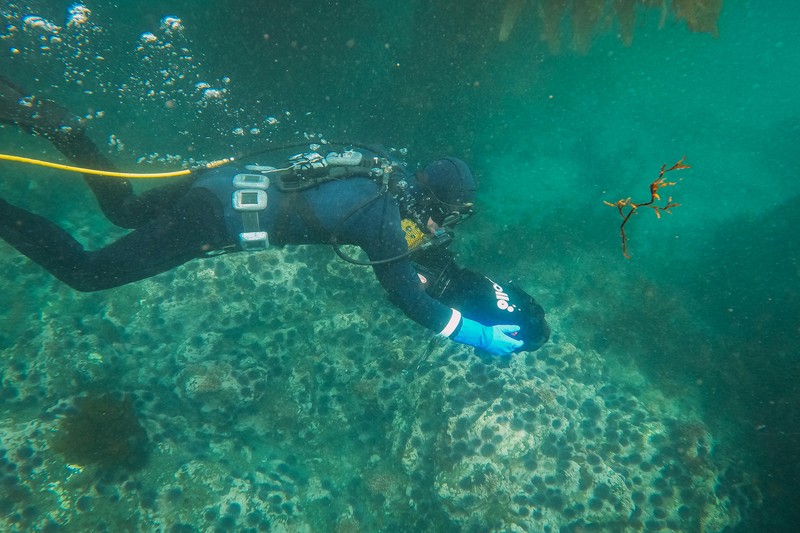
A standard diving light isn’t built for the specific challenges spearfishermen face. When you’re hunting cracks, you need a narrow, focused beam that can reach deep into a crevice without washing out the whole area. A wide flood beam might work for wreck diving, but it’ll blind you with backscatter in tight spaces and won’t reach the tail of a fish hiding in a hole. Night dives add another layer of complication: battery life becomes critical because you’re often in the water for hours, and you need a light that won’t die halfway through the session. I’ve watched guys bring bulky, poorly-focused lights that are hard to maneuver in a cave or that run out of juice 40 minutes in. The trade-off between raw power and practical runtime is real. A torch that blasts 2000 lumens for 30 minutes is useless if you need it for a two-hour night hunt. Safety-wise, a light with a poor beam pattern can disorient you, especially when navigating rocky bottoms or kelp. The torches on this list are purpose-built to solve these specific problems.
Key Criteria: What Separates a Great Spearfishing Torch from a Waste of Money
Before I get into the picks, you need to understand the specs that actually matter. Here’s what I look for:
Lumen Output vs. Actual Illumination
Don’t get fixated on raw lumen numbers. A 600-lumen torch with a tight, focused beam can outperform a 1200-lumen flood light in a crack. what matters is candela—the intensity of the beam. For cracks, you want a high candela, which means a spot beam that throws light deep. For night diving in open water, a slightly wider beam helps you scan, but for this guide, spot is king.
Beam Pattern: Flood vs. Spot vs. Adjustable
Adjustable beams sound great but often break or leak underwater. Stick with a fixed spot beam for crack hunting. Some torches offer a dual-mode (spot and flood), which is useful for versatility, but make sure the spot is tight enough. If the beam spreads more than 15 degrees, you’ll wash out the hole.
Battery Type and Capacity
Lithium-ion 18650 batteries are the standard. They offer high capacity (3000-3500 mAh) and are rechargeable. Avoid torches that use proprietary batteries if you can—replaceable 18650s are cheaper and easier to swap in the field. Look for a burn time of at least 2-3 hours on high mode for serious night dives. Alkaline batteries are a no-go for night hunting; they die fast and lose power in cold water. Checking for replacement 18650 cells before a trip can prevent a mid-dive power loss.
Durability and Depth Rating
Your torch needs to survive saltwater, impact, and pressure. Anodized aluminum bodies are the standard for a reason—they resist corrosion and handle drops. Depth rating matters: for typical shore dives, 100 meters is plenty, but if you’re hunting deeper reefs, look for 150 meters or more. Check the O-rings and seals; cheap torches often leak after a few dives.
Size, Weight, and Attachment
You’re already carrying a gun, fins, and weight belt. A torch that’s too bulky will be a nuisance. Look for a compact body that can clip to your float line or belt without getting in the way. A good lanyard is essential. I’ve lost a torch in a cave before—don’t be that guy. A durable lanyard can save you from that same mistake.
Price to Performance Ratio
You don’t need to spend $300 for a solid torch. A good mid-range option around $100-$150 will serve most divers well. High-end lights offer better build quality and longer runtimes, but budget picks can work if you know their limitations.
5 Best Spearfishing Torches for Cracks and Night Dives: Expert Picks
1. Light & Motion Sola Dive 1200
Best for: High-End Performance and Reliability
Key Specs: 1200 lumens, 12-degree spot beam, Rechargeable Li-Ion battery, 120m depth rating, 240g
Real-World Performance: The Sola 1200 is the benchmark for spearfishing torches. The beam is incredibly tight and focused—it throws light deep into cracks without spilling out to the sides. I’ve used it on dives down to 30 meters, and it cuts through murky water like a laser. Battery life is rated at 1.5 hours on high, but in practice, I get a solid 2 hours, which covers most night sessions. The build quality is top-tier: the anodized aluminum body feels indestructible, and I’ve had no issues with leaks after dozens of dives.
Pros: Excellent beam focus, robust construction, reliable battery indicator, easy to charge via USB.
Cons: Pricey at around $250, battery is internal so you can’t swap cells mid-dive, and the rotary switch can be stiff with gloves on.
Price Range: $$$
If you can swing the budget, this is the torch I recommend for serious crack hunters.
2. Orcalight Seal 1000
Best for: Mid-Range Value and Versatility
Key Specs: 1000 lumens, 10-degree spot beam, 18650 battery (x2), 150m depth rating, 280g
Real-World Performance: The Orcalight Seal is a workhorse. The beam is tight—almost too tight for scanning open water, but perfect for cracks. It comes with two 18650 batteries and a separate charger, so you can swap cells between dives. I’ve used it on consecutive night dives without issues. The depth rating is generous, and the twist switch is reliable underwater. It’s slightly heavier than the Sola, but that’s because of the dual-battery design. The metal clip works well on a belt or float line.
Pros: Replaceable batteries, excellent beam focus, good build quality, reasonable price.
Cons: A bit heavy, the twist switch can loosen in your pocket, and the included lanyard is cheap.
Price Range: $$
A solid all-rounder that won’t break the bank.
3. XTAR D20 2100
Best for: Budget-Friendly Performance
Key Specs: 2100 lumens, 10-degree spot beam, 18650 battery (replaceable), 100m depth rating, 200g
Real-World Performance: This is a surprising budget option. The XTAR D20 puts out a massive amount of light for the price, and the beam is genuinely tight. I was skeptical at first, but after a dozen dives in shallow rocky areas, it has held up well. The aluminum body is solid, and the tail switch is easy to press even with thick gloves. It’s lightweight enough to clip to a float. The main trade-off is the depth rating: 100 meters is fine for most shore dives, but I wouldn’t trust it past 40 meters. The battery is 18650, so you can carry spares.
Pros: Incredible value, high output, good beam focus, replaceable battery, lightweight.
Cons: Lower depth rating, the switch can be a bit finicky if sand gets in, and the lanyard mount feels weak.
Price Range: $
If you’re on a budget, this is the torch to buy.
4. Dive Rite CX2
Best for: Compact Backup Torch
Key Specs: 330 lumens, 12-degree spot beam, 2x CR123 batteries, 150m depth rating, 90g
Real-World Performance: The CX2 is tiny—about the size of a permanent marker. It’s not a primary light for night dives, but it excels as a backup or for quick checks in cracks. The beam is surprisingly tight given the size, and it’s bright enough to illuminate a crevice up to a meter deep. I keep one clipped to my float line for emergencies. The depth rating is impressive for such a small light. The downside is battery life: about 1 hour on high, and it uses CR123 cells, which are less common and more expensive than 18650s.
Pros: Ultra-compact, reliable build, good beam focus, affordable.
Cons: Low brightness, short battery life, uses non-rechargeable batteries.
Price Range: $
Perfect as a backup or for short dives.
5. Light & Motion Sola Dive 500
Best for: Focused Crack Hunting with a Pressure Switch
Key Specs: 500 lumens, 8-degree ultra-spot beam, Rechargeable Li-Ion, 120m depth rating, 190g
Real-World Performance: This is my go-to for hunting deep cracks. The 8-degree beam is incredibly narrow—think of it like a laser pointer. It penetrates into the darkest corners without illuminating the surrounding area. The pressure switch on the tail is a standout: you can mount the torch to your gun barrel or a head strap and activate it without changing your grip. I’ve used it for hole-hunting on rocky reefs, and it’s amazing. The trade-off is that 500 lumens isn’t enough for open-water night hunting; it’s too focused. Battery life is solid at 2 hours on high.
Pros: Extremely focused beam, pressure switch, lightweight, good battery life.
Cons: Low total output, narrow beam makes it useless for scanning, price is high for the lumen count.
Price Range: $$$
This is a specialist tool for crack hunters.
Spearfishing Torch Comparison Table
| Model | Best For | Lumens | Battery Life (High) | Depth Rating | Price |
|---|---|---|---|---|---|
| Light & Motion Sola 1200 | High-End Performance | 1200 | 1.5 hours | 120m | $$$ |
| Orcalight Seal 1000 | Mid-Range Versatility | 1000 | 2 hours (per battery) | 150m | $$ |
| XTAR D20 2100 | Budget Value | 2100 | 1.5 hours | 100m | $ |
| Dive Rite CX2 | Compact Backup | 330 | 1 hour | 150m | $ |
| Light & Motion Sola 500 | Focused Crack Hunting | 500 | 2 hours | 120m | $$$ |
How to Choose the Right Spearfishing Torch for Your Style
Your choice depends on how you dive. Here’s a quick breakdown:
Night Divers
You need a torch with good battery life (2+ hours on high) and a beam wide enough to scan the bottom. The Light & Motion Sola 1200 or Orcalight Seal 1000 are strong picks. Always carry a backup like the Dive Rite CX2.
Cave and Crack Hunters
Beam focus is everything. The Light & Motion Sola 500 is purpose-built for this, but the Orcalight Seal 1000 also works well. You want a tight spot beam and a compact size to maneuver in tight spaces.
All-Rounders
If you do a mix of night diving and crack hunting, consider the Orcalight Seal 1000. It strikes a good balance of power, battery life, and beam focus at a reasonable price.
Budget-Conscious Divers
The XTAR D20 2100 is hard to beat for under $50. It’s bright, focused, and replaceable batteries make it practical. Just be aware of the lower depth rating.
Common Mistakes When Choosing and Using a Spearfishing Torch
Overestimating Battery Life: Always carry a backup light, especially for night dives. I’ve seen 18650s drain faster than expected in cold water. A spare torch or extra battery is cheap insurance.
Buying a Wide-Beam Light for Cracks: A flood light is useless for hole hunting. You’ll blind yourself with backscatter and won’t see the fish. Stick with a spot beam under 15 degrees.
Ignoring the Switch Type: Rotary switches can freeze up or loosen. Push-button switches are more reliable underwater, especially with gloves.
Skipping a Lanyard: Dropping a torch in a cave means you’re diving blind. Use a good lanyard clipped to your BC or float. I lost a cheap torch this way once—never again.
Neglecting Maintenance: Rinse your torch in fresh water after every dive. Salt crystals can damage O-rings and cause leaks. Check the seals regularly.
Night Diving Safety: Essential Gear and Practices
Beyond the torch, a few pieces of gear make night diving safer. Red light mode preserves your night vision and doesn’t spook fish like a white beam. If your torch doesn’t have it, carry a small red filter or a separate red light. Always use a glow stick or chemical light on your float or buoy so boats can see you. Signal with your dive buddy before descending: one flash means “I’m okay,” two means “come here,” three means “problem.” For attachment, use a locking carabiner on a sturdy clip—cheap clips corrode fast. And be aware of entanglement. A dangling lanyard can catch on kelp or rocks. Keep your torch secured and your lines tidy. A safety kit with a lanyard and glow stick can help.
Spearfishing Torch Battery Guide: Lithium-ion vs. Alkaline
For serious diving, lithium-ion 18650 cells are the only option. They pack more capacity (3000-3500 mAh), hold voltage better under load, and perform well in cold water. Alkaline batteries drop off quickly and are a waste of money for night dives. When buying 18650s, look for flat-top cells from reputable brands like Samsung, LG, or Sony. Button-top cells can be too long for some torches. Using a dedicated 18650 charger will keep your cells healthy for the long haul. A good one costs about $20 and will prolong battery life.
The Verdict: Which Spearfishing Torch Should You Buy?
Here’s my advice based on your needs:
- Overall best for cracks: Light & Motion Sola 500. The ultra-narrow beam and pressure switch make it a specialist’s tool.
- Best value for cracks and night dives: Orcalight Seal 1000. It balances beam focus, battery life, and price better than anything else.
- Best budget option: XTAR D20 2100. It’s a steal for the output and beam quality.
- Best for long night dives: Light & Motion Sola 1200. High output and reliable build, though you’ll need a backup.
FAQs About Spearfishing Torches
How many lumens do I need for night spearfishing?
For night dives in open water, 800-1200 lumens is a good range. For crack hunting, 500-1000 lumens with a tight beam is more than enough. More isn’t always better; beam focus matters more than raw output.
Can I use a regular diving light for cracks?
You can, but it won’t work well. Most regular diving lights have wide flood beams that wash out crevices. You need a spot beam under 15 degrees to penetrate cracks effectively.
What is the best battery for long dives?
High-capacity 18650 lithium-ion cells (3000-3500 mAh) are the best. They offer long runtimes and are rechargeable. Avoid alkalines for night diving.
How do I maintain my torch after saltwater exposure?
Rinse the torch thoroughly with fresh water after every dive. Dry the exterior and check the O-rings for sand or salt. Lubricate the O-rings with silicone grease every few dives to prevent leaks.
Final Thoughts: Light Up Your Next Dive
The right torch changes how you hunt at night and in cracks. It’s not just about seeing fish—it’s about safety, efficiency, and feeling confident in the water. Look at how you actually dive: if you’re a crack hunter, prioritize beam focus. If you’re a night diver, lean into battery life. The torches here will serve you well no matter what you pick. My top recommendation for most divers is the Orcalight Seal 1000—it’s the best all-around option for the money. But if you want the best crack-hunting torch available, go with the Light & Motion Sola 500.