Carbon vs Fiberglass Spearfishing Fins: Which Material is Right for You?
Introduction
If you’re getting into spearfishing, the carbon vs fiberglass fin decision comes up pretty quickly. It’s not about brand names or how gear looks in photos. The material of your spearfishing fins carbon fiberglass changes how much energy you use, how you move underwater, and how long your gear lasts. This article covers both materials in practical terms — performance, durability, cost, and the real tradeoffs. There isn’t one right answer. The best fin depends on your diving style, the conditions you dive in, and what you’re willing to spend. If you’re thinking about upgrading or buying your first proper set, this should help you make a confident choice.
After switching between carbon and fiberglass blades across dozens of dives, I’ve learned what makes each material shine.
The Core Difference: Material Properties and How They Affect Diving
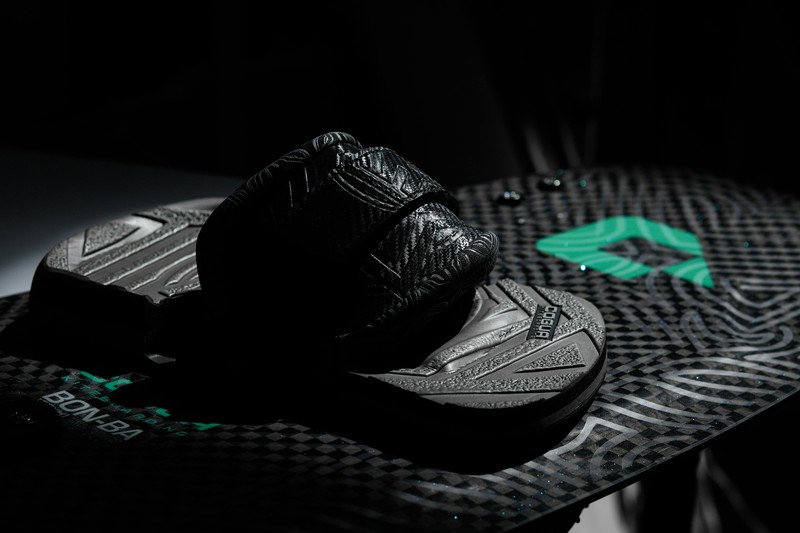
Let’s get the technical stuff out of the way first. Carbon fiber fins use woven carbon sheets bonded with resin. That makes the blade very stiff for its weight. When you kick, the blade resists bending. Once it does flex, it snaps back hard and releases that stored energy as forward thrust. That’s the “spring effect” you hear about.
Fiberglass fins use glass fibers in a resin matrix. Fiberglass is heavier and less stiff than carbon at the same thickness. It bends more easily and returns energy more slowly. The feel is softer and more forgiving. For a newer diver, fiberglass feels predictable. For an experienced diver, it can feel dull. Neither is bad. They just behave differently underwater. The blade’s flex pattern and stiffness are what you actually feel, not the material name itself. A soft carbon fin can feel similar to a medium fiberglass fin. The material sets the potential, but the layup determines the reality.
Performance and Energy Transfer: Carbon’s Advantage
The main reason experienced spearfishermen switch to carbon is efficiency. A stiff carbon blade stores more energy during the downstroke and releases it during the upstroke. You need less effort per kick to maintain the same speed. That really matters on long surface swims, blue water hunting where you cover hundreds of meters in a session, or when you need a burst of power against a current on a deep drop.
But there’s a catch. Carbon fins reward a smooth, long, deliberate kick. If you kick with short, choppy movements, you never load the blade properly and waste energy. Many divers buy carbon fins and feel no difference at first because they haven’t adjusted their technique. Fiberglass is more forgiving of messy form. If your kick is still developing, fiberglass will feel more comfortable. Divers who want to experiment with different flex patterns might consider trying a set of carbon fiber spearfishing fins to test the feel themselves. Just don’t expect magic. Going from a cheap fiberglass fin to a high-end carbon fin is a noticeable upgrade. Going from a decent fiberglass fin to an entry-level carbon fin is a smaller jump. Know what you’re buying.

Durability and Abuse Tolerance: Fiberglass’s Strength
This is where fiberglass wins clearly. Carbon fiber is strong in tension but weak under point impact. Drop a carbon blade on a rock, hit it against a boat gunwale, or step on it in a parking lot — you can cause delamination or a crack that spreads through the blade. Once that happens, performance is compromised, and repair is tough.
Fiberglass is tougher. It handles scrapes, bumps, and the occasional knock against a rock wall without failing. For shore diving, rock hopping in shallow reefs, or diving in caves and wrecks, fiberglass is the practical choice. If you travel a lot and your fins get thrown around by baggage handlers, fiberglass is less stressful. You don’t have to baby them. They’re not indestructible, but they handle real-world abuse much better. For the diver who wants gear that works without constant worry, a durable set of fiberglass spearfishing fins is the low-maintenance option.
Kick Effort and Fatigue: Which Material Saves Your Legs?
Fatigue adds up. On a single 30-minute shallow dive, you probably won’t notice a difference between carbon and fiberglass. On a three-hour session in current, or the third day of a five-day trip, the difference compounds. Carbon fins need less oxygen per kick for the same thrust. That means less leg burn, slower lactic acid build-up, and the ability to hunt longer before your legs give out.
Fiberglass demands more physical effort. You have to kick harder and more often to get the same forward motion. On a short, low-intensity dive, this doesn’t matter. On a multi-hour hunt, it does. If you’re a weekend warrior doing one or two dives a month in calm conditions, fiberglass is perfectly fine. If you’re a dedicated hunter doing three dives a week in various conditions, carbon saves real energy over time. Listen to your legs. They know.
Foot Pockets: The Critical Link Between You and the Blade
A great blade in a bad foot pocket is useless. The foot pocket is where you transfer power from your leg to the blade. If it’s loose, you lose energy. If it’s too tight, you get cramps. If it’s the wrong shape, it’s uncomfortable from the start. Blade material matters, but foot pocket fit matters more.
Different brands have different fits. Omer foot pockets tend to suit average to narrow feet. Pathos has a more generous fit. Cressi and Mares are generally comfortable for most foot shapes. If you can, try before you buy. If you can’t, measure your foot carefully using the manufacturer’s sizing guide and read reviews from divers with similar foot shapes. A fin that fits well transforms the experience. A fin that fits poorly will make you hate diving, no matter if the blade is carbon or fiberglass. Don’t skip this step. Checking out a range of spearfishing fin foot pockets can help you compare options.
Stiffness Selection: Choosing the Right Flex for Your Body and Style
Both materials come in multiple stiffness ratings: soft, medium, hard, extra hard. The stiffness you need depends on your body weight, leg strength, and diving style. Lighter divers should stick with softer blades. Heavier divers can handle stiffer blades. Divers who prioritize maneuverability in tight reefs prefer softer flex. Those who want maximum distance per kick prefer harder flex.
A common mistake is buying blades that are too stiff. It sounds good — more power, more speed. In reality, a blade that’s too stiff for you will never flex properly. You’ll fatigue quickly, get calf cramps, and get frustrated. Start on the softer side of your weight range and move up only if you feel the blade is too flexy for your kicking technique. A soft carbon fin may feel similar to a medium fiberglass fin. Don’t chase stiffness ratings. Chase the feel that works for your body. Stiffness is a spectrum, and the right spot is personal.
Maintenance and Lifespan: Getting the Most Out of Your Investment
Basic care is the same for both materials: rinse with fresh water after every saltwater session. Don’t leave them in direct sunlight for long periods. Store them flat in a cool, dry place. That said, carbon is more demanding. Carbon blades are more sensitive to UV damage and heat. Never leave carbon fins in a hot car. Use a padded fin bag for transport. Check for impact damage regularly.
Fiberglass is more forgiving. You can be a bit more casual with care and they’ll still hold up. With reasonable care, a good fiberglass fin will outlive your interest in spearfishing. That’s not an exaggeration. A carbon fin, well cared for, can last several years of regular use. But one bad impact can end its life. For both materials, the foot pocket will wear out before the blade. Replaceable blades are common, so you can keep using your foot pockets and upgrade the blade later. That’s a practical way to manage cost over time.

Cost Analysis: Is Carbon Worth the Premium?
Let’s talk money. Entry-level fiberglass fins (blades and pockets together) start around $50 to $100. A quality fiberglass set from a reputable brand runs $100 to $180. Entry-level carbon fiber fins start at $180 to $300. Premium carbon fins from top brands go from $300 to $600 or more. That’s a significant jump.
Frame the cost as an investment in performance and reduced fatigue over hundreds of dives. A $400 carbon fin spread over 400 dives is a dollar per dive. For a casual diver doing 20 dives a year, that same fin costs $20 per dive. That changes the value proposition. For a dedicated diver, carbon is worth the premium because it delivers a real physiological benefit on every dive. For the weekend diver, fiberglass offers excellent performance at a fraction of the cost, and the money saved can go toward other gear, travel, or training. Be honest with yourself about how often you actually dive.
Carbon vs Fiberglass: Quick Comparison Table
| Feature | Carbon Fiber | Fiberglass |
|---|---|---|
| Weight | Very light | Heavier |
| Stiffness | High for weight | Lower for weight |
| Durability | Brittle; impact sensitive | Tough; impact resistant |
| Energy Return | Excellent; springy | Good; forgiving |
| Cost | $180 – $600+ | $50 – $180 |
| Best For | Long swims, deep drops, performance divers | Rock hopping, travel, beginners, budget |
Scenario-Based Recommendations: What Should You Buy?
The Weekend Warrior – You dive one to two times per month, mostly shallow reefs within 10 meters, close to shore. You don’t push hard. You just want to enjoy the water and bring home some dinner. Recommendation: A budget fiberglass set in medium stiffness. Spend under $100. This is all you need.
The Dedicated Hunter – You dive two to three times a week, routinely do two to three hour sessions, and regularly work depths between 15 and 30 meters. You care about performance and gear reliability. Recommendation: A quality medium fiberglass set or an entry-level carbon set in medium stiffness. Plan to spend $150 to $250. This gives you a noticeable performance upgrade without breaking the bank.
The Blue Water Spearo – You chase pelagics in open water. You need to cover up to a kilometer of surface swimming each session. You make deep drops to 30 meters or more. Efficiency is everything. Recommendation: A stiff carbon fiber blade set with a well-fitting foot pocket. Budget $300 to $500. This is a performance tool that directly affects your success and safety.
The Traveler – You fly to remote locations for spearfishing trips. Your gear gets thrown around by baggage handlers and bounced in trucks. You need something tough and reliable. Recommendation: A durable fiberglass set in medium stiffness. Consider a travel-specific fin bag or a hard case for carbon if you must have the performance. But fiberglass is the low-stress option.
Common Mistakes When Buying Spearfishing Fins
Buying blades that are too stiff. This is the most common mistake. A stiff blade does not make you a better diver. It makes you more tired. Buy for your body weight and fitness, not for the idea of being a “power diver.”
Ignoring foot pocket fit. A fin that hurts is a fin you won’t use. Prioritize fit over brand, color, or material. A perfect blade in a bad pocket is wasted gear.
Buying based solely on price. Cheap fins can be good value, but they can also be junk. Look for reputable brands and read reviews from divers with similar use cases. Price alone does not guarantee performance or durability.
Assuming carbon is always better. Carbon is better for certain use cases. It is not universally superior. For rocky shore diving, for travel, for a diver on a budget, fiberglass is the smarter choice. Don’t let gear envy drive your purchase.
Final Verdict: Aligning Your Fins to Your Diving
There is no universal winner between carbon and fiberglass. The best material is the one that fits how you actually dive. For the vast majority of spearfishermen, a medium-flex fiberglass fin is a solid, versatile, and cost-effective choice that will serve them well for years. If you dive hard, dive often, and are chasing every possible efficiency gain, carbon fiber is a tangible upgrade worth the investment. Take a clear look at your own diving habits. Think about your environment, how often you go, what you’re willing to spend, and what matters most to you. Decide which tradeoffs matter most. Then choose accordingly. If you’re ready to explore your options, look at a curated selection of recommended fins and find the pair that matches your style.
Ready to upgrade your fins? Browse carbon fiber fins for maximum performance or fiberglass fins for the best value. Either way, your legs will thank you.