How to Improve Your Breath Hold for Spearfishing: A Practical Guide
Introduction
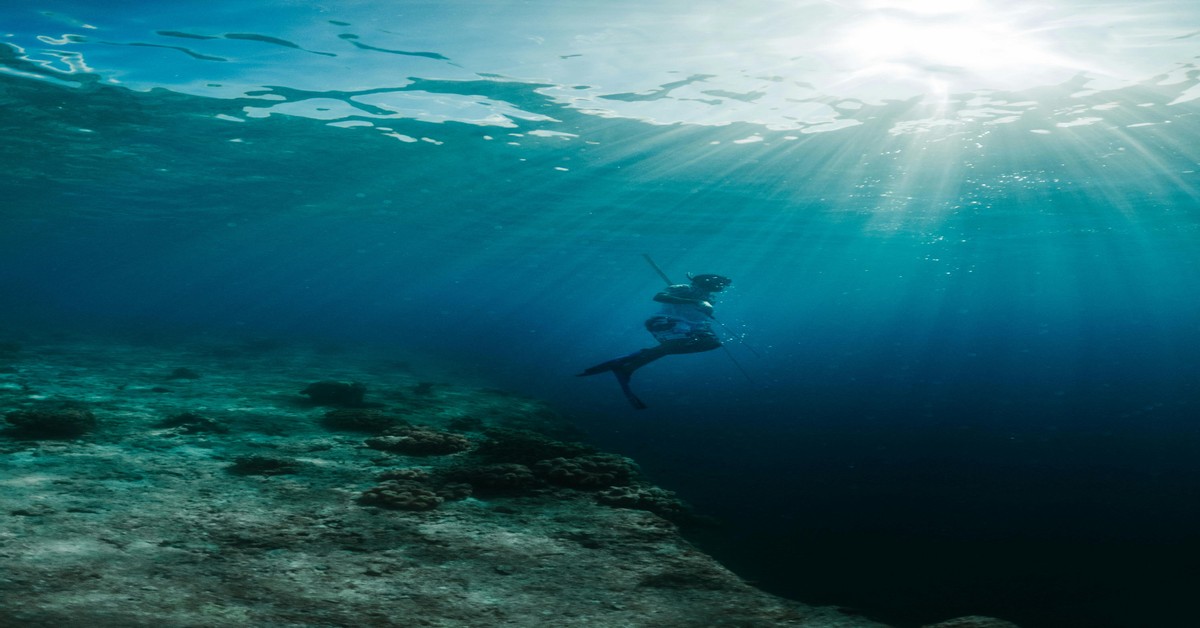
If you’re spearfishing, your breath hold is the main thing limiting what you can do underwater. You can read the reef perfectly and have great aim, but if you’re coming up after thirty seconds, you’re leaving fish on the table. This article covers practical methods to improve your breath hold for spearfishing. I’ve spent years working on these techniques on my own dives and showing others how to do the same. The biggest shift most people need to make is realizing that breath holding is more about relaxation than sheer willpower. You can’t force your body to hold its breath longer. You have to teach it to need less oxygen. This guide is for spearfishers who want longer bottom times safely, without all the guesswork.
Why Breath Hold Matters in Spearfishing
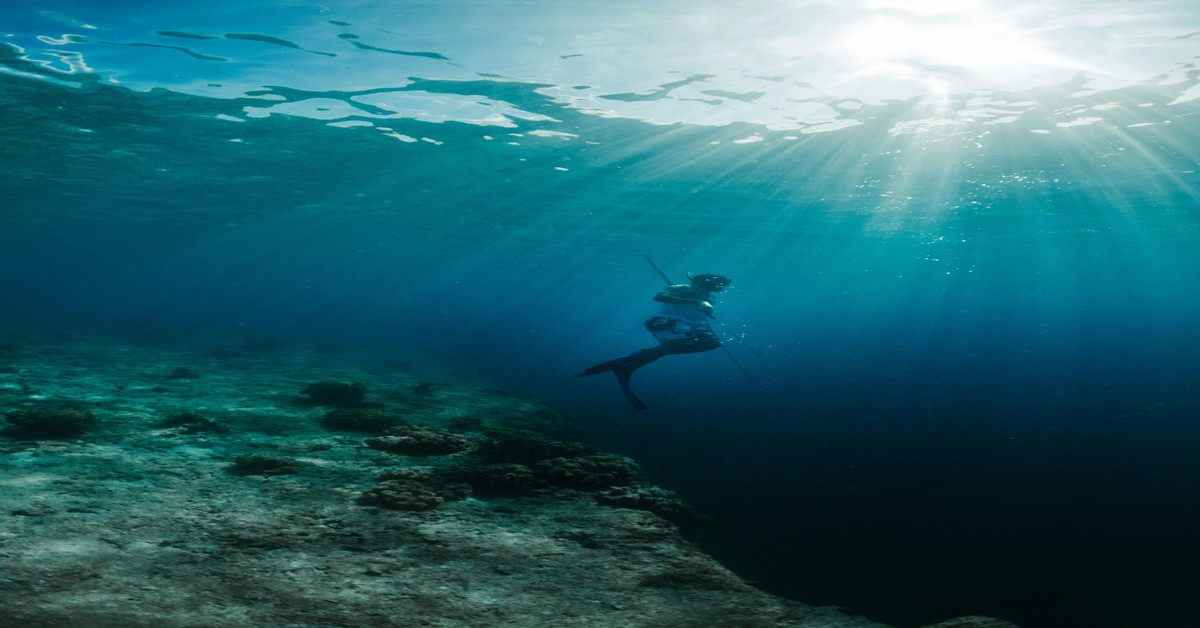
Longer breath hold means longer bottom time. That lets you wait out a wary fish, work a promising hole more thoroughly, or just stay down long enough to make the shot count. It also takes pressure off during a dive. When you know you have a comfortable two-minute hold, a sixty-second hunt feels easy. Improvement takes weeks of consistent training, not a few sessions. You won’t double your breath hold overnight. But with the right approach, you’ll see noticeable gains within a month. The goal isn’t to set personal records on the surface — it’s to be more effective and relaxed when you’re hunting.
The Physiology of Breath Holding: What’s Actually Happening
When you hold your breath, two things drive the urge to breathe. The first is carbon dioxide buildup in your blood. Your body’s main trigger to breathe isn’t low oxygen — it’s high CO2. The second is oxygen depletion, which eventually causes hypoxia. That’s when things get dangerous. The mammalian dive reflex kicks in as soon as your face hits cold water. Your heart rate slows, blood vessels in your extremities constrict, and your body prioritizes oxygen for your brain and heart. This reflex is automatic, but you can help it work better by staying relaxed. Tension fights the reflex. Every muscle contraction burns oxygen you could be saving. The practical takeaway is simple: the more relaxed you are, the longer it takes for CO2 to build up to the point where you feel the urge to breathe.
Dry Training: Breath Hold Tables You Can Do at Home
Dry training is the foundation of breath hold improvement. You don’t need a pool or ocean access. Just a couch, a timer, and a willingness to be uncomfortable for a few minutes. The two main types are CO2 tolerance tables and O2 tolerance tables. CO2 tables train your body to handle higher carbon dioxide levels without panicking. They involve shorter breath holds with progressively shorter rest periods. O2 tables push the limits of how long you can hold your breath with full recovery between holds. Both work, but they serve different purposes. A simple stopwatch or a dedicated freediving app works fine. For those who prefer a physical timer, a freediving interval timer can make tracking sessions easier. Never do breath hold training alone in water. And never hyperventilate before a hold — it drops your CO2 artificially and increases blackout risk. Start on dry land, stay safe, and build consistency.
CO2 Tolerance Tables: How and When to Use Them
For most beginners, CO2 tolerance is the bottleneck. Your body screams at you to breathe because CO2 levels are high, even though you still have plenty of oxygen. CO2 tables teach your body to ignore that scream longer. A basic CO2 table looks like this: hold your breath for one minute, then rest for two minutes. Repeat that cycle eight times. The rest period stays the same, but the hold gets harder as CO2 accumulates in your blood. A common progression is to start with 1-minute holds and 2-minute rests for the first week. The second week, reduce rest to 1 minute 45 seconds. The third week, reduce rest to 1 minute 30 seconds. The fourth week, increase hold to 1 minute 15 seconds with 2-minute rests. Common mistakes include rushing the rest intervals or tensing up during the hold. Relax your shoulders, jaw, and hands. If you feel sharp pain or dizziness, stop. Listen to your body.
O2 Tolerance Tables: Pushing Your Limits Safely
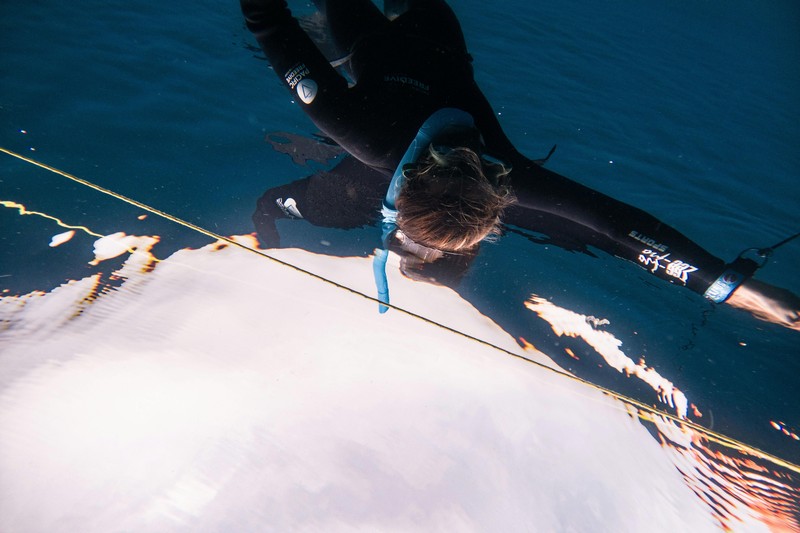
Once you’ve built some comfort with CO2 tables, you can add O2 tables. These are more advanced and focus on oxygen efficiency, not CO2 tolerance. An O2 table typically involves a fixed rest period of two minutes, with increasing breath hold durations. For example: 1 minute hold, 2 minutes rest. Then 1 minute 15 seconds hold, 2 minutes rest. Then 1 minute 30 seconds hold, 2 minutes rest. Continue up to your max, then come back down. The risk with O2 tables is blackout. Because you’re fully recovering CO2 between holds, you can push oxygen levels dangerously low without feeling the urge to breathe. Always do O2 tables lying down on a bed or couch. Never attempt them in water. If you feel tunnel vision, ringing in your ears, or muscle twitching in your lips or fingers, stop immediately. These are early signs of hypoxia.
Relaxation Techniques for Longer Holds
Relaxation is the most underrated skill in spearfishing. The more tension you carry, the faster you burn oxygen. Before any dive — dry or wet — practice diaphragmatic breathing. Place a hand on your belly and breathe so your hand rises, not your chest. Inhale for four seconds, hold for seven, exhale for eight. This pattern activates your parasympathetic nervous system and calms the dive reflex. Progressive muscle relaxation is another technique that works. Start at your feet and consciously relax each muscle group as you work up to your face. By the time your head goes under, your body should feel heavy and loose. During the dive, focus your mind on a single point — the reef below, the fish you’re tracking, or just the sensation of being suspended. A wandering mind creates tension. A focused mind conserves oxygen.
Common Mistakes That Sabotage Your Breath Hold
Several practical mistakes consistently hold spearfishers back. Hyperventilating before a dive is the most dangerous. It lowers CO2, delays the urge to breathe, and dramatically increases blackout risk. Don’t do it. Tensing the neck and shoulders is another common issue. Many people instinctively tighten their upper body during a hold, which wastes oxygen. Consciously drop your shoulders. Not equalizing properly can cut your bottom time short because you have to surface early from ear pain. Practice Frenzel equalization. Holding your breath too long on the surface before diving also wastes oxygen. Take a full inhale, clear your snorkel, and start your descent within a few seconds. Finally, a snorkel that restricts airflow makes recovery harder. A simple, low-volume snorkel without splash guards works best.
Dry Training vs. In-Water Training: What Works Best
Dry training is safer and easier to do frequently. You can do it every day if you want, and the risk of blackout is essentially zero. Gains from dry training transfer to the water, but not perfectly. Water adds the mammalian dive reflex, buoyancy, and the mental challenge of being submerged. In-water training is more specific and builds real confidence. If you only train dry, you’ll still see improvement in the ocean, but you might feel less comfortable. A good split is three dry sessions per week and one in-water dynamic apnea session with a buddy. Dynamic apnea is swimming horizontally under the surface. It mimics the physical exertion of spearing better than static holds. what matters is consistency. Two months of twice-weekly training is worth more than a week of daily sessions followed by a break.
Gear That Can Help (But Won’t Replace Training)
No piece of gear will improve your breath hold on its own. But the right tools can make training easier and safer. A good freediving watch with an interval timer is helpful for running tables. Models like the Suunto D5 or Garmin Descent series have preloaded apnea modes that track static and dynamic holds. A nose clip is essential for dry static training if you struggle to hold your breath through your mouth. It also works well for pool training. A low-volume snorkel reduces dead air space and makes recovery breathing more efficient. These are useful tools, not shortcuts. Training is still the work. But if the gear removes friction from your routine, it’s worth having.
Safety First: Managing Blackout Risk and Buddy Duties
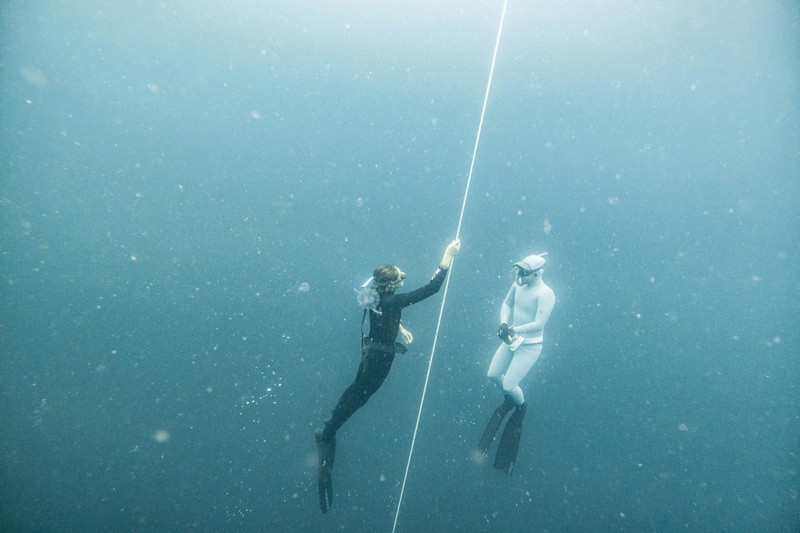
Blackout is real. It happens when oxygen levels drop low enough that you lose consciousness, often without warning. Signs include tunnel vision, muscle twitching in the face or hands, or a sudden feeling of euphoria. In the water, never train alone. Always have a buddy who is watching you and ready to act. If your buddy blacks out, the priority is to get their face above water and clear their airway. Remove their mask and weight belt. Tap their face and call their name. If they don’t start breathing within a few seconds, begin rescue breaths. Recovery from a shallow water blackout is usually rapid once the airway is clear and oxygen is restored, but every second matters. This is not something to take lightly. The best safety measure is prevention: never push your limits alone, never hyperventilate, and always respect your body’s signals.
Sample Weekly Training Plan for Breath Hold Improvement
Here’s a realistic weekly plan for someone who wants steady improvement without overtraining.
Monday: CO2 tolerance table. Eight rounds of 1-minute hold, 2-minute rest.
Tuesday: Rest or light swimming.
Wednesday: O2 tolerance table. Increment holds from 1 minute to max and back down, with 2-minute rests.
Thursday: Rest.
Friday: Dynamic apnea session in a pool with a buddy. Four to six laps of relaxed swimming under the surface.
Saturday: Easy ocean dive. Focus on relaxation and good technique, not pushing limits.
Sunday: Rest.
Progress over four weeks by reducing rest intervals on CO2 tables and adding one hold to your O2 table. If you feel fatigued or unmotivated, take an extra rest day. Consistency matters more than intensity.
Tracking Your Progress Without Overthinking It
Keep it simple. Test your max static hold once a week, lying down on a bed with a timer. Write down the number. Note your perceived effort during each training session — easy, moderate, or hard. Track your average bottom time during actual spearfishing. Over a month, you should see gradual improvement. The trap is obsessing over seconds. A few seconds of progress per week is excellent. What matters more is how comfortable you feel at depth. If you’re relaxed and making shots that used to feel rushed, you’re improving. Consistency and comfort are better indicators than a personal best number.
Ready to Get Started?
Improving your breath hold for spearfishing comes down to a few core habits: consistent dry training, smart relaxation techniques, and a strict safety mindset. You don’t need expensive gear to start, but the right tools can make training easier. A freediving watch with an interval timer, a proper nose clip, and a low-volume snorkel are practical investments if you’re serious about progress. If you’re ready to take your training seriously, check out the recommended gear here — it’s the same equipment I’ve used and relied on for years. Start slow, stay consistent, and respect the water.
Ready to push your limits safely? Grab a freediving training tool and start working through our progression plan. And never train alone — find a reliable buddy first.