Stalking Techniques: How to Approach Skittish Reef Fish
Introduction
You’ve got the basic breath-hold down and can hit a stationary target at ten feet. But the moment you drop onto a reef, every fish seems to know you’re there. They vanish behind coral heads before you’re within range. That’s where spearfishing stalking techniques separate a successful dive from a frustrating one. Getting close enough for a clean shot isn’t about being faster or stronger. It’s about being patient, reading the fish, and moving in a way they don’t see as a threat. After years of spooking fish on reefs from the Caribbean to the Pacific, these tactics came through trial and error. This guide covers practical stalking techniques for approaching wary reef fish like parrotfish, snapper, and grouper. If you’re a spearfisher who can hold your breath but struggles to close the distance, this is where you’ll find the tactics that actually work.
Reef fish spook easier than you think. These stalking techniques took me from hungry to successful.

Why Reef Fish Get Skittish
Before you can stalk a fish, it helps to understand why it runs. Reef fish face constant pressure from predators—larger fish, sharks, and birds all pose a threat. Humans with spearguns are just another predator to avoid. Fish have excellent vision, especially in clear water. They’re sensitive to sudden movements, changes in light, and unnatural sounds. On a busy reef in the Bahamas, even a cautious breath can send a school of yellowtail snapper fleeing. Bubbles from your regulator or exhale create noise and movement that fish associate with danger. They also have a lateral line that detects vibrations in the water. A fin kick that’s too aggressive or a speargun that scrapes against coral sends a clear signal: predator. Fish that have been hunted before learn to avoid anything that looks or sounds like a spearfisher. That’s why a quiet, deliberate approach matters. Understanding these cause-effect relationships helps you anticipate when a fish is about to bolt and adjust your behavior accordingly.
The Fundamentals of a Good Stalk – Before You Dive
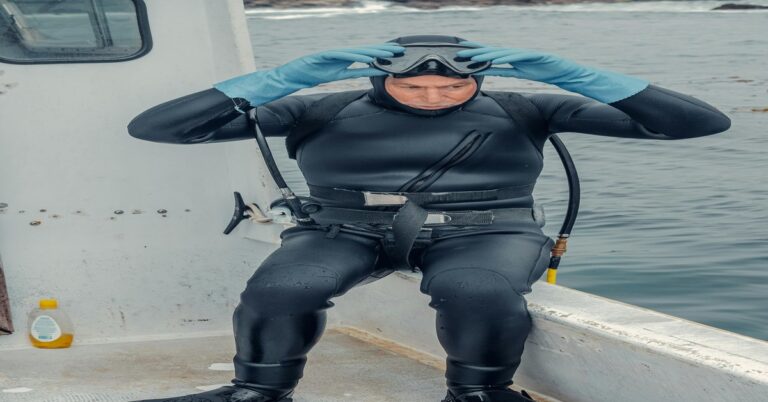
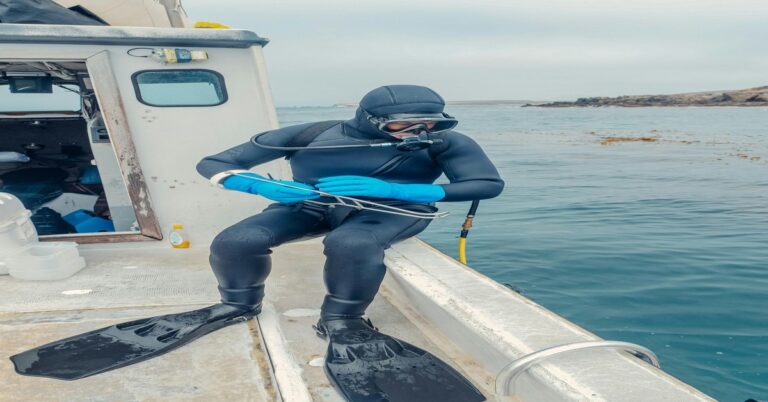
A successful stalk starts on the surface, not underwater. Where you enter the water and how you approach the reef determines whether you’ll get close or spook everything. Choose an entry point that puts the wind and current at your back. This lets you drift toward the structure without fighting the water. Or better, use the current to carry you silently toward your target. Study the reef from the surface first. Look for ledges, coral bommies, and drop-offs where fish are likely to hold. A solid camo wetsuit pattern helps you blend with the bottom rather than stand out against the sky. If you’re diving in clear water, a dark-colored suit or one with a reef pattern breaks up your silhouette. Before you descend, make sure your buoy is weighted down properly. A floating buoy that bounces on the surface creates noise that travels underwater. Weigh it down so it sits low and quiet. This small adjustment makes a big difference in how much disturbance you create before you even start your dive.
Approach Patterns: Direct vs. Indirect Lines
Once you’ve identified a target, you need to choose how to close the distance. There are two main approach patterns: direct and indirect. A direct line is a straight, efficient path toward the fish. This works best when the fish is facing away from you or if it’s in open water with no cover. The advantage is speed—you get within range before the fish turns. But if the fish is facing your direction, a direct approach will spook it quickly. An indirect approach uses a curved path. You start wide, then circle around to come at the fish from its blind spot or from behind structure. This takes longer but is much less visible. Use an indirect approach when the fish is watching your direction or when it’s near a coral head you can use as cover. what matters is to avoid making eye contact. Fish interpret direct eye contact as a sign of a predator. Look slightly to the side or focus on the fish’s body, not its eyes. If you need to reposition, back off slowly and start a new approach rather than trying to correct your path mid-stalk.
Breath Control and Bubble Management
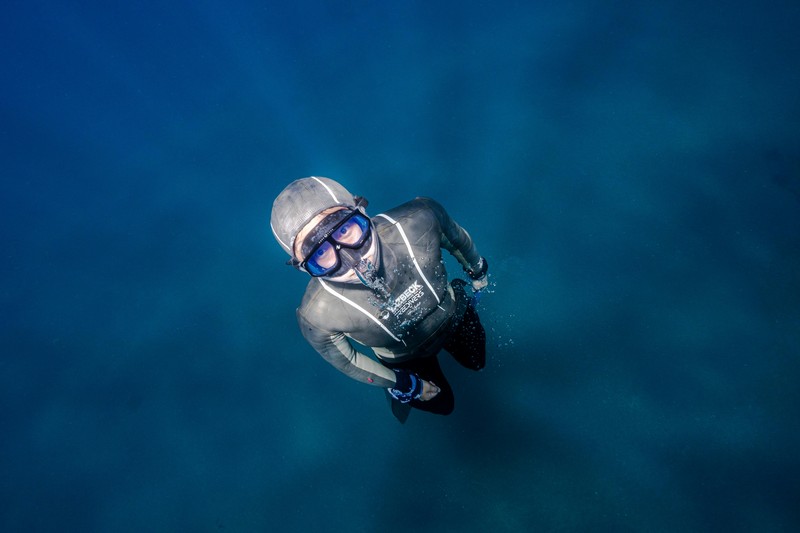
Your breathing is one of the most audible and visible parts of your approach. Rapid, shallow breaths create noise on the surface and bubbles that fish can see. Before you dive, slow your breathing down. Take slow, deep breaths for at least a minute. This calms your heart rate and reduces the amount of air you need to exhale. When you’re ready to descend, take a final deep inhale, but don’t overfill your lungs. A full exhale during the dive produces large, noisy bubbles that will spook fish. Instead, let out a small stream of air through pursed lips as you descend. This equalizes your ears and keeps your bubble stream small and manageable. If you’re using a freediving watch, it can help you track your surface intervals and ensure you’re fully recovered before the next dive. A quality watch like the Suunto D5 or Garmin Descent series is worth the investment for serious divers. But even without one, a simple rule works: wait until you feel completely relaxed before diving again.
Using the Reef for Cover – Hiding in Plain Sight
The reef isn’t just where the fish live—it’s your best tool for getting close. Coral heads, ledges, and rock formations provide natural blinds. Use them to break up your silhouette and mask your movements. As you approach, tuck your fins close to your body. Kick from your hips with minimal blade movement. A wide, splashy kick pushes water and creates noise. A narrow, controlled kick is almost silent. Flatten your body position to reduce your profile. Instead of swimming upright, stay horizontal and low to the bottom. This makes you look more like a reef inhabitant than a predator. When you reach a piece of cover, pause. Let the fish return to its normal behavior. Fish have short memories. If you wait quietly for 30 to 60 seconds, they often forget you’re there. Use that time to line up your shot or reposition for a better angle. Patience is the single most underrated skill in stalking. The fish will tell you when it’s time to move.
Common Mistakes That Spook Fish
Even experienced divers make these mistakes. Here are the most frequent ones and how to avoid them.
- Moving too fast: Quick movements trigger a flight response. Slow everything down. Your arm, your head turn, your fin kick.
- Making eye contact: Fish read your eyes. Look at their body or the area around them, not directly into their eyes.
- Splashing on the surface: A noisy entry or fin kick on the surface alerts fish before you even dive. Enter the water quietly and keep your fins submerged.
- Holding your breath too early: If you hold your breath on the surface before diving, you’ll be forced to exhale underwater, producing large bubbles. Take your final breath just as you begin your descent.
- Approaching from above: Fish are most alert to threats from above. Approach from the side or below whenever possible.
Correcting these mistakes will immediately improve your success rate. None of them require special gear, just attention to technique.
Gear Considerations for Quiet Approaches
Your gear affects how much noise you make and how easily fish spot you. Not all gear is created equal for stalking. A low-volume mask creates less drag and requires less air to equalize. This means fewer bubbles during your dive. Look for a mask with a small internal volume, like the Cressi Nano or the Mares X-Vision. Fins are another critical piece. Soft rubber fins, like the Cressi Gara Modular, flex with less effort and produce quieter kicks compared to stiff carbon fiber blades. They’re also more forgiving if you accidentally kick a rock or coral. A camo or dark-colored wetsuit is essential for blending in. Avoid bright colors or high-contrast patterns. If you’re diving in shallow water where you can be seen from above, a suit with a darker back panel helps you disappear against the bottom. Your speargun choice matters too. A gun with a slip-tip mechanism produces a quieter shot than a fixed barb. The quieter the shot, the less likely nearby fish will spook. Divers who want to upgrade their setup can compare camo wetsuit options to find patterns that blend with local reefs. The right gear won’t make you a better stalker, but it removes obstacles that hold you back.
Reading Fish Behavior Mid-Stalk
Fish communicate constantly through body language. Learning to read these signals lets you anticipate their next move. The classic warning sign is a tail flick. A fish that flicks its tail once or twice is tense, ready to bolt. If you see this, freeze. Don’t move a muscle. Wait at least 30 seconds before resuming your approach. Turning sideways is another warning. A fish that turns its body broadside is preparing to flee. It’s trying to get a better view of you. If you see this, hold still and let it relax. A fin spread or raised dorsal fin indicates aggression or extreme alertness. This is common with territorial fish like grouper. A sudden change in direction or speed means the fish has seen or heard you. If it turns away and swims slowly, you still have a chance. If it bolts, your stalk is over. When you notice any of these signs, stop moving. Let the fish reset. Trying to push a stalk when the fish is already nervous will almost always fail. Patience here pays off.
When to Abandon a Stalk
Knowing when to quit is as important as knowing how to approach. If a fish has been spooked twice, it’s unlikely to let you get close again. The third attempt will just waste energy and time. If you’re out of breath or your heart rate is elevated, you’re not in control. A rushed dive with poor breath control will create more noise and spook more fish. Surface, recover, and find a new target. If the current is pushing you into the structure, you’re fighting the water. That’s a recipe for a loud, clumsy approach. Exit the area and try a different spot. A practical rule: if you’ve been creeping for five minutes and the fish hasn’t come closer, it’s time to surface and find a new target. Fish have a comfort zone. If you can’t enter it within a few minutes of careful approach, that fish is not going to be taken today. There’s no shame in moving on. Every successful diver learns when to cut their losses.
Practice Drills to Improve Your Stalk
You don’t need to be in the ocean to practice stalking. Land-based drills are surprisingly effective. Try approaching a cat or a bird in your yard. Move slowly, use cover, and watch how the animal reacts. It’s a real-world simulation of the patience and timing required underwater. In a pool, practice breath control and bubble management. Swim from one end to the other while keeping your bubbles to a minimum. Time how long it takes to cover 30 feet without making a sound. Another useful drill: pick a stationary object underwater, like a tile or a weight, and approach it from 30 feet away. Focus on staying silent, controlling your fins, and keeping your body flat. Repeat until you can do it without any splashing or kicking noise. These drills build muscle memory. When you’re on a real reef, you won’t have to think about technique—it will be automatic. Consistent practice between dives is what turns a mediocre stalker into a good one.
Final Tips for Stalking Different Reef Fish
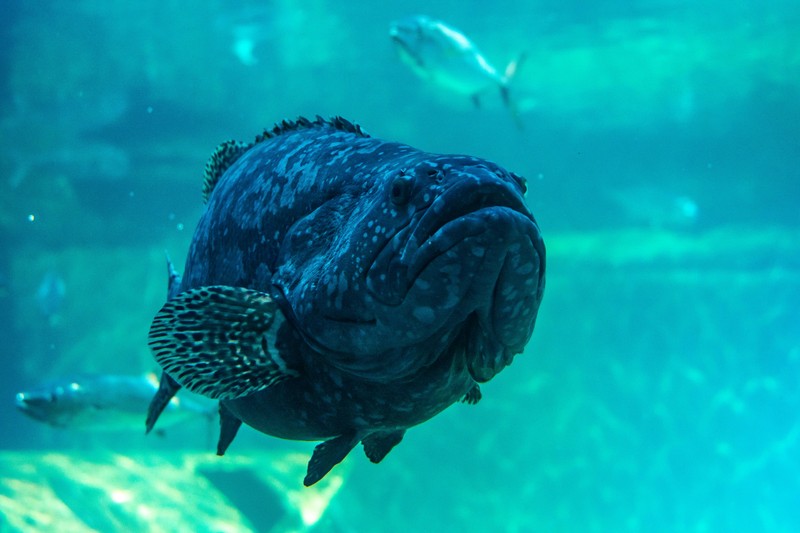
Not all reef fish behave the same. Here’s how to adjust your approach for common species. Parrotfish are often distracted while feeding on algae. They’re easier to approach if you come from their side. Snapper are more alert, especially schools. Circle wide and approach from below. They have excellent vision and will bolt if they see a silhouette above them. Grouper are territorial. You can often get close if you approach from below and move slowly. But they spook easily if rushed. If a grouper turns to face you and flares its gills, you’re too close. Back off. For a lone grouper, approach from below and wait for it to turn. The decision flow is simple: if you see a snapper school, circle wide. For a lone grouper, approach from below. For parrotfish, come from the side. Adjust your technique to the fish, not the other way around.
Putting It All Together – Your Next Dive Plan
You now have a toolkit of tactics. The next step is to use them on your next dive. Here’s a simple pre-dive checklist:
- Choose your entry point with wind and current in mind.
- Weigh down your buoy to minimize surface noise.
- Slow your breathing before each dive.
- Approach slowly, using cover and indirect lines.
- Control your bubbles and fin kicks.
- Read fish body language and adjust.
- Know when to abandon a stalk and move on.
This isn’t a list you have to memorize. Print it out or write it in your dive log. Use it as a reminder until the techniques become second nature. Ready to test these techniques on a real reef? Check spearfishing gear options to get started.