Top 10 Spearfishing Destinations in Florida
Introduction
If you’re planning a spearfishing trip in Florida, you’re already working with one of the best coastlines in the country. The question isn’t whether Florida has good spearfishing — it’s which destination fits what you’re looking for. Florida’s waters range from gin-clear inland springs to bluewater ledges eighty miles offshore, and picking the wrong spot can turn a promising trip into a logistical headache. This guide covers the top 10 spearfishing destinations in Florida based on accessibility, target species, water conditions, and overall experience. Whether you’re a beginner looking for shallow reefs or an experienced spearo chasing trophy grouper, you’ll find honest, practical recommendations here. I’ve speared these waters myself, and every destination on this list has been vetted for what it actually delivers. You’ll get logistics, target species, best conditions, and how to book. No fluff.
I’ve speared from Key West to Destin, and Florida’s diversity still surprises me every season.
How We Selected These Destinations
Every spot on this list was chosen based on a few essential criteria: accessibility from shore or via a short boat ride, reliable water clarity for spotting fish, a healthy diversity of target species, and a reasonable safety profile (currents, marine life, and boat traffic). I’ve personally dived each location multiple times across different seasons and conditions. This isn’t a theoretical list pulled from tourism websites — it’s a curated set of destinations that deliver consistent results for spearfishermen. I also considered year-round viability: some spots are seasonal, others work any month. Finally, I weighed the availability of local charters, rentals, and lodging because logistics matter more than most guides admit.
1. Rainbow River – Dunnellon (Inland Spring)
Rainbow River is an excellent choice for training, photo dives, or just enjoying absurdly clear water. It flows at a constant 72°F year-round, and visibility often exceeds 200 feet. You’re not going to shoot grouper here. Target species include tilapia, gar, and bass — all non-game fish — which matters because Florida regulations strictly limit what you can spear in freshwater. You must check the latest FWC rules before you go. For gear, a pole spear is ideal. A small pair of fins and a light weight belt will serve you better than full offshore rigging. Avoid weekends when the river gets crowded with tubers and kayakers. The best entry points are KP Hole Park or the main public access off County Road 484. Expect crystal-clear water, minimal current, and a relaxing day of stalking fish in a spring-fed environment. A quality pole spear and a diving flashlight for shadowy spots are worth having. Divers who frequently spear in springs may benefit from a reliable underwater flashlight to check dark crevices and under ledges.
2. The Middle Grounds – Gulf of Mexico (Offshore)
The Middle Grounds is the premier offshore destination for serious spearfishermen in Florida. Located 80 to 150 miles off the coast, this series of limestone ledges and coral outcroppings holds some of the best grouper, snapper, amberjack, and hogfish in the Gulf. This is not a shore dive — you need a boat, and most people either own one or book a charter. Summer is the ideal season with calm seas and warm water, but winter can produce solid catches if you’re willing to risk rougher conditions. The tradeoff is worth it: the fish are larger and more abundant than at nearshore spots. Hiring a reputable charter that specializes in spearfishing is the most practical way to access these grounds. Expect to pay a premium, but the returns in quality of fish and experience justify the cost. For gear, bring an offshore reel, a high-volume float, and a speargun in the 120-140cm range. This is a destination for experienced spearfishermen chasing trophy fish.
3. Palm Beach Inshore Reefs (Atlantic)
Palm Beach offers some of the most accessible spearfishing on the Atlantic side. The inshore reefs, particularly around Phil Foster Park and the Blue Heron Bridge, provide shore-diving opportunities that are rare in Florida. You’ll find snapper, sheepshead, lobster, and the occasional cobia. The key challenge is the Gulf Stream current, which sweeps close to shore here. You’ll be drifting, so a dive flag and float line are mandatory. The “Palm Beach Drift” technique is standard: deploy a float, drift with the current, and cover ground efficiently. A dive computer is essential for tracking depth and bottom time, especially if you’re diving multiple sessions. Avoid this spot if you’re new to current diving — the conditions can change quickly, and shore access isn’t always easy if you surface far from your entry point. For experienced divers who want consistent action without a long boat ride, Palm Beach delivers.
4. Islamorada – The Sportfishing Capital (Keys)
Islamorada has earned its reputation as the Spearfishing Capital of the World for good reason. The variety of conditions and target species here is unmatched. Alligator Reef and Davis Reef are the standout spots. You’ll target mangrove snapper, mutton snapper, hogfish, and lobster, with the occasional grouper on deeper ledges. Shallow areas offer easy hunting for beginners, while the deeper ledges demand more skill and equipment. The marine sanctuaries are strictly regulated — make sure you understand the boundaries before you dive. The best months are April through October, when water clarity is at its peak and fish are actively feeding. You can rent a boat or book a charter; both options are widely available. For gear, a 90-110cm speargun with a reel works well for most situations, and a high-quality dive mask makes a real difference in spotting fish. Islamorada is best for mixed groups with varying skill levels — everyone can find something productive to do.
5. Jupiter – The Ledge Capital (Atlantic)
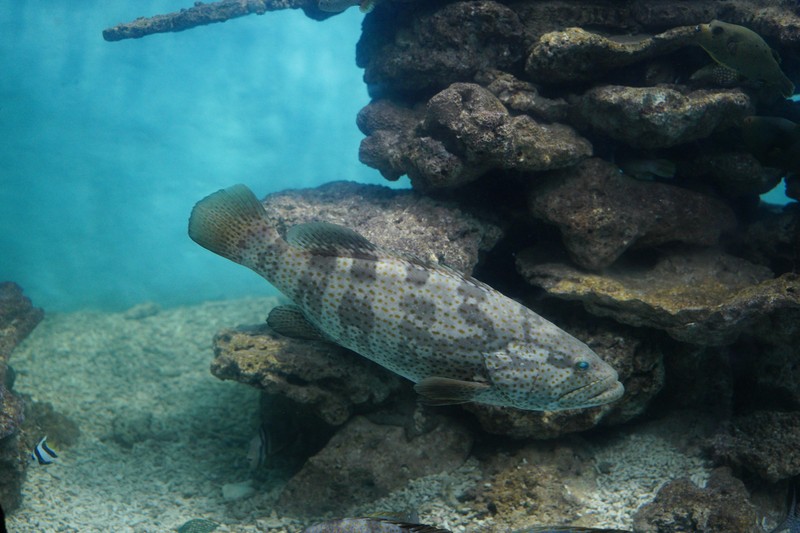
Jupiter is defined by its limestone ledges, which attract large grouper, snapper, cobia, and wahoo. Drift diving is the standard approach here — you cover a lot of ground as the current pushes you along the ledges. Depth profiles range from 40 to 100 feet, so know your limits. The main tradeoff is the shark population. Jupiter draws a high concentration of bull sharks, tiger sharks, and occasional hammerheads. This isn’t a dealbreaker, but it means you need to be prepared. A catch bag is safer than a fish stringer, and a shark shield can provide extra confidence. This destination is for advanced divers comfortable with strong currents and large predators. Beginners should gain experience elsewhere before tackling Jupiter’s ledges. For gear, bring a 110-120cm speargun, a reliable dive computer, and a sturdy catch bag. The rewards are substantial, but so is the risk.
Spearfishing Gear Checklist for Florida
A spearfishing trip in Florida requires specific gear depending on where you’re going. Here’s a practical checklist based on what actually works.
- Speargun – 80-110cm for reefs, 120+ for offshore. Choose based on your target and visibility.
- Wetsuit – 3mm in summer, 5mm in winter. Spring diving often requires 3mm or less.
- Dive knife – Titanium handles saltwater better than stainless steel. Keep it accessible.
- Float line and dive flag – Mandatory in most areas. Don’t skip it.
- Dive computer – Essential for tracking depth and bottom time, especially in current.
- Fish bag or stringer – A catch bag is safer in shark-prone areas. Stringers work in open water.
- Mask and snorkel – Don’t cheap out. A good mask improves your entire dive.
- Fins – Stiff blades for current and offshore. Softer blades for springs.
Buy once, cry once. Quality gear pays for itself in performance and durability. For those looking to upgrade, a dive computer with clear display can help manage bottom times and safety stops across multiple dives.
6. Fort Lauderdale – Shipwrecks and Reefs (Atlantic)
Fort Lauderdale’s artificial reefs and shipwrecks offer consistent spearfishing in a well-developed area. The wrecks hold snapper, grouper, barracuda, and even the occasional dolphin fish. The concentration of structure attracts baitfish and predators, but it also draws larger sharks. Most divers access these sites via charter, but shore diving is possible in the Ocean Mile area. The main drawback is fishing pressure — these wrecks get hit hard by both recreational and commercial fishermen. Pick your days carefully and try weekdays for less competition. An underwater light is useful for inspecting crevices and wrecks in low visibility. If you’re new to wreck diving, consider taking a course to understand the risks and techniques. Fort Lauderdale is a solid option for divers who want reliable action without traveling far offshore.
7. Destin – The Emerald Coast (Panhandle)
Destin’s emerald-green water is striking, and the spearfishing in the Gulf is strong. Target species include red snapper, grouper, amberjack, and triggerfish. The red snapper season is short — typically June and July — so plan accordingly. Booking a charter that specializes in spearfishing is critical because many general fishing charters won’t allow you to spear fish, so confirming this ahead of time saves frustration. The water clarity here is excellent in summer, and the Gulf bottom offers a mix of natural and artificial reefs. A pair of polarized sunglasses helps spot fish from the surface before you descend. The seasonality and charter restrictions make Destin a destination for planned trips rather than spontaneous ones.
8. Key West – The Southernmost Adventure (Keys)
Key West provides access to both the Atlantic and the Gulf, plus unique spots like the Marquesas Keys and the Dry Tortugas. Mutton snapper, grouper, hogfish, and lobster are the main targets. The distance to the best spots demands a boat — either a rental or a charter. Wreck diving is also an option, with several shipwrecks providing structure. If you’re planning a multi-day trip, a liveaboard charter can be an efficient way to cover more ground. The tradeoff is cost and time. Key West is not a budget destination, and the best fishing grounds are an hour or more from the marina. But the quality of the experience — combining spearfishing with sightseeing and island culture — makes it worth considering for an extended stay. Bring a full offshore kit and expect variable conditions depending on wind and tide.
Best Time of Year for Spearfishing in Florida
Florida’s spearfishing calendar varies significantly by region and target species. Here’s a breakdown by season.
- Summer (June-August) – Hot, calm seas dominate. Best for offshore destinations like the Middle Grounds and Destin. Target hogfish, red snapper, and amberjack. Water temps average 80-85°F.
- Winter (December-February) – Colder water, less fish aggression, but better visibility in springs and some inshore reefs. Grouper season is open in many areas. Water temps drop to 60-70°F. The springs are especially productive.
- Spring (March-May) – Transitional. Water warms, fish become more active. Good for both offshore and inshore, but weather can be unpredictable. Hogfish start appearing in April.
- Fall (September-November) – Often overlooked, but productive. Crowds thin out, water is still warm, and fish are feeding heavily before winter. Lobster season runs through the end of August.
If you want hogfish, plan for May through August. For grouper, winter is your best bet. Plan your trip around your priority species.
Common Mistakes to Avoid When Planning a Spearfishing Trip in Florida
These are the most common mistakes I’ve seen — and made — that can ruin a trip.
- Not checking FWC regulations. Size and bag limits change frequently. Spearing certain species is prohibited entirely in some areas. Check the latest rules online before you go.
- Underestimating the Gulf Stream current. It’s fast and unpredictable. Beginners often find themselves exhausted or drifting far from their entry point. Know your limits.
- Ignoring safety gear. A dive flag and float line are legally required in most spots. They also keep you visible to boats and other divers. Don’t skip them.
- Forgetting a saltwater fishing license. It’s required for any spearfishing in saltwater. Fines are steep. Get one online before you leave.
- Diving alone in unfamiliar water. Local knowledge is valuable. If you don’t know the area, find a buddy who does. It improves safety and success rates.
Conclusion – Book Your Spearfishing Trip to Florida
Florida offers some of the best spearfishing in the country, but success comes down to choosing the right destination for your skill level and goals. Whether you want spring-fed clarity, offshore trophies, or accessible reefs, this list gives you a solid starting point. Pick your spot, check the regulations, and book your accommodations or charter now. Check rates for spearfishing charters in Islamorada and get your trip locked in. The fish are waiting. Travelers planning a long stay may find a large insulated cooler bag useful for keeping catch fresh on the ride home.
Diving Florida this season? Make sure your licenses and regulations are up to date, and check out Florida-specific gear for our local conditions.