Baja Spearfishing Guide: Seasons, Species, and Logistics
html
Baja’s crystal water and giant pelagics ruined regular reef diving for me. Here’s how to plan your trip right.
Introduction
If you’re looking at a spearfishing trip to Baja California, you’ve already found one of the better options for the sport. The species mix, the variety of conditions, and the fact that you can get there from the US without a major expedition make it a solid choice, whether you’re new to this or you’ve been doing it a while. But here’s the thing about Baja—it’s not one place. You’ve got the Pacific side and the Sea of Cortez, and they’re basically different worlds. Different seasons, different fish, different headaches. This guide covers the practical side of spearfishing Baja California: when to go, what you’ll actually see underwater, what gear makes sense, and how to avoid the kind of mistakes that turn a good trip into a frustrating one. I’ve spent enough time on both sides of the peninsula to know that a little planning goes a long way. Let’s get into it.
Why Baja California is a Top Spearfishing Destination
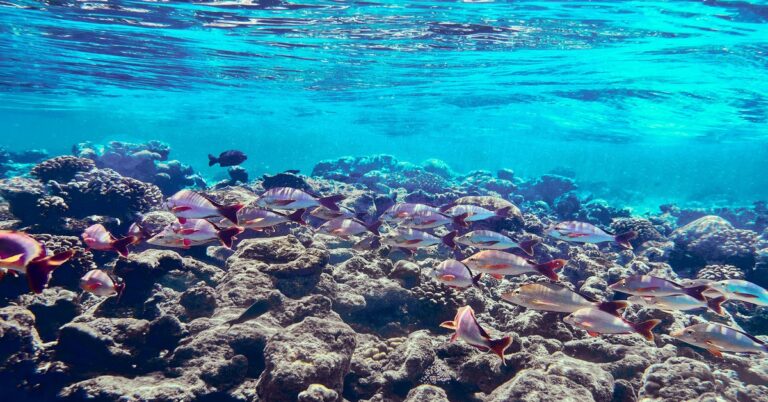
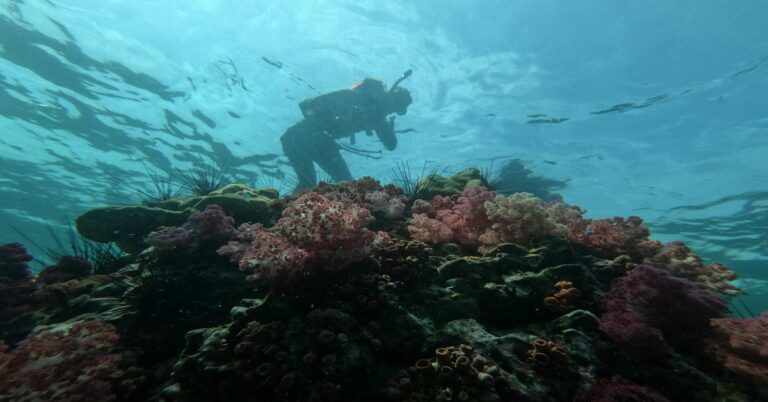
Baja’s appeal isn’t hype—it’s geography. The peninsula runs over 800 miles, and that translates into a lot of different habitats packed into one region. The Pacific side is colder and rougher. Less forgiving, but it holds white seabass and yellowtail in the kelp when conditions line up. The Sea of Cortez is generally warmer and calmer, especially in summer, with reef systems, sand flats, and pinnacles that hold pargo, grouper, and amberjack.
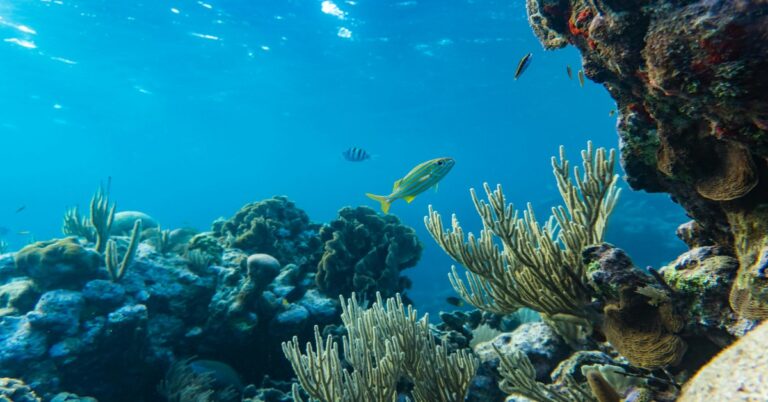
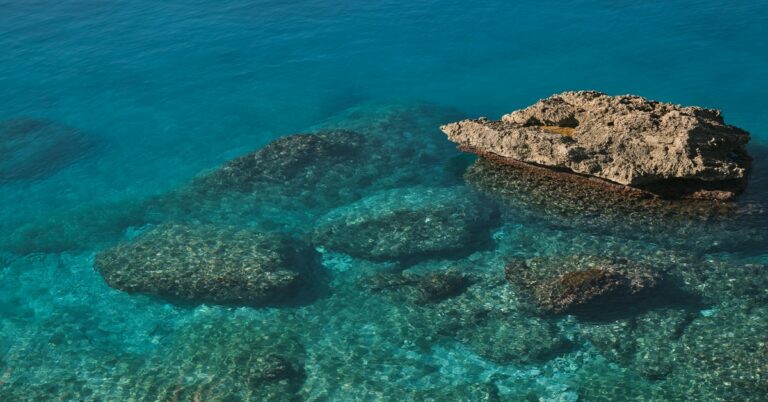
Water clarity is a big part of why people keep coming back. In the Sea of Cortez, vis often sits above 50 feet in the warmer months, and you’ll get days where it pushes 80–100 feet. That’s not the norm everywhere, and it changes how you hunt. You spot fish at range, pick your shot, and you’re not burning energy on blind stalking.
Water temps range from about 62°F in winter on the Pacific side to 85°F in late summer in the Cortez. That means you’re packing different wetsuits depending on when you go. It also means there’s a real fishing window for whatever you’re after—you can dive year-round, but you need to match your season to your target and your cold tolerance.
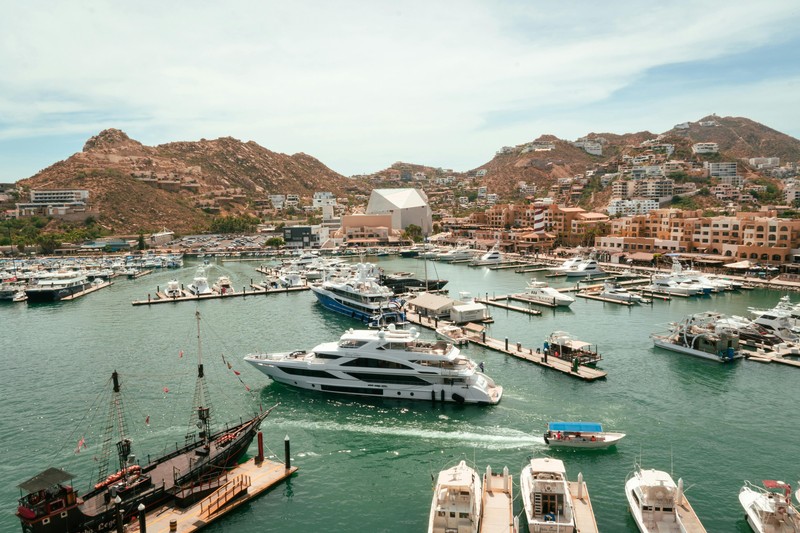
Accessibility matters too. Multiple airports (San Diego, Loreto, La Paz, Cabo) and a decent highway system make Baja one of the easier international spearfishing destinations to reach from the US. You’re not booking a flight to a remote island and hoping the weather holds. You can be in the water a few hours after you land.
Bottom line: Baja delivers consistent, quality diving across a pretty wide range of conditions. It’s not a one-trick place. If you know what you’re after, there’s a spot and a season that works.
Best Seasons for Spearfishing in Baja California
Timing matters a lot in Baja. The same spot can look completely different in March versus September. Here’s a breakdown of what to expect season by season.
| Season | Water Temp | Visibility | Primary Species | Key Considerations |
|---|---|---|---|---|
| Winter (Dec–Feb) | 62–68°F | Good, often 40–60ft | White Seabass, Yellowtail | Cold water, fewer crowds, afternoon winds common |
| Spring (Mar–May) | 65–72°F | Variable, building | White Seabass, Halibut | Transition period, good for bigger fish before summer |
| Summer (Jun–Aug) | 75–85°F | Best, often 60–100ft | Pargo, Grouper, Amberjack | Warm water, afternoon winds, peak tourist season |
| Fall (Sep–Nov) | 72–80°F | Very good, 50–80ft | Yellowtail, Dorado, Wahoo | Shoulder season, best balance of conditions and crowds |
Winter (Dec–Feb): If you’re after white seabass, this is your window. The water is cold—expect 62–68°F on the Pacific side—and visibility can be very good, sometimes over 60 feet. The trade-off? Afternoon winds kick up regularly, and the diving can beat you up physically. You’ll need a 5mm wetsuit at minimum for the Pacific; a 3mm might work in the Sea of Cortez if you run warm. Travelers who need a reliable cold-water suit for winter trips may want to look into 5mm wetsuit options suited for extended use.
Spring (Mar–May): A transition period. The water starts warming, and the fish are feeding hard before the summer heat. Halibut can be good over sand flats. White seabass are still around. Visibility can be inconsistent as plankton blooms come and go. A solid season for a trip if you want to skip the worst of the cold and the summer crowds.
Summer (Jun–Aug): Peak season for warmth and visibility. The Sea of Cortez is at its best—water clarity often exceeds 80 feet. You’ll find pargo and grouper on the reefs, and amberjack on the offshore structure. The downside: afternoon winds are reliable, and the water gets choppy by midday. This is also everyone’s favorite time, so accommodation prices spike and charter boats book up weeks in advance.
Fall (Sep–Nov): This is the shoulder season that often performs best. The water is still warm—72–80°F—visibility holds, and the winds are less aggressive than summer. You’ll get yellowtail making a fall run into the Cortez, and if you’re lucky, dorado and wahoo can show up. Fewer crowds, better rates, and solid diving. If you can only do one Baja trip, target October.
My recommendation: If you can swing it, go in October or November. You get warm enough water for a 3mm wetsuit, good visibility, and a real shot at yellowtail without the punishing cold of winter.
Target Species: What You Can Hunt and Where
Baja offers a wide variety of species, but a few stand out as the primary targets for spearfishermen. Here’s what you should expect and where to find them.
Yellowtail (Seriola lalandi): The most popular fish in Baja for good reason. They’re strong, aggressive, and excellent eating. Yellowtail are found on both coasts, but the Sea of Cortez has the more consistent fishery. Look for them around rocky reefs, pinnacles, and kelp lines. Typical depth: 30–80 feet. Best time: fall (Aug–Nov) and spring (Mar–May). They’re structure-oriented—if you find a point or reef with current, yellowtail will be in the mix. You’ll want a 110–130cm speargun with a single flopper shaft for them. For long days on the water, a reliable float line setup can make it easier to manage your catch.
White Seabass (Atractoscion nobilis): A premier target on the Pacific side. They’re spooky, and they’ll key into kelp beds and rocky drop-offs. White seabass can get big—30–50 pounds—and they require stealth and good shot placement. Best time: winter and early spring. Water temps below 68°F. Use a 120cm+ speargun with a reel or float line. Expect visibility to be moderate in the kelp.
Pargo (Lutjanus spp.): The generic term for several snapper species—Pacific red snapper, mullet snapper, and dog snapper. They’re reef-dwellers, typically found in depths of 20–60 feet in the Sea of Cortez. They’re less aggressive than yellowtail but make up for it by being delicious. Best time: summer and fall. A 100–120cm speargun is fine for most pargo.
Grouper (Epinephelus spp.): Leopard grouper and broomtail grouper are the main species. They’re ambush predators that hole up under rocks and in cracks. You’ll find them on reef edges and structure. They can be very large—over 50 pounds—and require a solid shot. Best time: summer into fall. Use a 120–130cm speargun with a heavy shaft.
Halibut (Paralichthys californicus): A flatfish that hides on sand flats and sandy patches near structure. They’re a specialty target that requires a different approach—slow cruising over flat bottoms, scanning for shapes. Best time: spring and early summer. A 90–100cm speargun with a short shaft is ideal for the closer range you’ll get on them.
Regulations quick note: Mexican regulations change. Always check current size and bag limits before you go. For white seabass, the minimum is usually 28 inches. Yellowtail has a 5-fish bag limit in many areas. Pargo and grouper have varying limits depending on the species. Don’t wing this—look up the official rules for the state (Baja California or Baja California Sur) you’ll be diving in.
Gear Recommendations for Baja Conditions
Your gear list depends entirely on season and location. Here’s a practical breakdown for Baja conditions.
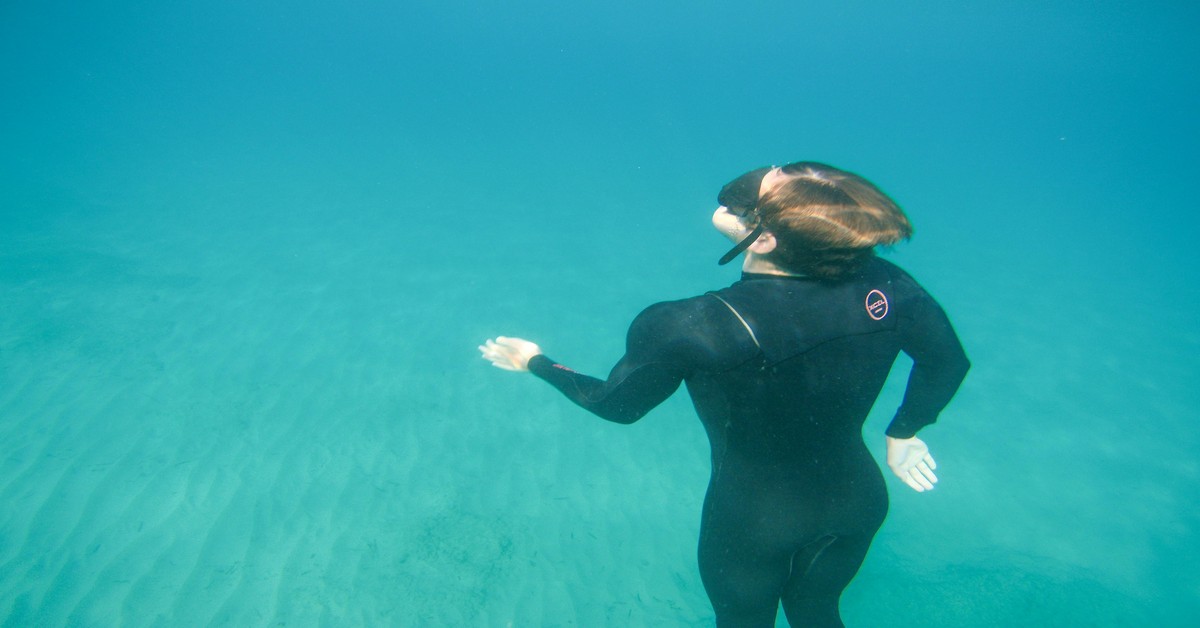
Wetsuits: This is the most important piece of gear for Baja. The water temp range means you can’t get away with one suit for everything.
- 3mm wetsuit: Works for summer and early fall in the Sea of Cortez (75–85°F). Do not use this in winter on the Pacific side—you will be cold.
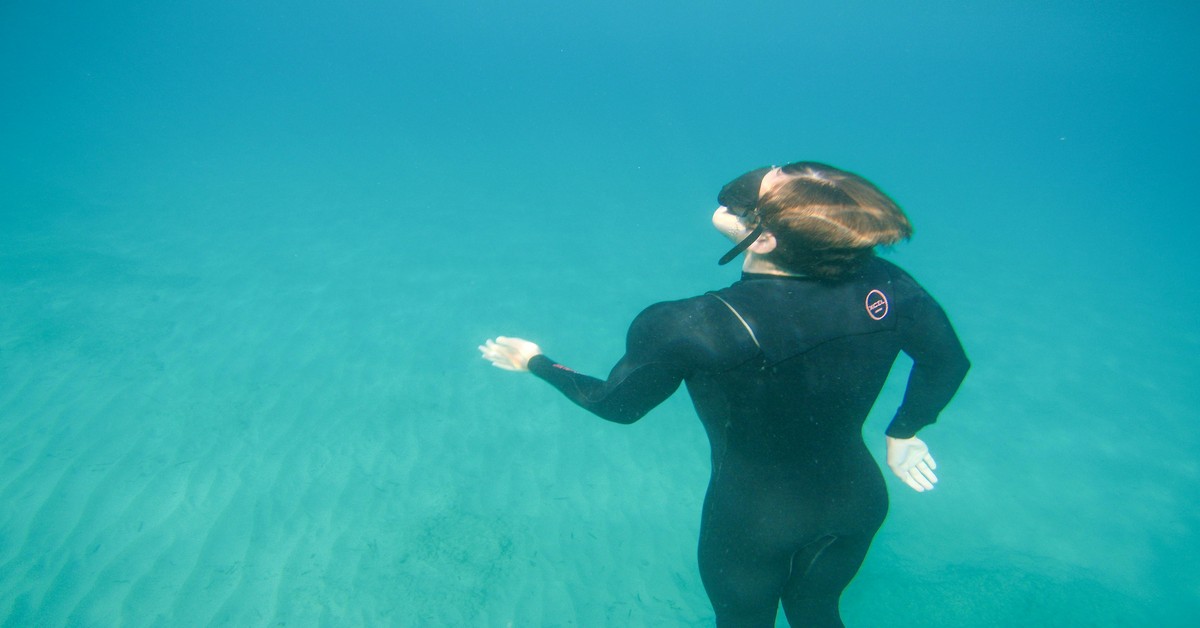
- 5mm wetsuit: The go-to for winter and spring diving on either coast. Essential for white seabass season. Closed-cell neoprene is more durable and easier to put on and take off than open-cell, but open-cell offers better insulation if you’re staying in the water for long hours. For most trips, a high-quality closed-cell 5mm is the right call.
- 7mm wetsuit: Rarely necessary in Baja, but if you’re diving deep (60–80 feet) in winter repeatedly, it’s worth considering. Not a priority for the average trip.
Fins: Hard blades are the norm in Baja. The current can be strong, especially on the Pacific side and around structure in the Cortez. You want fiberglass or carbon fins that deliver power with each kick. Start with a medium stiffness unless you have strong legs—stiff fins will tire you out fast.
Spearguns: Match your gun to your target. A 110–120cm railgun is the most versatile for general Baja diving. It works for yellowtail, pargo, and grouper. If you’re hunting white seabass specifically in the kelp, bump up to a 120–130cm with a reel. For halibut and smaller reef fish, a 90–100cm gun is easier to maneuver.
Knives: Don’t cheap out on a dive knife. Baja has thick kelp and strong current. A stainless steel blade with a blunt tip is safer and more durable. Get one with a secure sheath that locks in place.
Float lines and buoys: You need a float line in Baja. Current and structure mean you will get swept, and fish can explore rocks. A 50–75 foot float line is standard. Use a high-visibility flag buoy to alert boat traffic—Baja is busy with pangas and sportfishers, especially near La Paz and Cabo.
Accessories: A good dive bag or roller bag for travel. A mesh bag for gear storage on the boat. Spare bands, shafts, and tips—because things break, and you don’t want to lose a day of diving.
Choosing Your Base: La Paz, Loreto, or San Diego Launch
Where you base yourself determines the quality of your diving, the cost, and the logistics. Here’s a comparison of the three main launch points.
La Paz
Pros: Excellent shore diving access (Punta Arenas, Cerralvo Island), large charter fleet, good airport connections, solid food and accommodation options. The diving is varied—reefs, sand flats, and offshore pinnacles. Water clarity is generally good summer through fall.
Cons: Crowded during peak season (Dec–Mar). Accommodations can be pricey. Wind can be an issue in the afternoons. It’s a city, so expect some traffic and noise.
Best for: Divers who want a mix of shore and boat diving with solid infrastructure.
Loreto
Pros: Quieter, less crowded, very good diving in the Loreto Bay National Park. The marine park has protected reefs and can yield very good visibility. Smaller town, lower prices for accommodation and food. Good access to Isla Coronado and other offshore spots.
Cons: Limited shore diving options compared to La Paz. Charter fleet is smaller—book ahead. Airport has limited flights, more expensive to fly into than La Paz.
Best for: Divers who want a calm, less commercial base with high-quality diving.
San Diego Launch
Pros: If you live in Southern California, you can drive to San Diego and launch your own boat or charter a panga to cross the border. Very cost-effective if you have a boat. Access to the Coronado Islands and other northern Baja spots.
Cons: Requires proper documentation for the boat and trailer, plus Mexican fishing permits. The crossing can take time. You’re further from the prime Sea of Cortez spots—you’re really diving the Pacific side. Weather can shut down crossings quickly.
Best for: Experienced boaters or those with local knowledge of the CF (Customs and Border Protection) crossing procedures.
My take: For a first trip, La Paz is the safest bet. It has the most options and the best support network. If you want a quieter, more focused trip and don’t mind flying into a smaller airport, Loreto is excellent. The San Diego launch is a niche option for locals or experienced divers who want to minimize cost and maximize autonomy.
Logistics: Permits, Licenses, and Legal Requirements
This part is not optional. You need proper documentation to dive and fish legally in Mexico. Here’s the checklist:
Fishing Permit: Required for any fishing—spearing or rod-and-reel. You can get a one-day, one-week, or one-year permit. The easiest way is through a licensed Mexican permit service online or through a charter operator. Some operators include the permit in the trip cost—confirm this before booking.
Passport: Valid passport is mandatory. Don’t show up without it.
Tourist Card (FMM): For stays under 180 days, you need an FMM. You can get this online or at the border crossing. Keep it on you during the trip—you’ll need it to leave.
Vehicle Permit: If you’re driving into Baja from the US, you need a vehicle permit and insurance. Mexican auto insurance is mandatory—your US policy likely won’t cover you. Get it online before you go.
Firearms/Crossbows: Spearguns are generally treated as fishing equipment, not firearms. But laws change. For air travel, check with your airline about their policy on speargun transport. Most require them to be cased and checked. Do not try to carry on a speargun or any spear tip.
Gear Import: For most personal gear, you won’t have issues at the border. But if you bring a lot of gear (multiple guns, extra shafts), you might get asked about it. Keep receipts handy if you’re worried about proving it’s for personal use.
Where to get permits: A reliable source is Mexican Fishing Licenses or your charter operator. Do not try to buy one at a tackle shop day-of—it might not be available.
Where to Dive: Shore vs. Boat Access
The decision between shore diving and boat diving is a big one. Both have trade-offs.
Shore Diving
Pros: Free (after parking), no boat scheduling, you control your day. You can access spots like Punta Arenas near La Paz or the flats around Loreto. It’s great for scouting new ground.
Cons: Limited to areas you can reach from land. You need good fitness to handle current and surf entries. Parking can be rough—sometimes you’re parking on dirt or pulling off a highway. Gear storage is an issue—you’ll be carrying everything. Weather windows can be tight.
Best for: Budget-minded divers or those scouting a new area before committing to a charter.
Boat Diving (Pangas or Charter Boats)
Pros: Access to offshore reefs, pinnacles, and islands that hold bigger fish. You can cover more ground in a day. Boat provides safety and gear storage. Captain knows the local conditions.
Cons: Costs money—figure $200–$400 per day for a panga in La Paz or Loreto, depending on the season. You’re on someone else’s schedule. Seasickness can be a factor if you’re prone to it.
Best for: Most trips, especially if you want to target yellowtail, grouper, or offshore species.
Practical Tips: If shore diving, check the wind forecast. Baja winds pick up in the afternoon, making surf entries dangerous. Pick your entry for first light. For boat diving, bring a dry bag for your phone and keys and a cooler for your fish. Many pangas have a fish hold, but it’s not always cold—bring ice.
Common Mistakes to Avoid on a Baja Spearfishing Trip
I’ve seen these mistakes destroy trips. Avoid them.
1. Not checking the wind forecast. Baja is notorious for afternoon winds. A flat morning can turn into 20-knot winds by 2 PM. Check Windy.com or Magicseaweed before you go. Plan to be out of the water early if the forecast is marginal.
2. Underestimating current. The Sea of Cortez can have serious current around points and pinnacles. If you’re not used to swimming against current, you’ll tire fast. Use a float line and know your limits. Don’t dive a spot you can’t swim out of.
3. Poor fish handling in warm weather. Baja hits 90+°F in summer. If you don’t bleed, gut, and ice your fish immediately, it will spoil. Bring a large cooler with ice or a fish bag with ice packs. Don’t leave a yellowtail lying on a hot dock.
4. Failing to bring spare parts. Speargun bands break. Tips bend. You will need a spare set of bands, an extra shaft, and a basic tip kit. You can’t buy these at the corner store in Baja. Pack them.
5. Not having a backup spot. If the wind blows out your planned dive, you need a sheltered alternative. Many divers drive hours for a spot, only to find it unfishable. Have a list of backup locations—protected bays, east-facing shores, or smaller islands.
Accommodation Options for Spearfishermen
Not all hotels work for spearfishermen. You need specific features: secure gear storage, proximity to the water, freezer space for fish, and a cleaning table. Here’s what to look for:
- Resorts (e.g., La Paz hotels): Decent for gear storage if you request a first-floor room near the entrance. Night security helps. Most have a freezer you can ask to use. No guarantee of a cleaning table. Expect to pay $150–$300 per night in high season.
- Beachfront Rentals (Airbnb/VRBO): Better for groups. Look for places with a garage or secured patio for gear. Many have a freezer and outdoor hose. Rates vary—$100–$250 per night for a 2-bedroom. Check for a cleaning station or plan on using a bucket on the sand.
- Fishing Lodges (e.g., Loreto fishing resorts): Best option if you want a package. They usually include meals, boat, and permits. Gear storage is built in. Prices are higher—$400–$500 per night for an all-inclusive with diving. Worth it if you want to minimize planning.
My recommendation: For a DIY trip, a beachfront rental near La Paz or Loreto gives you the most flexibility. For a guided trip, a fishing lodge simplifies everything.
Safety Considerations in Baja Waters
Baja is safe for spearfishing if you respect the conditions. Here are the main concerns:
- Currents: The Sea of Cortez has strong currents around structure. Dive with a buddy. Use a float line. If you get separated, don’t panic—swim parallel to the coast before trying to come in.
- Sharks: They’re present, especially in the Sea of Cortez. Most encounters are non-aggressive—you’ll see a shark and it will leave. Carry a shark shield if you’re nervous. Avoid diving with fresh fish on your stringer.
- Dehydration: Baja sun is intense. Drink water before you dive and after. Don’t rely on thirst as a signal. Frequent divers may appreciate a large insulated water bottle to stay hydrated on long days.
- Medical access: Remote areas have limited medical care. If you’re diving outside La Paz or Loreto, carry a first aid kit and a satellite communicator (like a Garmin inReach) for emergencies. Do not rely on cell service.
- Buddy system: essential. Diving alone in Baja is a bad idea. Pair up and stay within visual range.
Sample Trip Itinerary: 5 Days in the Sea of Cortez
Here’s a practical itinerary built from experience. Adjust based on season and spot.
Day 1: Arrival & Gear Prep
Fly into La Paz or Loreto. Check into your rental. Assemble and inspect gear. Find a local market for ice, water, and snacks. Have a light dinner and rest. No diving.
Day 2: Shore Dive – Reef Exploration
Hit the water early (6:30 AM) from a known shore-dive spot like Punta Arenas or a point near Loreto. Focus on reef structure for pargo and grouper. Use a float line and stay in sight of your buddy. Exit by 11 AM to avoid the heat and wind. Clean and ice your catch. Relax in the afternoon.
Day 3: Boat Charter – Offshore Pinnacles
Book a panga for a full day. Target offshore pinnacles for yellowtail and amberjack. Bring lots of water and a waterproof camera. Expect to be out from 7 AM to 3 PM. The captain will know the spots. Bag your fish and have them processed at the boat landing.
Day 4: Shore Dive – Sand Flats & Structure
If conditions allow, do a morning dive on a sand flat for halibut or a reef edge for white seabass (if seasonally appropriate). Target depth 20–40 feet. Keep it mellow. Clean gear in the afternoon. Have a good dinner at a local restaurant.
Day 5: Travel Out
Pack gear carefully. Dry and store wetsuits, fins, and guns. Have a light breakfast. Head to the airport two hours early. Check whatever fish you’re bringing back in a cooler on the plane—confirm your airline’s policy beforehand.
Local food tip: If you’re near La Paz, don’t miss tacos de pescado at a spot like El Paisa. In Loreto, try the ceviche at El Gordo Ballenas. It’s good fuel after a day of diving.
Final Thoughts and Planning Your Trip
Key takeaways: Pick your season wisely—fall is the best all-around window. Match your wetsuit to the water temp. Get your permits sorted before you arrive. And always have a backup plan for wind or bad conditions.
If it’s your first trip, going with a local guide or an experienced group makes a huge difference. It saves you the guesswork on spots, permits, and logistics. You can focus on diving.
Ready to book? Check rates and availability for recommended lodges and charters in La Paz or Loreto now. A well-planned trip is the best investment you can make for a successful week on the water.