Spearfishing Insurance: A Practical Guide to Why You Might Need It
Introduction
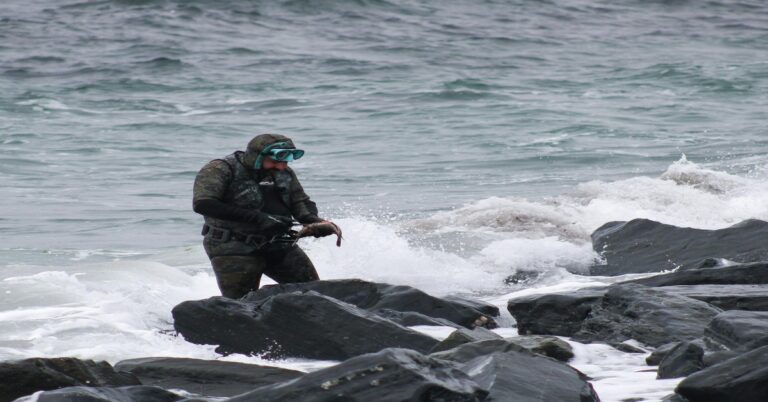
Spearfishing connects you with the ocean in a way few other activities can. But it also comes with risks that most divers and fishermen don’t think about much. Between the breath-hold diving, the gear investment, and the remote locations we hunt, there’s a lot that can go wrong that standard health insurance or a typical dive policy won’t cover. That’s where a dedicated spearfishing insurance guide becomes useful. This is for newer spearfishers wondering if they need coverage, traveling hunters heading offshore, and boat owners trying to protect their operation. It’s not about fear. It’s about being responsible with your hobby and your money.
When a travel insurer denied my claim after a spearing accident, I realized how few policies actually cover this sport.
What Does Spearfishing Insurance Actually Cover?
Spearfishing insurance isn’t usually one single product. It’s more a bundle of protections that address the specific ways spearfishers get into trouble. Knowing the core types of coverage is the first step.
- Medical Evacuation: This is often the most important. If you get hurt on a remote reef or in a country with limited medical infrastructure, getting back to a proper hospital can cost tens of thousands. Insurance covers the helicopter, boat, or plane ride. For those traveling to remote spots, a portable oxygen kit can be a practical addition for initial on-site care.
- Dive Accident Insurance: This covers treatment for decompression sickness, arterial gas embolism, and other pressure-related injuries. Standard health insurance often excludes these entirely.
- Liability Insurance: If you own a boat or run charters, this covers damage you might cause to another vessel or injury to a passenger. For individuals, it can cover your legal costs if you accidentally injure another diver.
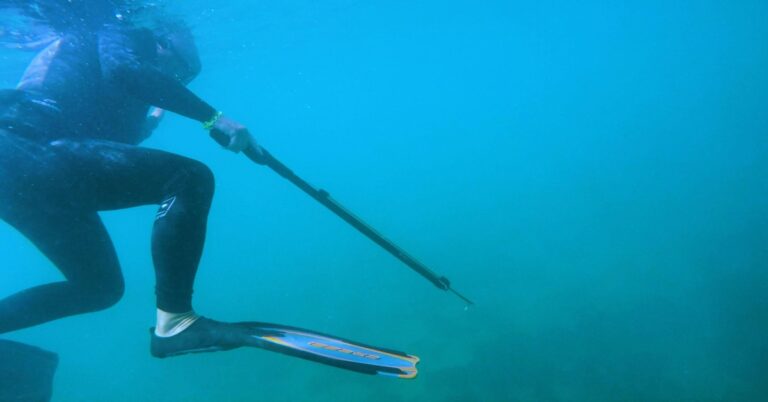
- Gear Loss or Theft: Good policies cover your speargun, fins, wetsuit, dive computer, and camera equipment. This matters especially when traveling or diving from a crowded boat. Travelers who worry about gear security often look at waterproof gear bags for extra protection during transit.
- Trip Cancellation/Interruption: If you have a paid-for charter trip and you or a family member gets sick, this reimburses you for the non-refundable costs.
Most policies bundle these elements, but it’s worth reading what’s actually included for your specific activity. Not all “dive insurance” covers freediving or spearfishing.
The Most Common Spearfishing Accident Scenarios (And How Insurance Helps)
about what happens out there. These aren’t hypothetical. They happen every year to experienced hunters.
- Shallow Water Blackout: You push your breath-hold too far on a deep dive and lose consciousness on the way up. You need rescue breathing, possibly oxygen, and monitoring for secondary drowning. Insurance covers the EMS response and hospital observation.
- Entanglement: Your gun line or float line gets tangled around a reef structure or another diver. Panic sets in. This can lead to drowning or serious lacerations. Insurance covers emergency extraction and wound care. Hunters dealing with entanglements may consider a dive knife as a practical tool to quickly cut lines in an emergency.
- Boat Propeller Accident: Being near a boat at the surface, especially at night or in low visibility, is dangerous. A propeller strike is a life-altering event. Medical evacuation and reconstructive surgery costs are huge.
- Decompression Sickness: Even freedivers can get DCS if they do repetitive deep dives with short surface intervals. You need a hyperbaric chamber immediately. Insurance covers the chamber treatment and transport to a facility.
In every scenario, the cost of medical care is just the start. The real financial hit is the evacuation, lost wages, and long recovery. Insurance turns that potential catastrophe into something manageable.
Who Really Needs Spearfishing Insurance?
It’s not a one-size-fits-all answer. Let’s break down who benefits most.
- Competitive Spearfishers: You train hard, dive deep, and often travel internationally for competitions. Your risk profile is high. You absolutely need a comprehensive policy covering DCS, evacuation, and gear.
- Charter Captains and Guides: This is essential. You need commercial liability insurance to protect your business. If a guest gets hurt, you’re legally and financially exposed. Also, require your guests to carry their own personal medical coverage.
- Traveling Divers: If you plan trips to remote islands in the Pacific, the Indian Ocean, or even parts of the Caribbean, your domestic health insurance is worthless for evacuation. This is the most common reason people buy spearfishing insurance.
- Weekend Hobbyists Shore Diving Shallow Water: If you only dive in local, accessible spots with reliable cell service and you’re within a short ambulance ride to a good hospital, the risk is lower. You might decide to skip a full policy, or at least get a basic dive accident plan. The tradeoff is you bear the financial risk yourself.
If you don’t fit the high-risk categories, you can probably get by with a cheaper, limited plan. But if you check any of those boxes, the cost of insurance is a fraction of the potential cost of an incident.
DAN Spearfishing Insurance vs. General Dive Insurance: What’s the Difference?
Divers Alert Network (DAN) is the most recognized name in dive accident insurance. They offer specific plans for recreational diving, but their standard policy has some quirks. General dive insurance from other providers (like DiveAssure or World Nomads) might be broader or narrower.
- DAN (Divers Alert Network): DAN’s core product is dive accident insurance. It’s excellent for decompression sickness and medical evacuation related to diving. But it’s not always optimized for spearfishing. Some DAN policies have coverage gaps for surface intervals (the time between dives) and incidents that happen on the boat. Their gear coverage is limited and often an add-on. The strength of DAN is their 24/7 emergency hotline and global network of hyperbaric chambers.
- General Dive Insurance: Providers like DiveAssure or World Nomads often offer more comprehensive travel-style policies. They bundle trip cancellation, baggage loss, and gear theft with dive accident coverage. They’re better for the traveling spearfisher who needs everything in one place. The tradeoff is they might not have the same depth of dive medicine expertise as DAN.
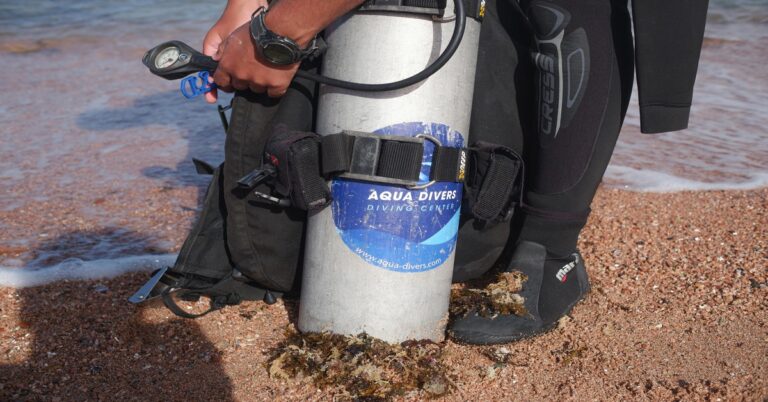
- The Gap for Spearfishing: The critical gap is that many standard dive policies assume you’re using scuba. They may not cover freediving-related incidents like shallow water blackout or a simple cut from a fish. You must read the fine print to confirm “breath-hold diving” or “freediving” is explicitly covered. DAN does cover freediving, but you need to pick the right plan.
For most spearfishers, the best approach is to get a dedicated dive accident policy (like DAN) and a separate travel insurance policy for gear and cancellation. For a simpler, single-policy solution, DiveAssure’s spearfishing-specific plan is a strong alternative.
Spearfishing Insurance for Charter Boats and Guides
If you operate a charter boat or guide spearfishing trips, this is not optional. You’re running a business with a high degree of liability. Your personal insurance won’t cover you if a client gets hurt or you damage another boat. You need a commercial marine liability policy that explicitly covers diving operations. This policy should include coverage for guest injuries, property damage, and legal defense. Don’t rely on a waiver alone. Waivers can be challenged in court, and they don’t stop the lawsuit from happening. They just give you a defense. Additionally, it’s smart business to require every guest to carry their own personal medical evacuation and dive accident insurance. That way, if a guest gets bent, their insurance pays for their chamber ride, not your business insurance. It protects your premiums and your bottom line.
Gear Coverage: When It Makes Sense to Insure Your Speargun
Your spearfishing gear isn’t cheap. A high-end carbon speargun, a custom wetsuit, quality fins, a dive computer, and maybe a GPS or camera can easily total $3,000 to $8,000. Losing or damaging that gear is a painful financial hit.
- Self-Insuring: If your gear is mostly entry-level or used, it might be cheaper to just replace it out of pocket. The annual premium for a gear rider might cost more than the gear is worth.
- Homeowner’s Insurance: A common mistake is assuming your homeowner’s or renter’s insurance covers your gear. Most policies have extremely low sub-limits for “sports equipment” — often $500 to $1,000 total. They also don’t cover loss while in transit or on a boat, or theft from a vehicle. You need a specific rider or a separate policy.
- When to Insure: Get gear insurance if you travel with high-value equipment. A single lost bag containing your speargun and dive computer could be a $4,000 loss. A dedicated gear policy, either as an add-on to your dive insurance or through a company like Protect Your Bubble, covers that. It gives you peace of mind when checking bags or leaving gear on a charter boat.
Treat gear insurance like an option for your most valuable pieces. If you’re a traveling spearfisher, it’s worth the small premium.
How Much Does Spearfishing Insurance Actually Cost?
Pricing varies, but here are realistic annual brackets based on typical plans from major providers.
- Basic Dive Accident Plan (Domestic Only): $50 – $100 per year. Covers decompression sickness and chamber treatment. Good for shallow-water hobbyists.
- Comprehensive Dive Accident + Medical Evacuation (International): $150 – $250 per year. Includes DCS, evacuation, and some medical expenses. This is the sweet spot for most traveling spearfishers.
- Full Travel Insurance + Dive Accident (Single Trip): $50 – $100 per trip. Includes gear loss, trip cancellation, and dive accident coverage for a specific trip. Best for occasional travelers.
- Annual Travel & Dive Policy: $300 – $500 per year. Covers unlimited trips, gear, and high evacuation limits. Ideal for frequent international hunters.
- Family or Multi-Diver Plans: $400 – $600 per year. Covers two people under one policy for dive accidents and evacuation.
For perspective, a single helicopter evacuation in a remote area can cost $20,000 to $50,000. A single hyperbaric chamber treatment can be $10,000. The cost of insurance is trivial compared to that risk, especially if you travel even once a year.
Common Mistakes Spearfishers Make with Insurance
Here are the pitfalls I see regularly. Avoid these and you’ll be better protected.
- Assuming All Dive Insurance Covers Freediving: This is the biggest one. Many scuba-specific plans have exclusions for breath-hold diving. You must confirm “freediving” or “spearfishing” is explicitly covered.
- Ignoring Pre-Existing Condition Clauses: If you have asthma, a heart condition, or even a history of ear surgery, your insurance might deny claims related to those conditions. Be upfront during the application process.
- Not Reading the Fine Print on Evacuation vs. Treatment: Some policies only cover the evacuation, not the actual medical treatment. You need both. A good policy will cover transport to a hospital and the hospital bills.
- Over-Insuring Gear on a Boat with Limited Liability: You don’t need to insure your $500 wetsuit on a charter boat. But your $2,000 speargun is worth a rider. Focus on your biggest single-item risks. Travelers often use hard speargun travel cases to protect high-value equipment during flights.
- Forgetting to Update Coverage After Upgrading Gear: You buy a new dive computer or a new carbon gun. You assume your gear coverage automatically increases. It doesn’t. You need to call and update your policy’s declared value.
How to Choose the Right Spearfishing Insurance Policy
Use this simple checklist when evaluating any policy.
- 1. Confirm Spearfishing/Freediving Coverage: The policy must explicitly name freediving or spearfishing as a covered activity. If it only says “scuba diving,” move on.
- 2. Check for Remote Location Coverage: Does the policy cover medical evacuation from a remote island? What about treatment in a hyperbaric chamber? Look for worldwide coverage.
- 3. Verify Evacuation Limits: Is the evacuation limit $100,000? $500,000? For remote locations, you want at least $250,000 in evacuation coverage. More is better.
- 4. Understand the Claim Process: Do you have to pay upfront and get reimbursed? Or does the insurance company coordinate and pay directly? The latter is much easier in a crisis.
- 5. Review Cancellation Policies: If you book a charter, what happens if the trip is cancelled due to weather or illness? Ensure the policy covers non-refundable trip costs.
For most readers, starting with a recognized provider like DAN or DiveAssure is a safe bet. Both offer plans that explicitly cover freediving and spearfishing. World Nomads is also a good alternative for general travel insurance with a dive add-on.
Do You Need Spearfishing Insurance for International Travel?
Yes. This is not a maybe. Most domestic health insurance plans don’t cover you outside your home country. They also don’t cover medical evacuation back to your home country. If you get hurt in a place like the Bahamas, Fiji, or even Mexico, your insurance is worthless. You’ll be responsible for the entire cost of your medical care and transport home. Many dive resorts and liveaboard operators also require proof of dive insurance before they let you on the boat. It’s a standard condition of their liability insurance. Also, consider the availability of hyperbaric chambers. Not every small island has one. If you need a chamber and the nearest one is in a different country, you need the evacuation coverage to get there.
When Spearfishing Insurance Doesn’t Pay Out: Exclusions to Know
Insurance companies pay valid claims, but they also have strict exclusions. Ignorance of these is a common reason claims get denied.
- Intoxication or Drug Use: If you’re found to have alcohol or drugs in your system at the time of the accident, your claim will be denied. Full stop.
- Diving Beyond Depth or Time Limits: Your policy has a maximum depth rating (often 130 feet for recreational spearfishing). If you dive deeper, your coverage is void. Same with time limits.
- Spearing Certain Species: Some policies exclude claims related to targeting protected or dangerous species. If you get hurt while trying to spear a goliath grouper (where it’s illegal) or a shark, you might not be covered.
- Flagging Violations: If you dive without a dive flag in an area that requires one, and an accident occurs, your insurance might deny the claim. It’s a safety regulation they take seriously.
- Unlicensed Guides: If you dive with a guide or on a charter that’s not properly licensed, and something goes wrong, your claim could be contested.
The lesson here is simple: read your policy before you buy it, not when you’re filing a claim. Understand the limits and exclusions. This isn’t about being paranoid; it’s about being informed.
Final Verdict: Should You Get Spearfishing Insurance?
The honest answer is: it depends on your specific situation. If you’re a shallow-water shore diver who never travels, you might be fine with a cheap basic plan or self-insuring. Your risk is low, and the financial impact of a minor accident is manageable. But if you travel internationally, dive deep, compete, own a boat, or have expensive gear, the answer is a clear yes. The cost of a comprehensive policy is a small price for the protection it provides. It’s not about being scared. It’s about being a responsible spearfisher who respects the ocean and your own finances. If you’re heading offshore or investing in your kit, it’s worth looking into a policy before you head out. Your future self will thank you.