Blue Water Spearfishing Tips: Strategies for Pelagic Game Fish
Introduction
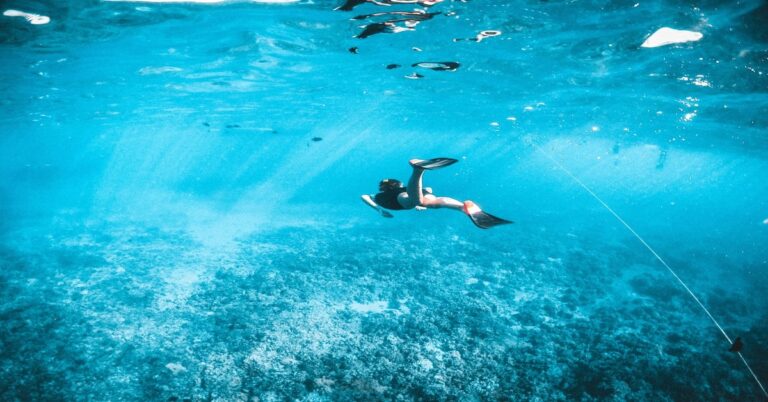
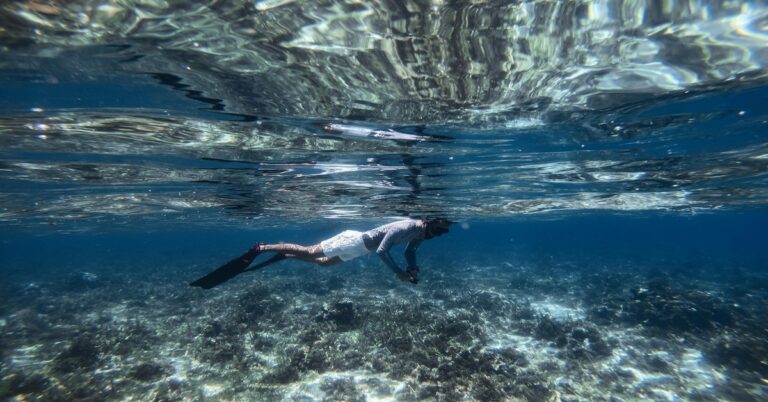
Blue water spearfishing is a different world. It’s not about sneaking over a reef line or ambushing fish in the shallows. You’re in the open ocean, hundreds of feet of water beneath you, with no bottom, no rocks, and no structure to hide behind. You are the structure. And the fish you’re hunting — tuna, mahi-mahi, wahoo — are built to cover miles of ocean in a day. There is no room for hesitation or poorly chosen gear.
My first blue water trip was humbling. I’ve since logged enough pelagic hours to know what actually works.
Most people talking about spearfishing are describing reef or shore hunting. That advice usually falls apart out here. This article is for divers who have some experience with a gun and want to make the jump to hunting pelagic fish in the blue. These blue water spearfishing tips come from days where you drive an hour offshore, spend hours looking for signs of life, and get maybe one or two good shots. That is the reality. If you can prepare for that, the payoff is worth it.
Why Blue Water Spearfishing Is Different
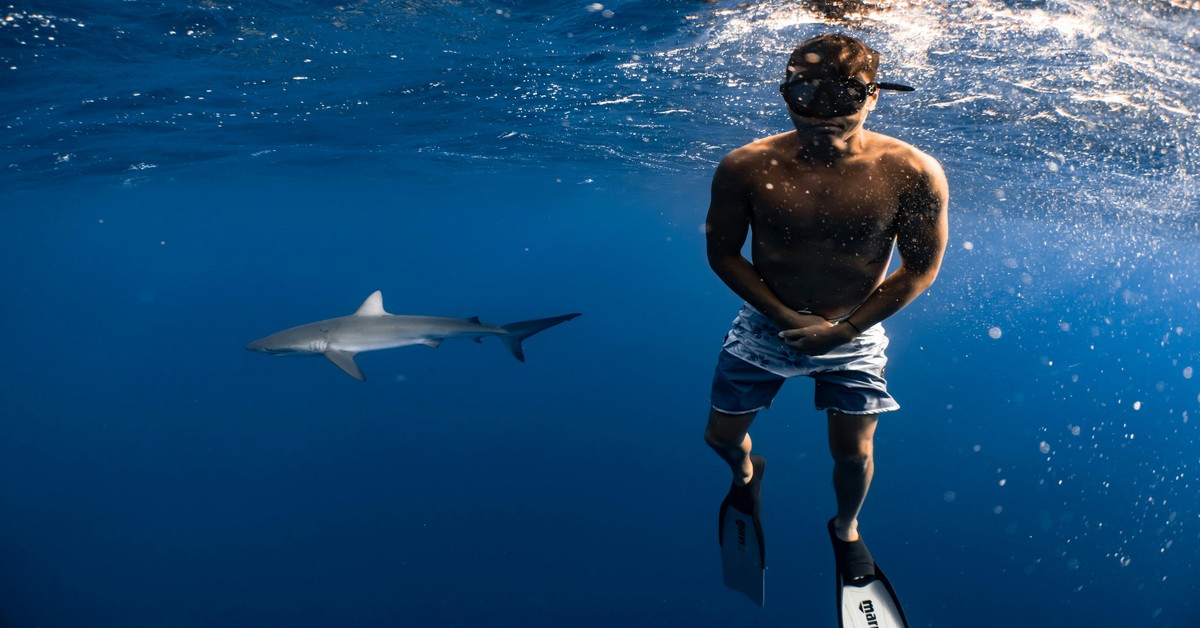
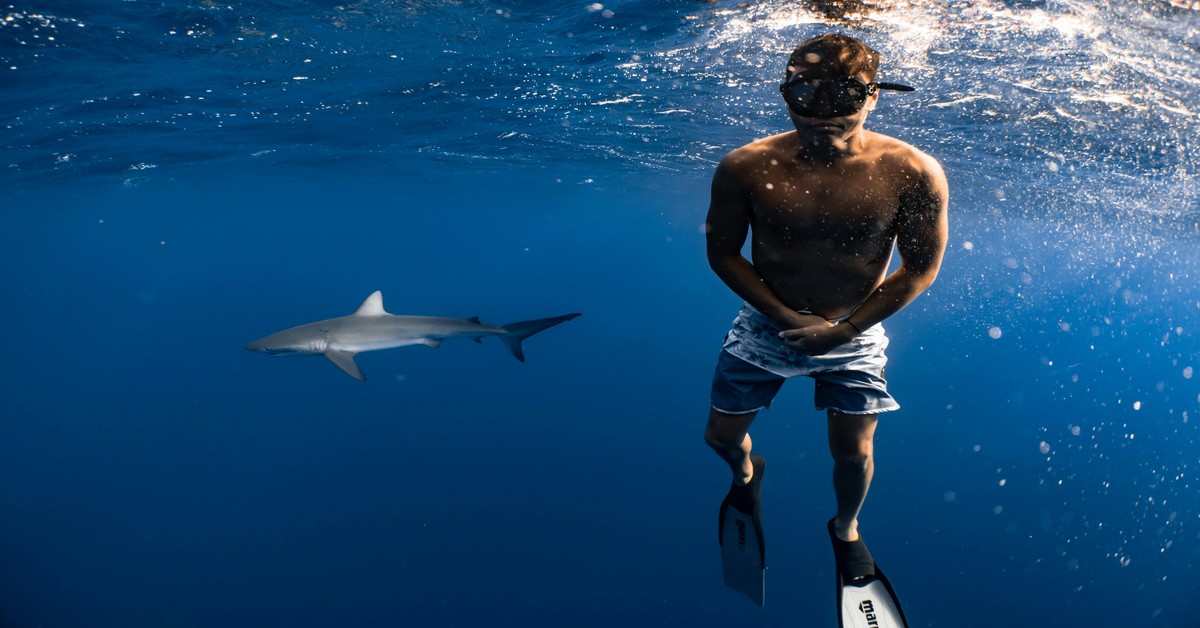
The first thing you notice is the visibility. In blue water, you can often see fifty, sixty, even a hundred feet in every direction. That sounds like an advantage, but it works against you. The fish can see you just as well. They have time to assess you, decide you don’t belong, and leave before you ever get close.
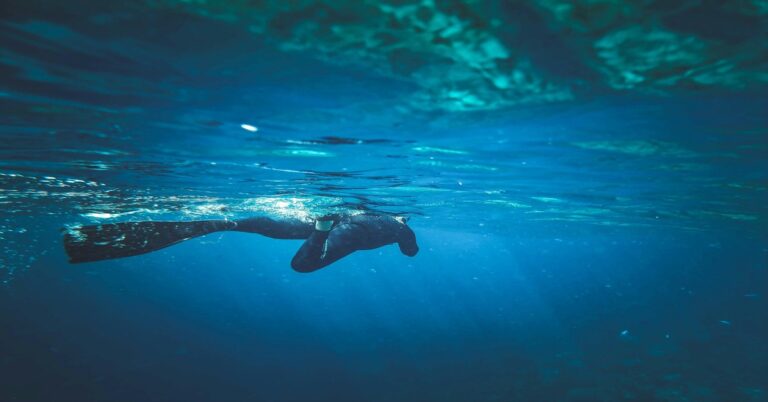
There are no reference points. No reef ledges to follow. No bottom contours to read. You are dropping into a three-dimensional water column where the only thing that matters is your ability to stay calm, manage your breath, and rely on your instincts and training. Many experienced reef divers feel disoriented their first time in blue water. That is normal.
Generic spearfishing advice about sneaking up on fish or using structure to break your silhouette doesn’t apply. In blue water, you have to become part of the environment. That means slow movements, controlled breathing, and a setup designed for long-range shots. The fish are not going to let you get within five feet. You need to be accurate and confident from twenty or thirty feet away.
Essential Gear for Blue Water Hunting
Your gear choices matter more out here than anywhere else. A reef gun that works perfectly over rocks will leave you frustrated in blue water. Here is what you need to prioritize:
- A longer gun. Look for something in the 55 to 65 inch range. Roller guns and pneumatic guns are popular for a reason. They give you the power to shoot accurately at distance without needing a ridiculously long shaft. A 55-inch roller gun is a solid starting point. Roller gun options worth considering.
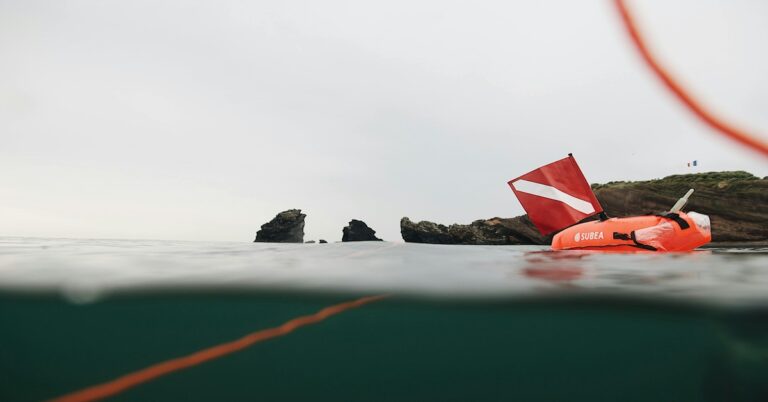
- A breakaway tip setup. A reel attached to the gun can work for smaller fish, but when a 60-pound tuna takes your shaft, you want a breakaway system. The shaft attaches to a float line via a breakaway cable, and the float line runs to a high-visibility float on the surface. The gun is not attached to the fish. This saves your gear and gives you a way to fight the fish without losing your rig.
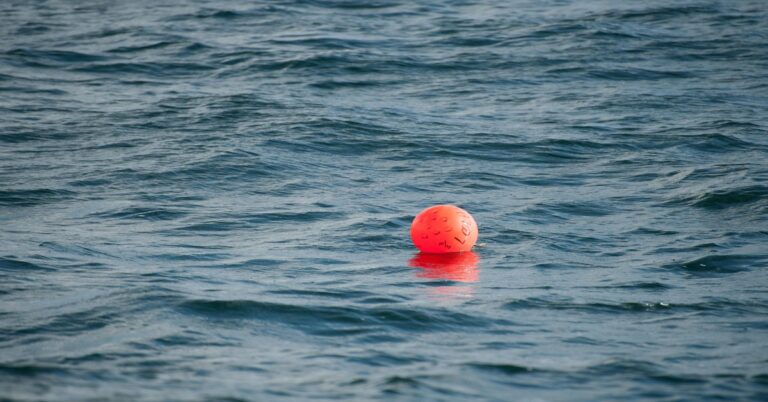
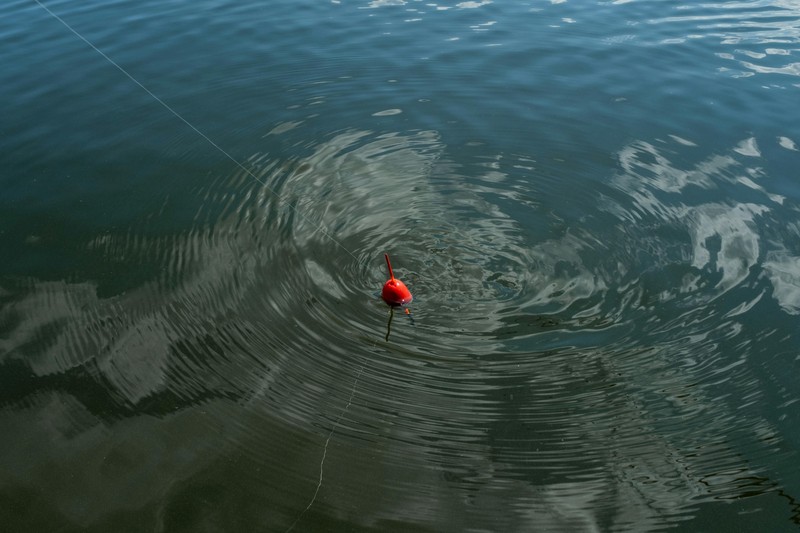
- High-visibility float. A bright orange or yellow float is essential. It marks your position for the boat and helps you track a fish that is running. Get one that doubles as a dive flag when possible. High-visibility spearfishing floats are worth a look.
- Wetsuit thickness. Many pelagic fish hang out around thermoclines. That means you might drop through warm surface water into significantly colder layers. A 5mm wetsuit with an open-cell interior is a good balance for most tropical waters. If you are hunting in cooler zones, go with 7mm.
Choosing the Right Gun and Shaft Setup
There is no one-size-fits-all gun for blue water, but you can narrow it down based on what you are hunting. For tuna, you want power and penetration. A roller gun with a 7mm or 7.5mm shaft is a strong choice. Go with a single flopper tip for tuna. The floppers deploy inside the fish and hold well.
For wahoo, you need speed. Wahoo are fast, skittish fish with a bony mouth. A slip tip is better here because it penetrates easier and does not get hung up on the tough jaw structure. Use a heavier shaft, around 8mm, for wahoo. They have strong bodies and can bend a thinner shaft.
For mahi-mahi, you can get away with a lighter gun. A 50-inch gun with a 6.5mm shaft works well. Mahi are not as tough as tuna or wahoo, and they often hang around floating debris, giving you a closer shot opportunity.
As for the reel versus breakaway debate: if you are hunting anything over 40 pounds, skip the reel. A breakaway system connected to a float line and float is more reliable. Reels can jam under tension. Breakaway cables do not. You can purchase high-quality shafts and tips online. Browse spearfishing shafts on Amazon.
Locating Pelagic Game Fish on the Open Ocean
Finding fish in the open ocean is a skill that takes time to develop. You cannot just drive out and hope. You have to read the water. Here are the signs that actually work:
- Bird activity. Terns and frigatebirds circling or diving on the surface usually mean baitfish below. Pelagic game fish drive bait to the surface. Follow the birds.
- Floating debris. Logs, pallets, or any structure floating in the blue attracts small fish and the predators that eat them. Mahi-mahi especially will hold under floating debris for days. Drive past anything that looks out of place.
- Weed lines. Where two currents meet, sargassum weed collects. These weed lines hold small baitfish, crabs, and shrimp. Pelagics patrol the edges. Work the line slowly with the boat and look for breaks or visible fish.
- Current breaks and temperature changes. Game fish prefer specific water temperatures. Tuna like 68 to 78 degrees Fahrenheit. Wahoo prefer warmer water. A temperature gauge on your electronics will show you where the thermoclines are. Mark them with a waypoint.
A drone can be a massive advantage. If regulations allow, launch it to scan ahead for bird activity or debris. It saves fuel and time. GPS is also your friend. Mark every spot you find fish, even if you do not shoot anything. Over time, you will build a library of productive zones.
Baiting and Chumming Strategies
Chumming is one of the most effective ways to bring pelagics to you. what matters is to create a consistent slick that draws fish in from a distance. You need the right bait and the right setup.
- For tuna: Use chunked oily fish like mackerel or sardines. Freeze them in blocks and hang them over the side in a mesh bag. The slow melt releases oil and particles into the current. Tuna will follow the scent trail.
- For wahoo: Whole small baits like ballyhoo or cigar minnows work better. Wahoo are visual hunters. They prefer to see something solid in the water. String a few baits on a line and let them drift down-current.
- For mahi-mahi: Any kind of chum works. They are opportunistic feeders. Crushed sardines, squid, or commercial chum blocks all bring them in. Mahi are less picky than tuna or wahoo.
Keep the boat positioned so the chum slick trails away from you. Divers should enter the water up-current and drift into the slick. This puts you in the path of fish coming to investigate. Check local regulations before chumming. Some areas have restrictions on certain baits or methods. A good chum bucket is worth buying.
Diving Techniques for Blue Water
Descending on a line is the standard approach in blue water. You tie off a weighted line to the boat or float, and you use it as a reference. This helps you maintain position and control your descent rate. Do not just kick down randomly. Use the line to pull yourself hand over hand. It conserves energy.
Focus on staying relaxed. Tension burns oxygen. On every dive, take two or three deep breaths at the surface, then clear your lungs and descend. Do not hyperventilate. That lowers CO2 levels and can cause blackout without warning.
Equalization is critical. If you pinch your nose and blow too hard, you can damage your ears. Use a gentle Frenzel equalization technique. Practice it on dry land if you need to. Many blue water divers find that they need to equalize more often because the descent can be fast.
Do not chase fish on a single breath. If you miss, surface, breathe, and try again. Overstaying your breath hold leads to hypoxia and blackout. It is not worth it. Build your breath-hold practice on dry land with CO2 and O2 tables. That will pay off in the water.
Shot Placement and Securing the Catch
Where you aim depends entirely on the species. The wrong shot means a lost fish or a wounded fish that attracts sharks.
- Tuna: Aim just behind the head, above the pectoral fin. That is the spine. A solid hit here drops them instantly. If you hit too far back, you are in the gut or tail, and you will have a long fight on your hands.
- Wahoo: Aim at the shoulder, just behind the gill plate. The head of a wahoo is hard and bony. A shoulder shot penetrates the body cavity and hits vital organs. Do not aim for the head.
- Mahi-mahi: They are easier to stop. Aim for the center of the body, behind the head. A single flopper will hold them well.
After the shot, things happen fast. The fish will run hard. Let the float line do its job. Do not grab the line until the fish tires. Keep your knife accessible to bleed the fish quickly. A quick cut behind the gills or into the tail section stops the meat from spoiling and reduces lactic acid buildup. If you are gaffing the fish from the boat, bring it in headfirst and avoid the tail. Wahoo tails can cut you badly.
Safety Risks You Need to Plan For
Blue water is not a forgiving environment. The risks are real, and you need to plan around them.
- Buddy system. Never dive blue water alone. Even with a boat overhead, things can go wrong. A buddy can help with a tangled line, an unexpected shark, or a blackout situation. Stay within sight of each other.
- Boat positioning. The boat needs to stay close enough to pick you up but far enough not to spook fish. Designate one person as the spotter. They watch the divers and the float lines at all times. Do not let the captain drift away.
- Currents. Some days the current runs hard. If you are drifting faster than you can swim, you get separated from the boat fast. Use a drift anchor or stay clipped to the boat line. Be aware of wind direction too. Wind and current often oppose each other.
- Shark behavior. Bringing a bleeding fish to the surface in blue water can attract sharks. It is a risk you accept. If you see a shark on the way up, assess its behavior. If it is circling aggressively, let the fish go. It is not worth swimming into a dangerous situation. Some divers use shark shields. They are an added layer of protection worth considering. Look at shark shield options on Amazon.
- Fog and visibility loss. In some areas, fog rolls in fast. If you lose sight of the boat, you are in trouble. A personal locator beacon or EPIRB attached to your float gives you a way to signal the boat. Check out personal locator beacons on Amazon.
Common Mistakes Beginners Make in Blue Water
Most mistakes come down to preparation and mindset. Here are the ones I see most often:
- Not scouting enough. Beginners want to jump in the first patch of blue they find. Rarely is that productive. Spend the first hour driving and looking. Find signs of life. Do not just guess.
- Poor gun setup. Using a reef gun with a reel and a short shaft on a 50-pound wahoo is a recipe for losing fish. Your gear needs to match the target. Overpowering is better than underpowering in blue water.
- Overestimating breath hold. New blue water divers often push their breath hold too far. They want to get deeper or stay longer, and then they surface with a headache. That is a warning sign. Back off. Build breath hold over time, not in a single day on the water.
- Ignoring thermoclines. The fish may be at 30 feet under warm water or at 80 feet under a cold layer. If you are not checking temperature on your dive computer, you are diving blind.
- Not using a proper float line. A cheap line that tangles easily will ruin your day. Invest in a good quality float line that floats and does not kink. It makes a huge difference when fighting a fish.
Choosing the Best Boat and Platform for Blue Water
Your boat is the foundation of the operation. It does not need to be fancy, but it needs to be suited for the work.
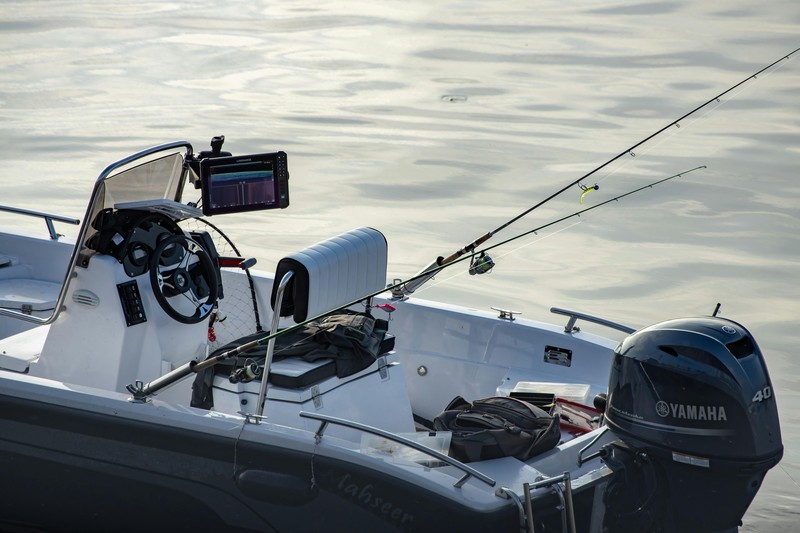
A center console in the 22 to 26 foot range is the most common choice. It offers good visibility, easy access around the deck, and enough storage for tanks, guns, and coolers. Look for one with a sturdy ladder that can handle getting back aboard with gear on. A flip-down swim platform or a telescoping ladder is a big plus.
If you are on a budget or fish in calmer waters, a rigid inflatable boat (RIB) can work. They are stable, fuel-efficient, and easy to tow. The downside is less storage space and a rougher ride in chop.
Charters are another option if you do not own a boat. Many spearfishing charters operate out of coastal towns and cater specifically to blue water hunters. They come with a captain who knows the area and handles the boat positioning. That lets you focus entirely on diving. Check reviews and ask about the crew’s spearfishing experience before booking.
Boat accessories worth considering include a dive ladder, a dry box for electronics, and a bait freezer if you run a lot of trips. Browse dive-ready boat ladders on Amazon.
Putting It All Together: A Day on the Water
A successful blue water day starts well before dawn. You launch the boat, load your gear, and head out while it is still dark. The first hour is about scouting. You get to your first waypoint, watch for birds and debris, and check the temperature gauge.
You find a promising weed line around sunrise. The birds are working. You set the chum bag over the side and start a drift. The current is moderate. You and your buddy take turns diving. On the third drop, you see a shape materialize out of the blue — a decent sized tuna. You track it, aim behind the head, and take the shot. The fish runs hard, pulling the float line. Your buddy dives in to help. You work together to bring it to the surface, bleed it, and get it into the boat.
That sequence is the payoff for the hours of driving, the careful gear selection, and the patience. Not every day ends with a fish in the boat. But when it does, you know the preparation was worth it.
If you have never tried blue water spearfishing, start with a charter. It gives you a low-risk way to experience the environment and learn from people who do it regularly. And if you are ready to build your own setup, start with the essentials: a reliable gun, a good float line, and a float that does the job. Everything else follows.