Improving Your Surface Interval for Safe Diving
Introduction
If you’re into spearfishing, you’ve likely spent plenty of time dialing in your breath-hold, finning technique, and gear setup. But there’s one part of diving that often gets overlooked until it becomes a problem: the surface interval. Getting your spearfishing surface intervals right is one of the most straightforward ways to stay safe, keep your energy up, and actually get more out of each session. I’ve been in the water for years, and I’ve watched skilled divers burn through their energy, get into sketchy situations, or miss fish simply because they didn’t manage their time on the surface well. This isn’t about theory you’ll never use. It’s about practical, real-world strategies you can take on your next trip to dive safer and perform better.
I used to treat surface intervals as dead time. Learning to use them strategically doubled my productive bottom time.
What Is a Surface Interval and Why Does It Matter?
Simply put, a surface interval is the time you spend recovering at the surface between dives. For a spearfisher, this isn’t the same as the decompression stops scuba divers make. In freediving and spearfishing, the surface interval is about letting your body reset before the next breath-hold. That means giving time for three critical things to happen. First, your body needs to clear the carbon dioxide that built up in your blood and tissues during your dive. High COâ levels drive that urge to breathe, and if you don’t give your body time to clear it, your next dive will feel much shorter. Second, your oxygen stores need replenishing. Your muscles, organs, and blood need to be saturated with oxygen again after that dive. Third—though less of a concern for recreational spearing—some off-gassing of nitrogen from your tissues does happen, and respecting surface intervals helps lower your risk of decompression sickness over a long day of diving.
From a performance angle, a good surface interval means you go into your next dive with a calm mind, relaxed muscles, and full breath-hold potential. A poor one means you’re starting the next dive already in oxygen debt, which cuts your bottom time and increases your risk of shallow-water blackout. It’s not just about safety. It’s about getting the most out of every breath you take.
The Misconception: More Time on the Surface Means More Fish
A lot of divers figure that the longer they stay on the surface, the more time they’ll have to look for fish. The logic sounds reasonable: rest more, dive longer, see more. But it often backfires. When you sit on the surface for an extended time, a few things happen that hurt your performance. You lose your dive focus. Your body cools down, especially in water below 70°F, which makes your next dive more oxygen-hungry. Your muscles stiffen up. And honestly, you miss opportunities because you’re not in the water hunting. The real tradeoff is between physiological recovery and operational efficiency. A five-minute recovery might be enough, but a ten-minute one might leave you cold and distracted. The trick is finding the sweet spot where you’re recovered enough to dive safely and effectively, but not so long that you lose your edge or your body temperature drops. On most days, that sweet spot is shorter than you think. The fish are in the water, not on the surface. Get your recovery done and get back in the zone.
How Long Should Your Surface Interval Be?
There’s no single answer that works for everyone, but there are reliable guidelines you can adapt to your situation. A very common starting point in the spearfishing community is the 2x dive time rule. If your dive lasts one minute, take at least two minutes on the surface. If you’re pushing two-minute dives, aim for four to five minutes on the surface. That’s a safe baseline for most conditions. But it’s just a starting point. You need to adjust based on several factors. Depth matters a lot. A deep dive to 60 or 70 feet puts more physiological stress on your body than a shallow reef dive to 20 feet. Expect a deeper dive to need a longer interval, often closer to 3x the dive time. Water temperature is another big one. Cold water saps your energy and forces your body to work harder to recover. In water under 60°F, I’ll often double my surface interval compared to what I’d take in warm 75°F water. Your own exertion level also matters. If you just had a tough dive where you fought a current or chased a fish, your body needs more time to normalize. Listen to it. Finally, your personal fitness level is a variable. Someone well-conditioned can handle shorter intervals. A beginner or someone returning to diving after a break needs more time. A good rule of thumb is to never be in a hurry to descend. If you feel even slightly not ready, wait another minute. It’s better to waste a minute on the surface than to deal with trouble underwater. For a quick reference, here’s a basic breakdown:
- Shallow, Warm Water (15–30 ft, 70°F+): 2–3 minutes minimum. A 1-minute dive needs at least 2 minutes recovery.
- Moderate Depth, Warm Water (30–50 ft, 70°F+): 3–5 minutes minimum. A 1.5-minute dive needs at least 3 minutes.
- Deep Dives (50–80 ft): 5–8 minutes minimum. A 1.5-minute dive might need 5–7 minutes.
- Cold Water (Below 65°F, any depth): 5–7 minutes minimum regardless of dive length. You need the extra time to manage temperature and metabolic stress.
- After a Struggle or High Exertion: 8–10 minutes or more until you feel fully composed.
What to Do During Your Surface Interval
How you spend your time on the surface is just as important as how much time you spend. Here’s a sequence that works well. First, find a stable position. Hold onto your dive float or boat, and try to relax your entire body. The goal is passive recovery, not active work. Start with controlled, gentle breathing. Take slow, relaxed breaths. Inhale fully, but not forcefully. Exhale completely. Focus on making your exhale slightly longer than your inhale. This helps lower your heart rate and clear COâ. Avoid the temptation to hyperventilate. Big, rapid breaths won’t help you recover faster. They can actually cause your blood vessels to constrict and reduce blood flow to your brain, increasing blackout risk. Instead, just breathe normally and calmly. Keep your mask cleared and your airway clear. This is also a good time to glance around and check your surroundings. Look for boat traffic, other divers, or any changes in conditions. If you’re in a group, use this moment to check on your buddy. A quick head nod or thumbs up is all it takes. A common mistake is to tense up during recovery. People hold their shoulders tight, clench their jaws, or kick their fins nervously. This keeps your heart rate elevated and slows recovery. Actively tell yourself to relax. Let your arms hang. Let your legs float. Just be a piece of driftwood for a couple of minutes. This passive approach sets you up for a strong, safe next dive.
Hydration, Nutrition, and Energy Management
You can’t recover effectively if your body is running on empty. Dehydration is one of the most common hidden factors that ruins spearfishing sessions. Even mild dehydration thickens your blood, making it harder for your heart to circulate oxygen and harder for your body to clear COâ. The result is a shorter breath-hold and a longer perceived recovery. The same goes for low blood sugar. If you’re a few hours into a session and you haven’t eaten anything, your body is running at a deficit. You’ll fatigue faster, think slower, and be more prone to mistakes. The solution is simple but often overlooked. Start your day well-hydrated. Drink water in the morning, not just coffee. During your dive session, keep a water bottle on your float or in the boat. Take a few swallows every surface interval. You don’t need to chug a liter, just maintain your hydration. For snacks, think light and fast-energy. Bananas, energy gels, small trail mix packs, or a simple PB&J work great. Avoid heavy, greasy meals that will sit in your stomach and divert blood flow to digestion. I’ve seen divers lose a whole day’s potential because they ate a burrito for lunch and felt sluggish for hours. You can also consider electrolyte tablets dissolved in water, especially if you’re diving in hot conditions. These help replace what you lose through sweat and breathing. A solid hydration pack or a simple insulated water bottle is a worthwhile investment. You’re already hauling gear. A little extra weight for water and a snack is a small price for a much more effective session.
Gear That Helps You Recover Faster Between Dives
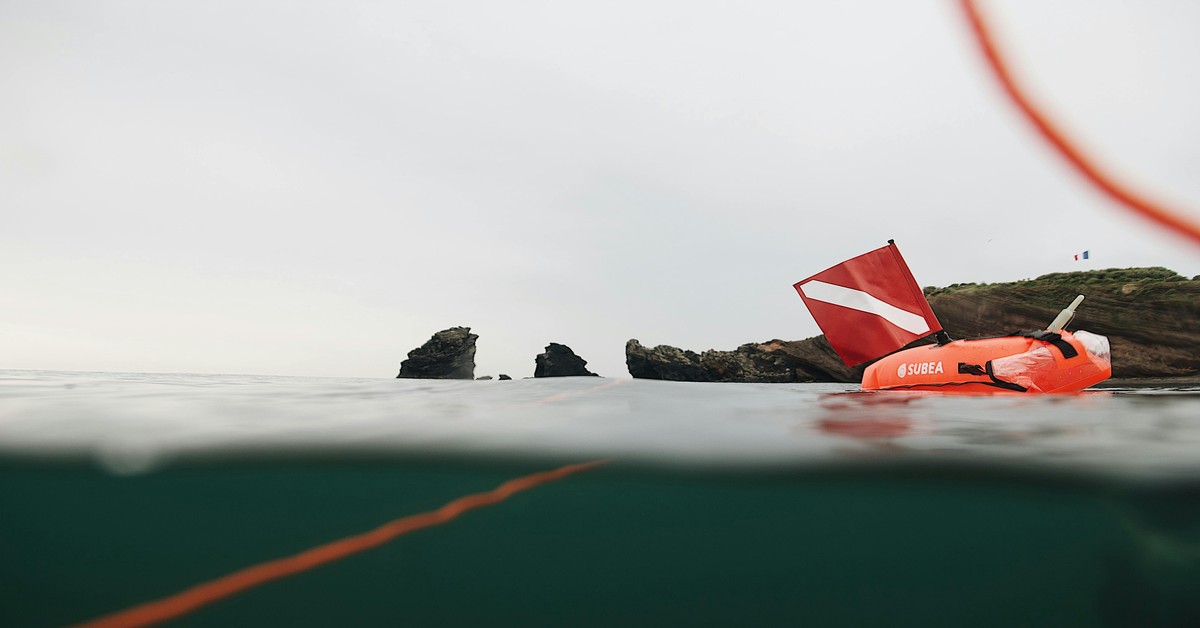
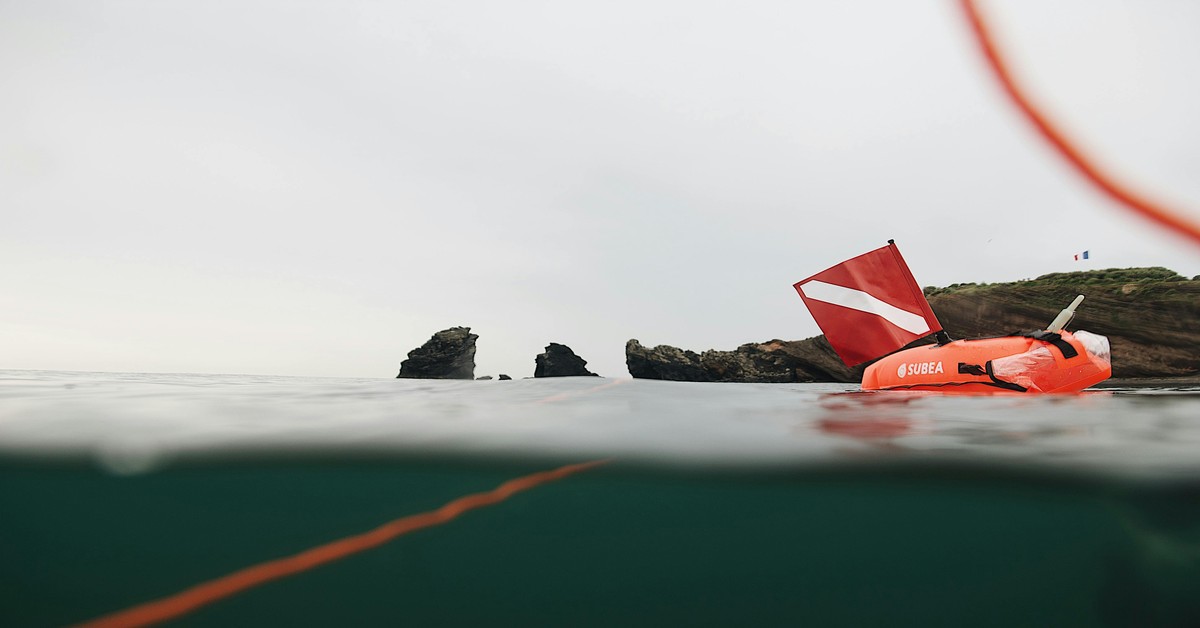
Good gear can make your surface intervals less of a chore and more of a controlled recovery. The most impactful piece of equipment is your wetsuit. Look for a suit with an easy-to-open chest or shoulder zipper. When you’re on the surface in warm weather, ventilating your suit by opening the zipper a few inches can prevent overheating, which can be just as draining as being cold. In cold water, a high-quality suit that fits well and has a proper hood and gloves will keep you warmer, which directly translates to faster recovery because your body isn’t working so hard to maintain core temperature. Divers who frequently dive in cooler conditions may want to consider a hooded wetsuit for that purpose. Your dive float is another critical tool. A float with a built-in rest platform or a robust grab line makes staying on the surface much easier. You can just drape yourself over it or rest your arms on it, which takes minimal effort. It’s far better than treading water, which burns energy and keeps your heart rate up. A high-visibility flag buoy not only helps with safety but also gives you a stable point to hold onto. For the items you need on the surface, a waterproof dry bag clipped to your float is invaluable. You can stash your water, snacks, phone, and extra gear in it, keeping everything accessible and dry. This gear isn’t luxury. It’s practical. It allows you to do the right things on the surface with less friction. If you’re looking to upgrade your setup, these are the items to prioritize. A well-designed dive float with a padded rest surface or a compact dry bag for your hydration kit will pay for itself in the first few sessions.
Common Surface Interval Mistakes Even Experienced Divers Make
Even veteran spearfishers slip up on surface intervals. Here are the main ones I see regularly. Rushing back down. You feel good, you’re eager, and you drop before you’ve fully recovered. This is probably the most common mistake. It leads to a shortened next dive and increases your risk. If you still feel even a little urge to breathe, you’re not ready. Wait. Second, not watching your buddy. The surface interval is a prime time for communication. If you’re not paying attention to where your buddy is or how they look, you miss critical safety cues. A quick check is part of your responsibility. Third, ignoring the cold. Shivering is your body’s way of saying it’s losing the battle. Ignoring it and diving again can lead to a dangerous loss of coordination and judgment. If you’re shivering on the surface, your interval needs to be much longer, or you need to end the session. Fourth, not rehydrating. It’s so easy to forget to drink when you’re focused on diving. But as I mentioned, it’s a performance killer. Take a sip every interval. Make it a habit. Finally, overthinking your recovery. I see divers who are so focused on controlling their breathing and heart rate that they actually get anxious. They try to force relaxation, which creates the opposite effect. Just breathe normally, float, and let your body do its job. Trust your physiology.
Surface Intervals in Group Versus Solo Diving
The dynamic of surface intervals changes a lot depending on whether you’re diving solo or with a group. As a solo diver, you have complete control over your pacing. You can take exactly as long as you need for each interval without any external pressure. That’s a huge advantage for safety and performance. The downside is that you are also solely responsible for observing your own state, which can be tough when you’re fatigued. When diving with a group, you need to be more deliberate. The most important thing is to establish clear rules before the first dive. Agree on a minimum surface interval for everyone, say three minutes, and hold each other accountable. You also need a system for pairing up. In a team of three, have a dedicated dive buddy pair while the third acts as a surface watch. The surface watch stays on the float or boat, monitors the divers, and signals when the interval is up. This ensures everyone gets proper rest and no one is rushed. The biggest risk in group diving is the “one more dive” mentality. One person feels ready, and they pressure the others into shortening their intervals. This is where experienced leaders need to step in. A simple “Hold up, we’re waiting two more minutes” keeps everyone safe. Good communication, not competition, is what makes a group dive successful.
How Water Temperature and Conditions Affect Your Interval
Your surface interval needs to be fluid, not fixed. A guideline that works in 75°F water will feel dangerously short in 55°F water. Cold water is the single biggest external factor that demands longer intervals. Your body’s thermoregulation system works overtime to keep your core warm in cold water, using up a huge amount of energy and oxygen. After a dive in cold water, your body is already stressed. A short surface interval means you’re diving again before your core temperature has stabilized, which can lead to rapid fatigue and a much higher risk of hypothermia. In cold water, never rush. Plan on intervals of at least five minutes, often longer. Warm water allows for faster recovery because your body isn’t fighting to maintain temperature. You can usually get away with shorter intervals, but don’t assume you can skip recovery entirely. Rough seas and currents are another factor. If you’re holding a float in choppy water, you’re burning energy just staying in place. Your heart rate stays elevated, and recovery takes longer. The same goes for strong currents. If you have to swim hard against a current just to hold your position, you’re not truly resting. In these conditions, extend your intervals by 50% or more. Poor visibility can also have an effect. When you can’t see well underwater, your diving often becomes more cautious and deliberate, which can be mentally taxing. Giving yourself an extra minute on the surface to compose your thoughts is a good practice.
Tracking Your Surface Interval: Logs, Apps, and Buddies
You don’t need a complex system to track your surface intervals, but having some kind of feedback tool is enormously helpful. The most reliable method is a dive watch with a freedive mode. Many watches have a surface interval alarm or timer that you can set. You just press a button when you surface, and it counts down your rest time. That takes the guesswork out of it. I’ve used basic stopwatches and high-end dive computers. A simple digital watch with a countdown timer works fine. You can also use a smartphone app designed for freediving. Many apps allow you to log your dive times, surface intervals, and depth. They also provide basic analytics. The downside of an app is that you need to have your phone on your float in a waterproof case. That’s fine for many situations, but some people prefer not to have their device near saltwater. A low-tech approach that works well is a buddy system. Designate a partner who keeps an eye on the time and signals when the interval is up. That requires a watch and coordination, but it works. what matters is consistency. Don’t guess. Using a timer, even a cheap one, builds discipline. Over time, you’ll develop a more accurate internal sense of how long you’ve been resting, but in the beginning, a timer is your best safety net. If you’re in the market for a dedicated dive watch, look for one with a dedicated freedive mode with surface interval and depth tracking. These are purpose-built tools that make managing your dives easier.
When to Call It: Recognizing Signs You Need a Longer Break
No rulebook can replace listening to your body. There are clear physical and mental signs that tell you your surface interval isn’t long enough, or that you need a much longer break, or that you should end the session. Headache is a big one. A headache during or after a dive often means you pushed your COâ tolerance too far or that you’re dehydrated. If you get a headache on the surface, do not dive again. Take a 10-minute break, hydrate, and reassess. If the headache persists, call the dive. Dizziness or lightheadedness is a red flag for hypoxia. It means your brain didn’t get enough oxygen. That’s a serious sign. You need a long rest, and you probably should not dive again for several hours. Shivering, as I’ve mentioned, signals that your body is losing its battle with the cold. When you start shivering, your coordination and judgment are already impaired. A longer interval might help if you dry off and get warm, but often it means you need to get out of the water. Poor coordination is another sign. If you have trouble holding your float, fumble with your mask, or your finning feels sloppy, there’s a problem. That could be from fatigue, cold, or the beginnings of hypoxia. Stop and evaluate. Finally, the feeling of being rushed. If you feel an internal pressure to get down again quickly, that’s a mental sign of fatigue. You are pushing yourself. The right decision is always to wait longer. The ocean will be there. You only get one life. These signs aren’t optional things to ignore. They are your body’s safety warnings. Treat them with respect.

Putting It All Together: A Sample Surface Interval Routine
Let’s put all this into a concrete example. Imagine you’re doing a moderate-depth spearfishing session in 68°F water, diving to 35–45 feet. Your target dive time is 90 seconds. Here’s how your surface interval routine might look. After you surface from a dive, the first 15 seconds are critical. Don’t try to clear your airway immediately. Just float on your back or hold your float and breathe slowly. Your first breath might be a gasp—that’s fine. Focus on getting a couple of slow, full, relaxed breaths. Next, take about 30 seconds to clear your sinuses, spit out any water, and adjust your mask. Then, for the next 1.5 to 2 minutes, focus on passive recovery. Rest your arms on your float, let your legs dangle, and breathe normally. Your breathing should be relaxed, not forced. During this time, take a small sip of water from your dry bag. Glance around and check for boats. Then, take another 30 seconds to check in with yourself. Do you feel any shivering? Any headache? Any dizziness? If yes, extend your rest by another 2 minutes. If everything feels fine, take a final 30 seconds to do a quick gear check. Is your mask cleared? Is your weight belt secure? Is your float line clear? Once you feel completely calm and relaxed, and only then, take a final easy breath and begin your dive. This whole process should take about 3 to 4 minutes. If you need 5 minutes, take 5. The point is the structure, not the exact number. It teaches you to make each interval intentional. You’ll find that after a few sessions with this routine, it becomes automatic, and your safety and performance will both improve.
Ready to Dive Smarter?
Mastering your surface intervals is one of the fastest ways to become a safer and more effective spearfisher. It’s not a complex skill, but it does take attention and discipline. Focus on your recovery, stay hydrated, use the right gear, and always listen to your body. The practical steps in this guide are meant to be used right away. Every dive is a chance to learn and refine your approach. Make your surface time count.