Post-Dive Recovery: Hydration and Nutrition for Spearos
Why Recovery Matters After Spearfishing
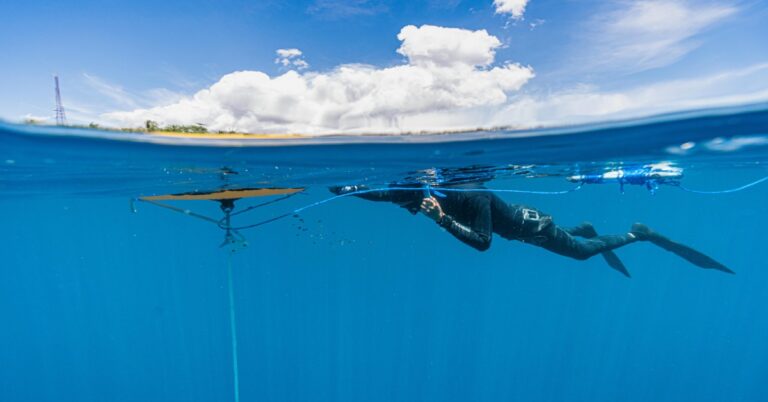
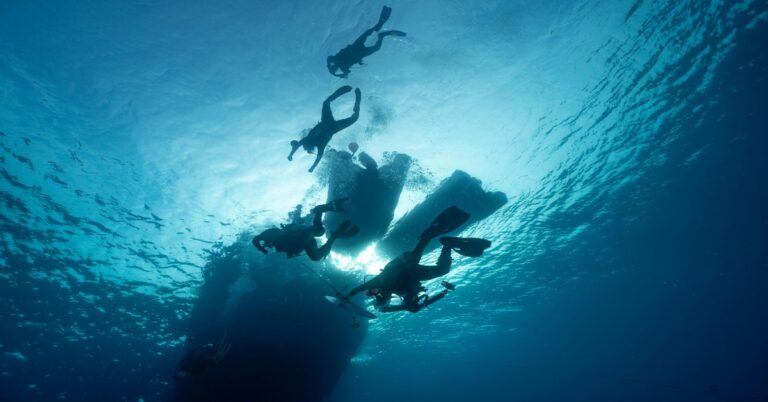
Spearfishing is deceptive. You float, dive, and hold your breath. It doesn’t look like a workout. But anyone who has spent a full day in the water knows the truth. Breath-hold diving taxes your body in ways most land-based sports don’t. Cold water siphons your heat. Finning against current works your legs and core harder than a gym session. Carrying gear up a rocky shoreline after a long dive is its own workout. All that effort depletes your fluids, electrolytes, and stored glycogen. Ignoring this is a mistake.
I used to crawl back on the boat completely wrecked after a day of diving. Fixing my recovery routine changed everything.
When you don’t recover properly, your body tells you. Cramps hit earlier in the dive. Your breath-hold times shrink. Your decision-making gets sluggish. And in our sport, that’s not just a performance issue—it’s a safety issue. Shallow water blackout risk increases when you’re dehydrated and under-fueled. That’s not alarmism. It’s physiology.
This article covers the practical side of recovery for spearfishers. Hydration. Electrolytes. Food timing. Common mistakes. The goal is simple: give you actionable steps that keep you diving harder, longer, and safer. This is spearfishing recovery nutrition stripped of the fluff. Let’s get into it.
The Hydration Problem: You’re Drier Than You Think
Here’s the part that surprises most divers. You lose more fluid while submerged than you do sitting in the sun. It’s called immersion diuresis. Cold water constricts your blood vessels, which increases blood pressure in your core. Your kidneys respond by producing more urine. You don’t feel yourself sweating, but you’re losing water all the same.
Most spearos show up already under-hydrated. They had coffee for breakfast and a quick glass of water. That’s not enough. By midday, you’re running on fumes. The signs are easy to miss: dark urine, early fatigue, a headache that creeps in after surfacing. If you feel off, check your hydration first.
A simple protocol works. Drink about 500ml of water about an hour before you get in the water. Sip another 250ml right before you suit up. After you surface, aim for 750ml per hour for the next two to three hours. That sounds like a lot, but you need it. Just don’t chug it all at once. Spread it out.
One warning: don’t overdo plain water. Drinking too much without electrolytes can cause hyponatremia—low sodium levels. That’s dangerous and mimics decompression sickness symptoms. The fix is easy: add electrolytes to your water, which we’ll cover next.
Electrolytes: The Missing Piece in Most Divers’ Recovery
Water alone won’t cut it. Your muscles need sodium, potassium, magnesium, and calcium to fire properly. When those drop, cramps happen. When cramps happen underwater, that’s a real problem.
Plain water actually dilutes your remaining electrolytes if you’re already depleted. That’s why an electrolyte drink works better. Products like Nuun Sport tablets or Liquid IV are convenient. Dissolve one in your water bottle before your first dive. Sip it throughout the day, not just after. That proactive approach prevents the deficit from forming in the first place. Travelers who need a convenient option can find electrolyte tablets that fit easily in a dive bag.
If you prefer something homemade, mix water with a pinch of salt, a squeeze of lemon, and a little honey. It’s cheap and effective. Just make sure you’re using real salt—preferably sea salt or Himalayan salt—for the trace minerals.
The mistake most divers make is waiting until they feel bad. By then, you’re already behind. Add electrolytes to your water before the first dive of the day. You’ll notice the difference by the third or fourth drop.
Post-Dive Nutrition Window: Timing Your Refuel
There’s a window after exercise where your body sucks up nutrients like a sponge. For spearfishing, that window is roughly 30 to 60 minutes after your last dive. That’s when your muscles are most receptive to glycogen replenishment and protein for repair.
You don’t need a complicated meal. A 3:1 or 4:1 ratio of carbs to protein works well. That means if you have 40 grams of carbs, aim for about 10 grams of protein alongside it. A banana with a scoop of whey protein in water is dead simple. A peanut butter sandwich with a glass of milk works too. Greek yogurt with berries and a drizzle of honey gets the job done.
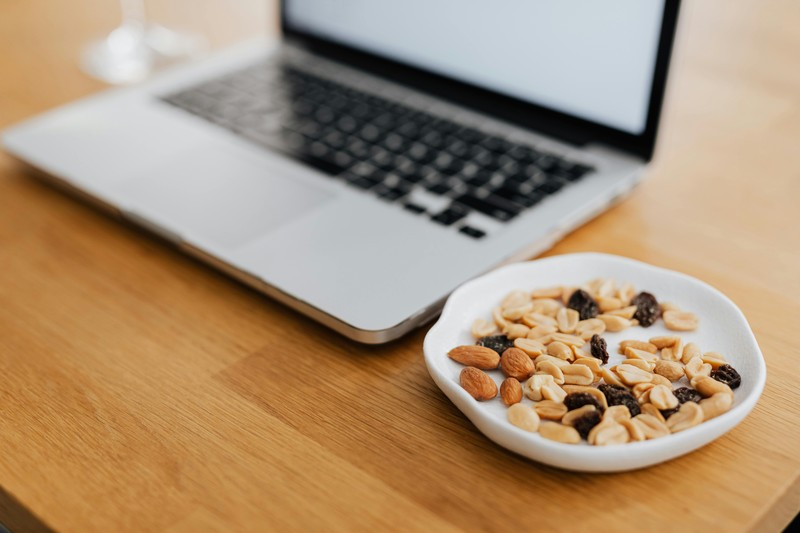
If you’re boat-based or shore-diving remote spots, bring something portable. A portable protein shaker bottle and single-serve protein packets are easy to pack. Even a bag of trail mix with nuts and dried fruit beats eating nothing. For those who need a reliable shaker, a portable protein shaker bottle is a practical choice for post-dive refueling.
Don’t overthink this. The window is real, but it’s forgiving. Eating within two hours still helps. Just don’t wait until dinner to refuel. Your next dive day will thank you.
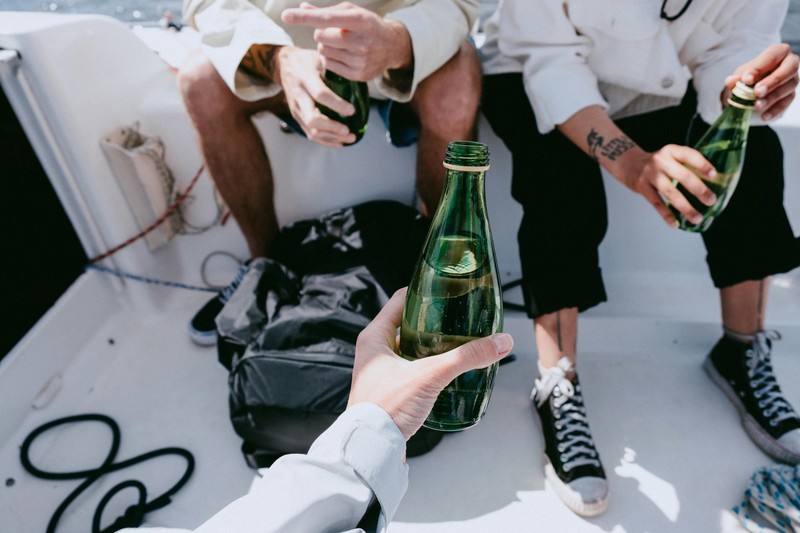
Best Foods for Spearfishing Recovery
What you eat matters as much as when you eat. The best recovery foods for spearos are portable, shelf-stable, and nutrient-dense. You’re not always near a kitchen. Packing smart makes the difference.
- Sweet potatoes. Great source of complex carbs and potassium. Bake them before your trip and wrap in foil. Eat cold or warmed up. They’re filling without being heavy.
- Eggs. Hard-boiled eggs last a day or two without refrigeration if needed. They pack protein and healthy fats. Easy to eat on the boat or after surfacing.
- Jerky. Beef, turkey, or salmon jerky delivers protein without needing a cooler. Look for lower-sodium options if you’re already using electrolyte drinks. It’s a no-fuss option.
- Mixed nuts. Almonds, cashews, walnuts. They provide healthy fats, magnesium, and some protein. Pre-portion them into small bags so you’re not eating an entire jar.
- Berries. Fresh or frozen. Blueberries and cherries are anti-inflammatory. Frozen berries double as ice packs in your cooler. Eat them with yogurt or on their own.
- Recovery bars. Not all bars are created equal. Look for ones with at least 10g of protein and minimal added sugar. Brands like RxBAR or KIND have clean ingredients. They’re a backup, not a first choice.
Here’s a practical takeaway: pack a cooler the night before a dive day. Include water, electrolyte tabs, a few hard-boiled eggs, a sweet potato, a bag of nuts, and a recovery bar. That covers your bases without overcomplicating things.
Protein for Muscle Repair: How Much Do You Really Need?
Some spearos think their sport doesn’t require protein. That’s wrong. Every time you dive, you’re using your legs to fin, your core to stabilize, and your arms to carry gear. You’re also holding your breath, which puts stress on your cardiovascular system. That effort breaks down muscle tissue.
Post-dive, aim for about 20 to 30 grams of protein. That’s roughly a scoop of whey protein, a can of tuna, three eggs, or a chicken breast. Fast-digesting protein like whey works well right after your last dive. It gets amino acids into your bloodstream quickly. Slow-digesting options like casein (found in milk and Greek yogurt) are better for a meal a few hours later, providing a steady release.
If you’re diving multiple days, don’t skip the protein. Your muscles won’t recover in time for the next session. A simple protein shake post-dive fixes that. If you prefer whole food, bring pre-cooked chicken or grilled fish. Leftovers from dinner work great as a post-dive snack.
You don’t need to obsess over exact numbers. 20 to 30 grams is a solid target. Anything close to that range will support recovery. Just don’t skip it entirely.
Common Recovery Mistakes Spearos Make (And What to Do Instead)
I’ve seen the same mistakes on boats and shore dives for years. They’re easy to make. Here’s what to avoid and what to do instead.
Mistake: Diving on an empty stomach. Some divers skip breakfast to avoid feeling full. That backfires. You run out of energy fast and your body burns muscle for fuel.
Fix: Eat a light meal with carbs and a little protein an hour before diving. A banana and a handful of almonds works.
Mistake: Chugging coffee right after surfacing. Coffee is a diuretic. If you’re already dehydrated, caffeine makes it worse.
Fix: Rehydrate first. Have 500ml of water with electrolytes before your first cup of coffee.
Mistake: Eating heavy fried foods post-dive. Burgers and fries taste great. They’re also hard to digest and don’t provide the nutrients your body needs for recovery.
Fix: Choose something with protein and complex carbs. Grilled chicken with rice or a quinoa bowl will refuel you without the sluggishness.
Mistake: Ignoring hydration until evening. You might feel fine after surfacing, but by dinner you’re headachy and tired. That’s cumulative dehydration.
Fix: Keep sipping water and electrolytes throughout the afternoon. Set a timer on your phone if you need a reminder.
Mistake: Skipping post-dive protein. If you wait until dinner to eat protein, you miss the recovery window. That leads to soreness and slower adaptation.
Fix: Eat or drink something with protein within two hours of your last dive. Even a glass of milk helps.
Supplements Worth Bringing on a Dive Trip
Supplements aren’t essential, but a few can make a real difference on a dive trip. Here’s what I’ve found useful through personal experience and conversations with other spearos.
BCAAs or EAAs. Branched-chain amino acids or essential amino acids support muscle recovery, especially on multi-day trips. They reduce soreness and help repair micro-tears from finning. Mix a scoop in your water post-dive. It’s a low-effort addition that works.
Creatine monohydrate. Creatine supports high-intensity output. Spearfishing involves short bursts of effort—finning hard, fighting current, hauling gear. A standard 5g daily dose helps with power output and recovery. It’s one of the most researched supplements out there. Skip the fancy versions. Basic monohydrate works.
Vitamin D. If you dive in cloudy regions or spend a lot of time in a wetsuit, you might not get enough sun exposure. Vitamin D supports bone health and immune function. A daily supplement is cheap insurance.
You can find these easily online. Look for reputable brands with third-party testing. Optimum Nutrition makes good whey and creatine. Nuun covers electrolytes. Keep it simple. You don’t need a dozen different bottles.
Recovery Across Multiple Dive Days: A Practical Plan
One dive day is manageable. Three or five in a row is a different challenge. Without a plan, you’ll hit a wall by day three. I’ve seen it happen. The diver who was energetic on day one is dragging by midday on day two.
Here’s a framework for a three-day trip:
- Day 1 (evening before diving): Hydrate aggressively. Drink water with electrolytes throughout the afternoon. Eat a balanced dinner with carbs, protein, and vegetables. Go to bed early.
- Day 1 (dive day): Pre-hydrate. Sip electrolyte water during the dive. Post-dive: drink 750ml water with electrolytes, eat a recovery snack within 30 minutes. Protein shake or jerky and fruit. Dinner should include protein and complex carbs.
- Day 2 (dive day): Same protocol. Add a post-dive protein shake even if you’re not hungry. Your appetite might lag. Don’t skip it.
- Day 3 (dive day): By now, you’re running on reserves. Double down on hydration. Eat a bigger breakfast. Consider an extra electrolyte dose midday. Post-dive rest is crucial. Don’t push through exhaustion.
Sleep is the unsung hero. Aim for at least seven hours. If you’re sleeping on a boat or in a van, bring a good sleep mask. A compact travel pillow and a sleep mask can improve your sleep quality dramatically in unfamiliar environments. Those who struggle with sleep in new settings may find a travel pillow and sleep mask helpful for better rest.
Multi-day trips test your discipline. Stick to the routine and your body will hold up.
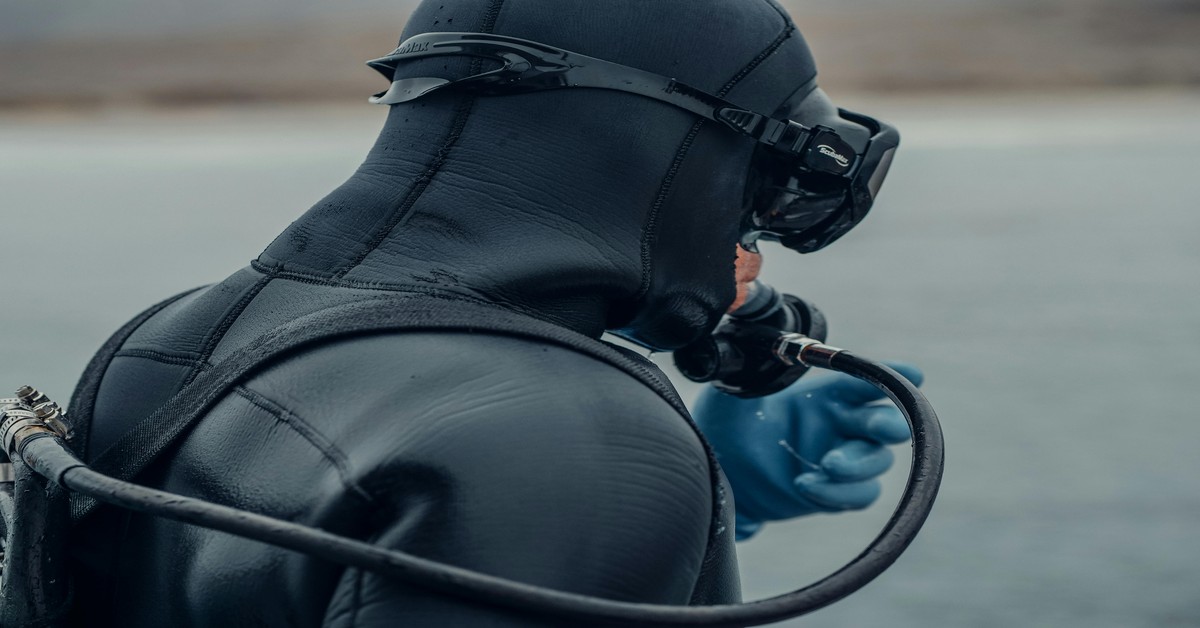
Cold Water Diving and Thermal Recovery
Cold water changes everything. Your body burns more calories just trying to stay warm. Digestion slows down. Blood flow shifts away from your stomach toward your core. That makes it harder to absorb nutrients.
If you’re diving in water below 60°F (15°C), your recovery needs to account for that. Warm up before you eat. A hot shower for ten minutes helps get blood flowing to your digestive system. If no shower is available, drink warm broth or herbal tea. A good thermos filled with hot chicken broth or miso soup is worth its weight in gold on a cold dive day.
Another option is an electric hand warmer or a heated vest. Getting your core temperature back up speeds up recovery. It also prevents that chilled-to-the-bone feeling that lingers for hours.
Your nutrition needs increase in cold water. You might need an extra 300 to 500 calories per dive session. Don’t ignore that. Add a second recovery snack if you’re diving in cold conditions.
Putting It All Together: Your Pre- and Post-Dive Checklist
Here’s the short version. Print it. Save it. Follow it.
- Pre-dive hydration: Drink 500ml water with electrolytes one hour before diving.
- During diving: Sip electrolyte water between dives. Keep a bottle in your gear bag or on the boat.
- Post-dive timing: Eat a carb-protein snack within 30 to 60 minutes. Think 3:1 or 4:1 ratio.
- Electrolytes: Use them before, during, and after diving. Don’t rely on plain water alone.
- Protein: Aim for 20-30g post-dive. Whey, eggs, jerky, or grilled chicken all work.
- Cold water: Warm up before eating. Drink warm broth or use a heated vest.
- Multi-day trips: Prioritize sleep. Don’t skip meals. Hydrate aggressively.
- Mistakes to avoid: No empty stomach dives. No coffee before rehydrating. No heavy fried food post-dive.
Ready to Dive Better? Start Here
Recovery isn’t complicated. It’s just consistent. A few small habits—pre-hydrating with electrolytes, eating a protein snack post-dive, and sleeping enough—add up to better performance and safer diving. You don’t need a sports nutritionist or a cabinet full of supplements. You just need a plan and the discipline to follow it.
If you want to set yourself up for your next trip, consider looking into dive recovery tools. Electrolyte tablets, portable protein shakers, thermoses, and sleep accessories can make a real difference. Nothing flashy. Just tools that work.