Hole Hunting: Secrets to Finding Fish in the Rocks
Introduction
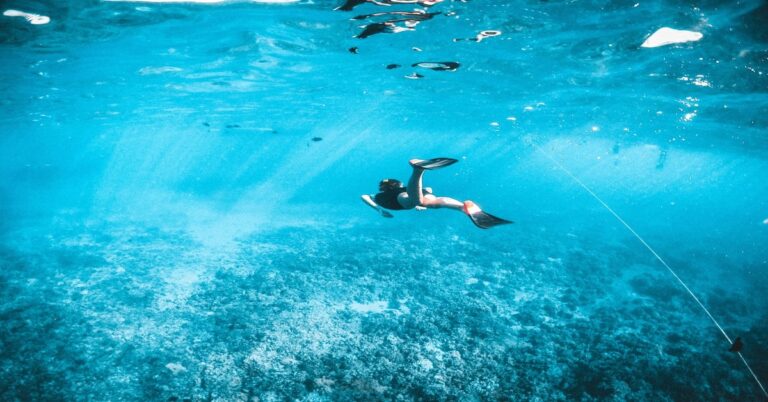
Hole hunting is one of the most productive and challenging techniques in spearfishing. It’s the skill of finding and taking fish that hide in cracks, crevices, and under ledges on a reef. If you’re targeting grouper, snapper, hogfish, or lobster, you need to master spearfishing hole hunting to consistently put fish on the stringer. I’ve spent countless hours staring into dark cavities, learning the hard way what works and what gets you in trouble. This guide is based on real experience, not theory. It’s practical, cautious, and focused on results. If you’re ready to move beyond open-water cruising and start pulling fish out of the rocks, this is for you.
Pulling grouper from holes is what got me hooked on spearfishing — and it’s taught me more about fish behavior than any book.
Why Hole Hunting Is a Skill Worth Mastering
Most spearfishers start by scanning the water column for cruising fish. That works for pelagics, but reef fish don’t cruise. They hide. Grouper, snapper, hogfish, and even lobster spend their days tucked into holes, waiting for an easy meal to swim by. If you can’t work the bottom structure, you’re leaving more than half the available fish on the table.
Hole hunting is fundamentally different from open-water hunting. It requires patience, precision, and a completely different approach to reading the environment. You’re not chasing fish; you’re coaxing them out of their homes. The learning curve is steep, and most beginners fail their first dozen attempts because they rush, spook the fish, or don’t understand what they’re looking at. But once you learn to read the rocks and approach a hole correctly, you gain access to fish that other divers swim right past. It’s a skill that pays off every time you drop into the water.
The Right Gear for Rock Reef Hunting
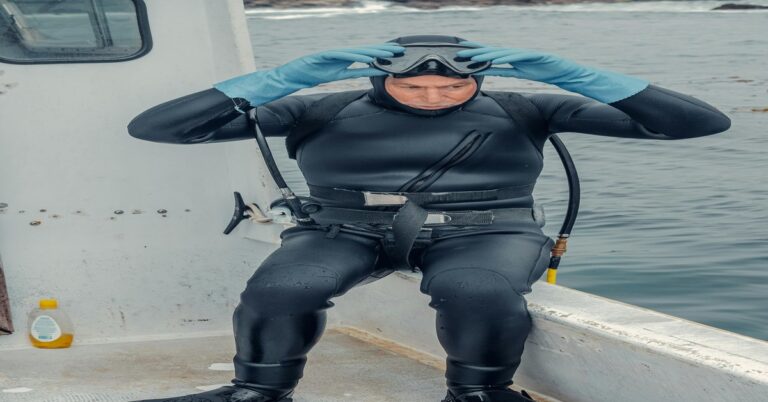
Hole hunting demands specialized gear. You can’t use the same setup you’d take for blue water hunting. Here’s what you need:
- Short speargun (55-75cm): Maneuverability is everything in tight spaces. A longer gun will snag on rocks, get tangled in line, and be impossible to aim inside a crevice. I use a 60cm railgun for most hole hunting. For anyone starting out, a short speargun in this size range is worth looking into. Rob Allen and Pathos make solid, reliable options. On a budget, a Cressi Comanche is a good entry point. You lose some power with a short gun, but you gain the ability to place a shot exactly where you need it.
- Dive light: essential. You need to see into dark holes before you put your head or gun inside. A good dive light is your primary tool for assessing a hole. More on this below.
- Secure stringer: You’ll be swimming through rocks and ledges. A floating stringer can snag and get ripped out of your hand. Use a short, flush-mount stringer that clips securely to your weight belt or BCD. I’ve lost too many fish to recommend anything else.
- Dive knife: A sharp, reliable knife is survival gear. You’ll need it to cut monofilament, pry a fish loose, or free yourself if you get tangled. Keep it on your leg or BCD, not on your arm.
The tradeoff is always between power and maneuverability. A shorter gun gives you control but less range. Make sure your shot placement is precise, because you won’t get a second chance in a hole.
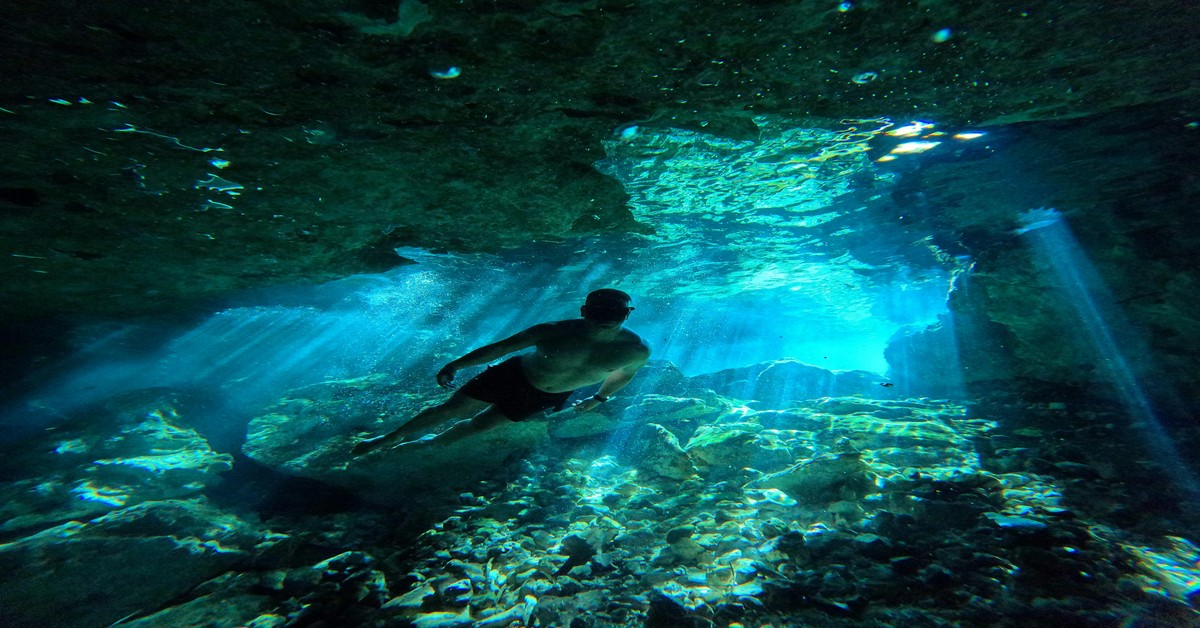
How to Read the Rocks: Spotting Productive Hole Structure
Not every hole holds fish. Learning to identify the productive ones separates experienced hole hunters from everyone else. Here’s what to look for:
- Deep undercuts: A ledge that extends back into the rock, creating a dark, sheltered space. These are prime real estate for grouper and snapper.
- Ledge overhangs: A rock shelf that juts out over a sandy or rubble bottom. Fish sit underneath, watching the water column.
- Small crevices with dark shadows: Tight spaces that are hard to see into. If the shadow is dark and consistent, something is likely living there.
- Holes with a clear exit route: Fish prefer holes that have a back door. If a hole is a dead end, fish are less likely to use it. Look for openings that connect to another cavity or lead to open water.
- Near sandy patches or current lines: Fish like to be near feeding grounds. Holes adjacent to sand or in a current line are more likely to hold active fish.
Avoid holes with fine silt or sand inside. That indicates poor water movement, which means less oxygen and less food. Those holes are usually empty or hold only small, unwanted fish. If you see a plume of silt when you approach, move on.
Before you dive down to a hole, take a mental snapshot from a distance. Look for movement, fin tips, or a tail sticking out. If you see anything, that’s your target.
Step-by-Step Hole Hunting Techniques
Approaching and hunting a hole requires a methodical process. Here’s the step-by-step approach I use:
- Observe from a distance: Before you commit to the dive, hang back 10-15 feet and watch the hole. Look for movement, a flicker of a fin, or a tail. If you see nothing, that doesn’t mean it’s empty, but it’s a good starting point.
- Approach slowly and at an angle: Never swim directly at a hole from above. Your silhouette will spook anything inside. Approach from the side, staying low in the water column. Use your fins gently to avoid stirring up silt.
- Probe first: Before you stick your head or gun into a hole, use a pole spear or the tip of your gun to gently probe the entrance. This checks for hazards like eels, lionfish, or sharp rocks. I’ve had more than one moray eel lunge out of a hole I was about to enter.
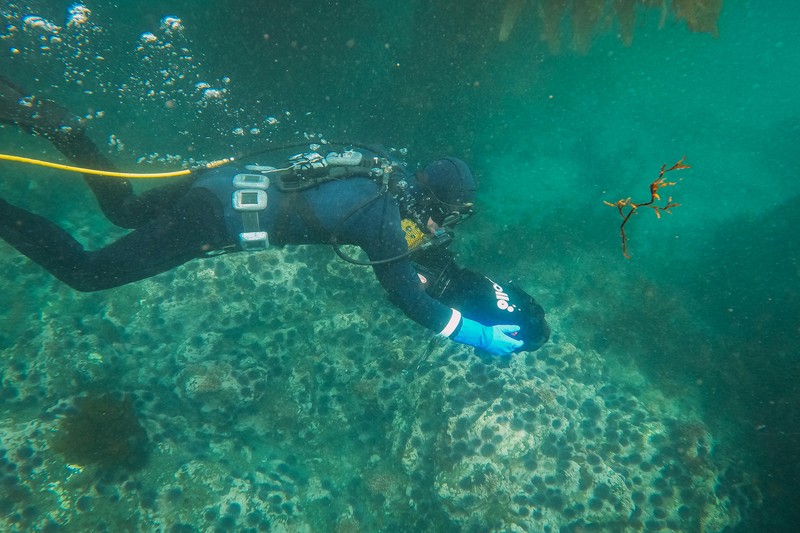
- Shine your light carefully: Once you’re close, turn on your dive light and sweep it slowly across the hole. Do not shine it directly at a fish’s eyes. Angle the beam to one side. A direct blast of light will spook most fish. Use the light to check for predators first, then look for your target.
- Wait and relax: After you’ve shown light, pause. Count to 10. Fish need a moment to decide you’re not a threat. If you rush in, they’ll bolt. I’ve had grouper sit still for a full 20 seconds before deciding to come out. Patience here is 10-30 seconds, not minutes. After that, if nothing moves, you can move on or try a different angle.
- Take your shot: When you have a clear aim at the head or the spine, take the shot. A clean kill shot is critical because a wounded fish will wedge itself deep into the rocks, and you’ll lose your spear and the fish.
Common mistakes here are rushing, jamming the gun into the hole, and not giving the fish enough time to settle. Slow down. Most failures happen because the hunter is impatient.
Common Hole Hunting Mistakes (And How to Avoid Them)
After years of making every mistake possible, here are the ones I see most often:
- Not checking for eels or poisonous fish first: A moray eel bite is nasty. A lionfish spine is worse. Always probe a hole before you put any body part inside. If you see a lionfish, don’t shoot it in a hole. The spines can still get you. Back away and deal with it in open water.
- Getting wrapped in monofilament line: Old fishing line is everywhere in the rocks. It’s invisible and can wrap around your gun, your fins, or your neck. If you feel resistance, stop and check. Carry a sharp knife.
- Shooting a fish that blocks your only exit: If the hole is a dead end, and you shoot a big fish, it can wedge itself in the entrance. Now you can’t get in, and the fish is stuck. Aim for a shot that lets you pull the fish out directly, or make sure you have a clear path around it.
- Using a gun that is too long or powerful: A 110cm gun in a 60cm hole is useless. You’ll hit the rocks, not the fish. Keep your gun short.
- Underestimating the strength of a fish in a hole: A grouper or snapper in a hole has tremendous leverage. It will use the rocks to brace itself. A clean kill shot is the only way to avoid a long, exhausting fight. If you wound the fish, it will disappear into the rocks and you’ll never see it again.
- Not using a dive light properly: A light is not a toy. It’s a tool for assessment and targeting. Use it slowly, and avoid shining it directly into fish eyes. This is the difference between a productive dive and a frustrating one.
Every mistake here is preventable. The fix is always the same: slow down, think, and use the right technique.
Safety First: Hazards in the Rocks
Hole hunting is inherently more dangerous than open-water hunting. The environment is tight, dark, and full of sharp things. Here are the specific risks and how to mitigate them:
- Entrapment: Getting stuck in a tight crevice is a real risk. Never dive a hole headfirst. Always approach feet-first or from the side, so you can back out quickly. If a hole looks tight, it’s probably too tight. Move on.
- Sharp coral and rock: A cut on coral can get infected fast. Wear a thick wetsuit or a rash guard, and always have a first-aid kit on your boat or shore. I keep a tube of antiseptic and a roll of medical tape in my dive bag.
- Hazardous marine life: Moray eels, lionfish, stingrays, and even the occasional stonefish can be in holes. A moray bite is serious. A lionfish spine causes intense pain. Probe every hole before you put any part of your body inside. If you see a lionfish, back away. Do not try to handle it in a confined space.
- Entanglement: Your own speargun line or float line can wrap around rocks or your own fins. Use a short, stiff leader and a quick-release system on your float line. If you feel tension, stop and untangle before it gets worse.
Buddy communication is critical. Your buddy should know where you are at all times, especially when you’re working a hole. If you get stuck or tangled, they need to be close enough to help. Never hole hunt alone. The risk is too high.
Lighting and Visibility: Making the Most of Your Dive Light
A dive light is your most important tool for hole hunting after your spear gun. Without it, you’re blind. With it, you can assess, target, and extract fish safely. If you’re looking for a dependable option, a good LED dive light for spearfishing makes all the difference. Here’s what you need to know:
Types of lights: LED is the standard now. It’s bright, efficient, and durable. Halogen is outdated and uses too much battery. HID lights are powerful but bulky. Stick with a good LED light. Look for a beam that’s wide enough to illuminate a whole hole but focused enough to see detail. A tight, focused beam is less useful because you can’t see the whole picture.
How to use it: Approach the hole with the light off. When you’re close, turn it on and sweep it slowly. Never shine it directly into a fish’s eyes. Angle it to one side so the light reflects off the back wall of the hole. This illuminates the space without startling the fish. Use the light to check for predators (eels, lionfish) first, then look for your target.
Budget vs. premium: You don’t need a $500 light. A reliable, waterproof LED dive light from a brand like Light & Motion, Dive Rite, or even a budget option like Suptig will work. what matters is reliability. If your light dies underwater, you’re in the dark. Test your light before every dive.
Hole Hunting vs. Open Water: When to Use Each Technique
Hole hunting is not a universal method. It’s a specialized technique for specific conditions and species. Here’s how it compares to open-water hunting:
- Visibility: Hole hunting excels in low visibility. When the water is murky, fish hole up. In clear water, they’re more likely to be in the open. If you can barely see 10 feet, head for the rocks.
- Target species: Hole hunting targets reef fish: grouper, snapper, hogfish, and lobster. Open-water hunting targets pelagics: tuna, mahi-mahi, wahoo, jacks. Don’t try to hunt a tuna in a hole. It won’t work.
- Equipment: Hole hunting needs a short gun, a light, and a secure stringer. Open-water hunting needs a longer gun, a float line, and often a diving board or scooter. The gear is not interchangeable.
- Risk profile: Hole hunting is higher risk due to entrapment, entanglement, and hazardous marine life. Open-water hunting has fewer physical hazards but requires better breath-hold and swimming skills.
The best spearfishers can do both. They know when to switch between techniques based on the conditions and the fish they’re after. If you only learn one, you’re limiting yourself. Build skills in both areas.
Best Fish to Target in Holes (and What to Avoid)
Not all fish in holes are worth shooting. Some are dangerous, some are toxic, and some are just too small. Here’s a practical breakdown:
Desirable species:
- Cubera snapper: Large, powerful, and delicious. They sit in deep undercuts with sandy bottoms. A shot to the head is essential. They fight hard and will wedge themselves in the rocks if wounded.
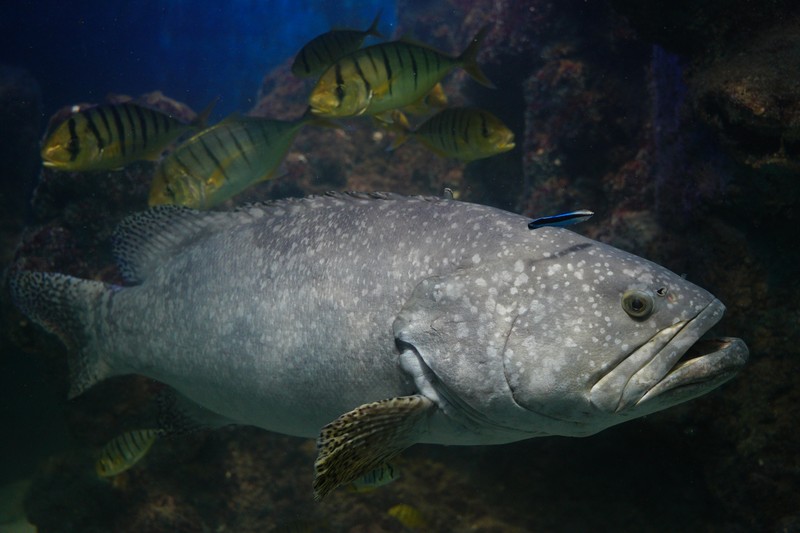
- Gag grouper: Common in ledges with a clear exit. They’re curious and will often come out to investigate if you’re patient. Aim for the spine just behind the head.
- Mutton snapper: Often found in holes near current lines. They’re fast and spooky, so you need a clean approach. Excellent table fare.
- Hogfish: Usually found on open reef, but they’ll tuck into crevices when pressure is heavy. A good hogfish in a hole is a prize. They’re smart and hard to fool.
Species to avoid:
- Soapfish: They secrete a toxin that can make you sick. Don’t shoot them, and don’t eat them.
- Scorpionfish and lionfish: Venomous spines. Avoid handling them, especially in a hole where you can’t see. If you must remove a lionfish, use a specialized tool or shoot it in open water.
- Small triggers: They can wedge themselves in small spaces and are not worth the effort. Leave them alone.
When you’re assessing a hole, look for the telltale signs of a desirable fish: a large shadow, a tail sticking out, or the distinct profile of a grouper or snapper. Don’t waste your energy on small or dangerous fish.
Scouting and Planning for a Hole Hunting Trip
Choosing the right location is half the battle. Here’s what to look for:
- High-relief reef: Reefs with lots of ledges, overhangs, and undercuts are prime. Low-relief reefs with no structure are not worth your time. Look for jagged rock formations, large boulders, or drop-offs.
- Weather effects: A slight surge helps visibility in holes by moving silt out. Too much surge, and the fish will hide deeper. Calm water makes for clearer conditions but also means the fish are more nervous.
- Tidal movements: Incoming tide pushes larger fish into holes as they feed. Outgoing tide is less productive. Plan your dives around the tide chart if possible.
- Local knowledge: Talk to experienced divers in the area. Ask about productive spots, known hazards, and the best times to hit specific reefs. Most spearfishers are happy to share advice if you’re respectful.
Logistics matter. Make sure you have a reliable way to get back to your entry point, especially if you’re shore diving. A GPS or a good sense of direction is essential when you’re working a reef line.
After the Shot: Extracting Fish from a Hole
The shot is only half the battle. Getting the fish out without losing your gear or the fish is the real test. Here’s how to handle it:
- Aim for the head or a clean kill shot: A fish that is stunned or killed instantly won’t wedge itself. A wounded fish will use every ounce of strength to get deeper into the rocks. If you can’t get a clear head shot, wait for a better angle.
- Pull carefully: Use a gloved hand if possible. A glove protects you from sharp spines and teeth. If the fish is wedged, do not yank. You’ll break your spear. Instead, try to rotate the fish or cut the line and re-approach from a different angle.
- Cut the line if needed: If the fish is deep and you need to surface for air, cut the line. A quick-release system on your float line is invaluable here. You can surface, regroup, and then go back down to retrieve the fish. Trying to fight a heavy fish on a single breath is a recipe for failure.
- Use a dock or stringer tool: A short metal hook or a dedicated stringer tool can help you pull a fish out without getting your hands near its mouth. It’s a small investment that saves a lot of hassle.
Extraction is the most dangerous part of hole hunting because you’re committed to the fish. Stay calm, think through your steps, and don’t be afraid to abandon the fish if it becomes unsafe.
Maintaining Your Hole Hunting Gear
Hole hunting is hard on gear. Rocks, sand, and saltwater will wear everything down fast. Here’s what to check after every trip:
- Rinse your reel mechanism: Sand gets into everything. Rinse your reel with fresh water, then dry it thoroughly. A gritty reel will fail when you need it most.
- Check O-rings on dive lights: Saltwater can degrade O-rings quickly. Inspect them before every dive. A flooded light is a dead light.
- Inspect spearshafts for bends: A spear that hits a rock will bend. A bent spear won’t fly straight. Roll it on a flat surface to check. Replace it if it’s bent.
- Sharpen tips: Rocks dull tips fast. A sharp tip penetrates cleanly; a dull one will glance off bone. Use a diamond file to keep your tips razor sharp, like a quality diamond file for spear tips.
Gear failure in a hole is dangerous. Take the time to maintain your equipment. It’s the difference between a successful dive and a potentially hazardous situation.
Ready to Start Hole Hunting?
Hole hunting is a skill that rewards patience, preparation, and respect for the environment. Start with safe, shallow holes in familiar territory. Build your confidence before moving into deeper, tighter spaces. Gear up properly, move slowly, and always dive with a buddy.
Every successful hole hunt is a combination of reading the rocks, using the right technique, and staying calm under pressure. The fish are there. They’re just waiting for someone who knows how to find them.
If you’re looking for the right gear to get started, a good short speargun and a reliable LED dive light are your first purchases. Check out the options from Rob Allen, Pathos, or Cressi for guns, and Light & Motion or Suptig for lights. Invest in quality, and it will repay you every time you pull a fish out of the rocks.