Legal Limits and Licenses: Spearfishing Regulations Explained
Why Spearfishing Regulations Matter
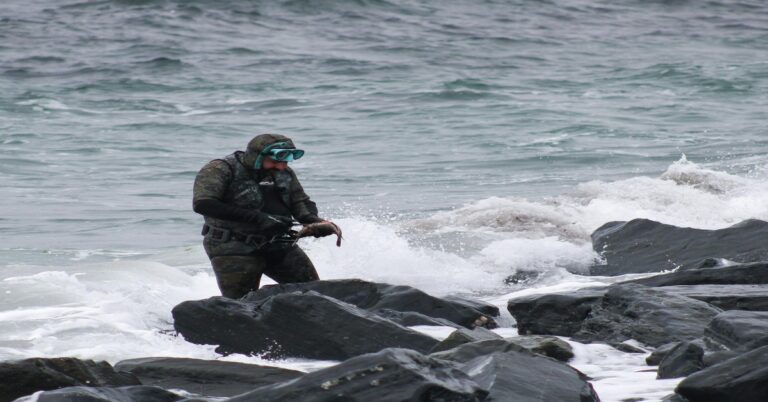
Most people getting into spearfishing for the first time don’t think about the legal side. They think about the gear, the spots, and the fish. That’s normal. But ignoring the rules is one of the fastest ways to get kicked out of the sport permanently. Spearfishing regulations exist for three primary reasons: conservation, safety, and fair access to the resource.
Conservation is the most important piece. Spearfishing is an incredibly effective hunting method. A good diver can take a lot of fish in a short amount of time. Without bag limits, size limits, and seasonal closures, even common species can get hammered. Overfishing is real, and the rules are designed to prevent that. They protect breeding populations and allow stocks to replenish.
Safety is another layer. Restrictions on gear types, like banning powerheads or limiting band lengths in crowded areas, are there to keep you and other divers out of trouble. Fair access means that everyone gets a shot at the resource. If one person can wipe out an entire spawning aggregation, the sport suffers for everyone else. Compliance isn’t about being a goody-two-shoes. It’s about protecting the sport so that you can keep doing it ten years from now.
The First Step: Getting Your Spearfishing License
Before you even load your gear, you need to figure out if you legally can. The first step is always the same: check the state fish and wildlife agency where you plan to dive. In the United States, most states require a standard saltwater fishing license plus a special spearfishing endorsement or permit. You typically apply through the state’s online portal or at a local bait and tackle shop.
What you need to bring is pretty straightforward. Your driver’s license or state ID is the baseline. If you’ve held a fishing license before, you might need the previous license number or your conservation ID. The costs are reasonable in most places. For residents, you’re looking at $10 to $50 for an annual license. Non-residents pay more—sometimes double or triple that amount. There are multi-day options available for travelers, often three-day or seven-day permits that cost less than a full annual license.
One critical distinction is between saltwater and freshwater licenses. If you’re diving in the ocean, you need a saltwater license. If you’re hitting a river or lake, that’s usually a different tag. Some states tie the spearfishing endorsement directly to your fishing license, meaning you cannot buy one without the other. Always confirm whether you need both or if the endorsement stands alone.
Bag Limits: How Many Fish Can You Take?
Bag limits are the daily maximum number of fish you’re allowed to take per species. These limits vary pretty wildly depending on where you are and what you’re hunting. For example, in Florida waters, you might be allowed up to 10 reef fish per person per day, but only one hogfish per person. Grouper limits are even stricter—often one or two fish, and only within a specific size window.
The bag limit for spearfishing can be lower than the limit for hook-and-line anglers. Some states specifically reduce the bag limit for spearfishing because the method is so effective. It’s also important to note that you cannot combine bag limits across methods. Taking 10 reef fish on a speargun and then catching another five on a rod in the same day is illegal. Your total take is your total take.
Here is a rough example based on common regulations for the southeastern U.S.:
- Snapper (mangrove, mutton, lane): 10 per day per species
- Hogfish: 1 per day
- Grouper (black, red, gag): 1–2 per day depending on species
- Mahi-mahi: 10 per day
- Permit: 2 per day
Always check the most current regulations. Bag limits change when stock assessments come out or when populations dip unexpectedly.
Size Limits: Measuring Your Catch Correctly
Size limits prevent you from taking fish that are too small (immature fish that haven’t spawned) or too large (older breeding fish that produce the most offspring). Most size limits are expressed as a slot: a minimum length and a maximum length. For example, gag grouper in the Gulf of Mexico must be between 24 and 36 inches. Anything outside that slot must be released.
How you measure matters. Some species use total length (the tip of the nose to the tip of the tail). Others use fork length (from the nose to the fork in the tail). A few use lower jaw length. You need to know which measurement method applies to the fish you’re taking. A simple plastic measuring board or a dive-specific tape measure costs less than $15 and can save you thousands in fines. Travelers looking to stay within regulations without the guesswork may find a dive measuring board to be a practical addition to their kit.
A common mistake beginners make is assuming that if a fish looks big enough, it’s legal. That’s how violations happen. I’ve seen divers take a red grouper that was 23 inches in a spot where the minimum was 24. That six-inch gap cost that diver a $500 ticket and a day in court. Also, be aware of maximum size limits. Some species, like red drum, have a maximum size because they are the most prolific breeders.
Spearfishing Licenses vs. Fishing Licenses: Key Differences
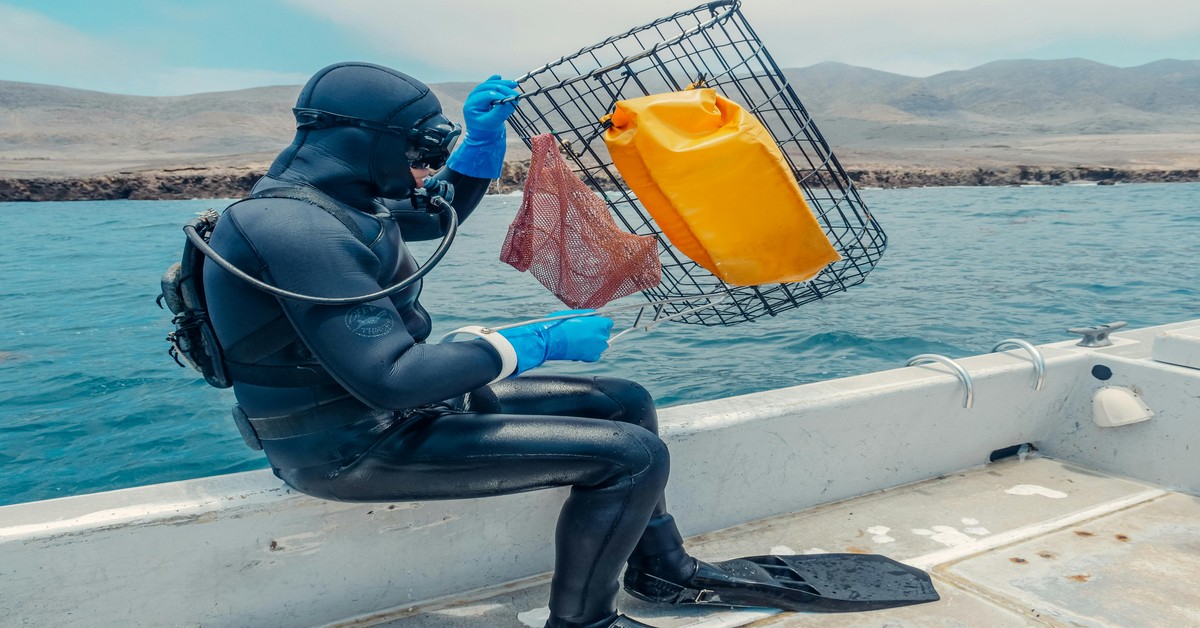
This is one of the most confusing areas for new divers. The basic rule is that a fishing license usually covers hook-and-line angling, and a spearfishing endorsement covers taking fish by spear. But it’s not universal. In some states, you need a valid saltwater fishing license and a specific spearfishing permit. In others, you can purchase a spearfishing-only license that doesn’t require a separate fishing license.
There’s also a difference depending on where you’re diving. Shore diving versus diving from a boat can change requirements. Some states require a vessel license if you’re diving from a boat. Others don’t. If you’re a non-resident traveling to a state that honors reciprocity, you might be able to use your home state license for certain species. But that’s rare. Most popular spots like Florida, California, and Hawaii do not offer reciprocity for spearfishing.
The practical takeaway: buy both your fishing license and your spearfishing endorsement before you dive. You can do this online in under ten minutes. The cost is usually under $60 for residents. Do not assume your fishing license covers you. It almost never does.
Protected Species and Seasonal Closures
Some fish are completely off-limits to spearfishing. This includes most billfish (marlin, swordfish), marine mammals (dolphins, seals, manatees), and sea turtles. Sharks are also heavily regulated. Some species you cannot spear at all. Others, you cannot take in certain areas. For example, great hammerheads are protected in Florida and several other states.
Seasonal closures are equally important to track. Many species have spawning aggregations that are protected by closed seasons. For instance, grouper spawning season in the South Atlantic is typically closed from January through April. If you take a grouper during that window, you are committing a serious violation. These closures shift year to year based on current stock assessments.
Ignorance is not a defense. I have seen divers get hit with heavy fines for taking a cubera snapper in a closed season—they thought it was a mutton snapper. The wardens don’t care about honest mistakes. They care about the law. Always check the current closures before you head out.
Common Mistakes Beginners Make with Regulations
After a decade of diving, I’ve seen the same mistakes happen over and over. The first one is assuming that federal and state rules are the same. Federal waters (beyond three miles) may have different bag limits and size limits than state waters. Same species, different rules. You need to know where you are on the water and which jurisdiction applies.
The second mistake is failing to report catch in areas that require it. Some states, like Hawaii and parts of the Gulf Coast, require you to report your catch within a certain window. If you don’t, you can be cited even if you were perfectly within your bag and size limits.
Third, misidentification is a huge issue. A lot of fish look similar to a beginner. I have seen divers return to the dock with a fish they thought was a nice mutton snapper, only to be told it was a juvenile cubera—a species with completely different bag limits and sometimes a seasonal closure. The fines stack up fast. Learn to ID your target species before you shoot. Beginners may want to keep a fish identification guide in their dive bag for quick reference.
How to Check Regulations Before You Dive
You can’t afford to be lazy here. The best approach is to start with the state fish and wildlife agency website. Most of these sites have a dedicated page for recreational fishing regulations. Look for a PDF or a searchable database. These are updated annually and sometimes in-season.
Mobile apps are excellent for quick checks. The Fish Rules app is widely used and covers state and federal waters. It shows you current bag limits, size limits, and closures based on your location. Another good option is iAngler, which also allows catch reporting. Both apps are free to download, though some features require a subscription.
Local bait shops and dive shops are a solid backup. The staff usually knows the current regs better than the state website updates. But don’t rely on them as your only source. Always verify yourself. Print a copy of the regulations and keep it in your dive bag or on your boat. Check the day before, not a week before. Closures can change with short notice.
Penalties for Violating Spearfishing Laws
Violations aren’t a slap on the wrist. Minor infractions, like being a couple fish over the bag limit, can cost you $100 to $500 in fines plus court costs. More serious violations, like taking protected species or exceeding limits by a wide margin, lead to fines in the thousands. I’ve heard of gear confiscation—multi-thousand-dollar spearguns taken and never returned. License suspension is common. Multiple violations can lead to a permanent ban from participating in recreational fishing.
Federal violations are handled by NOAA and the Coast Guard. Those come with the potential for jail time, especially if there is evidence of commercial sale of recreational catch. The message is clear: this is not a game. Wardens are active. They patrol popular spots, check coolers, and use undercover techniques. Compliance is your only safe path.
Special Equipment Rules: Bands, Polespears, and Shafts
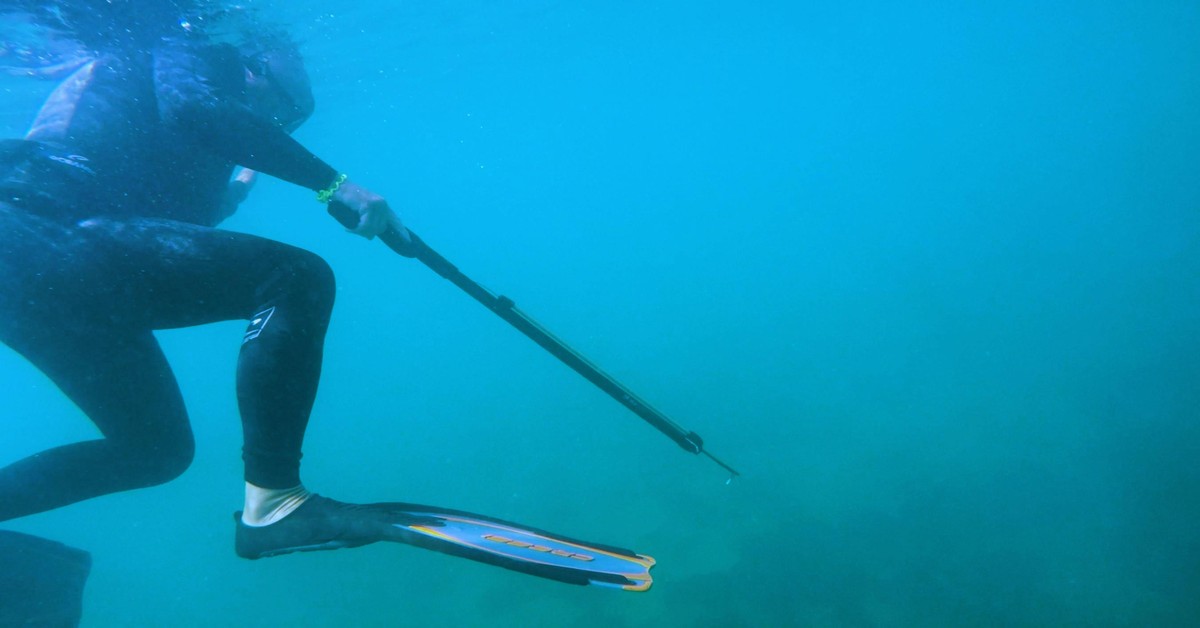
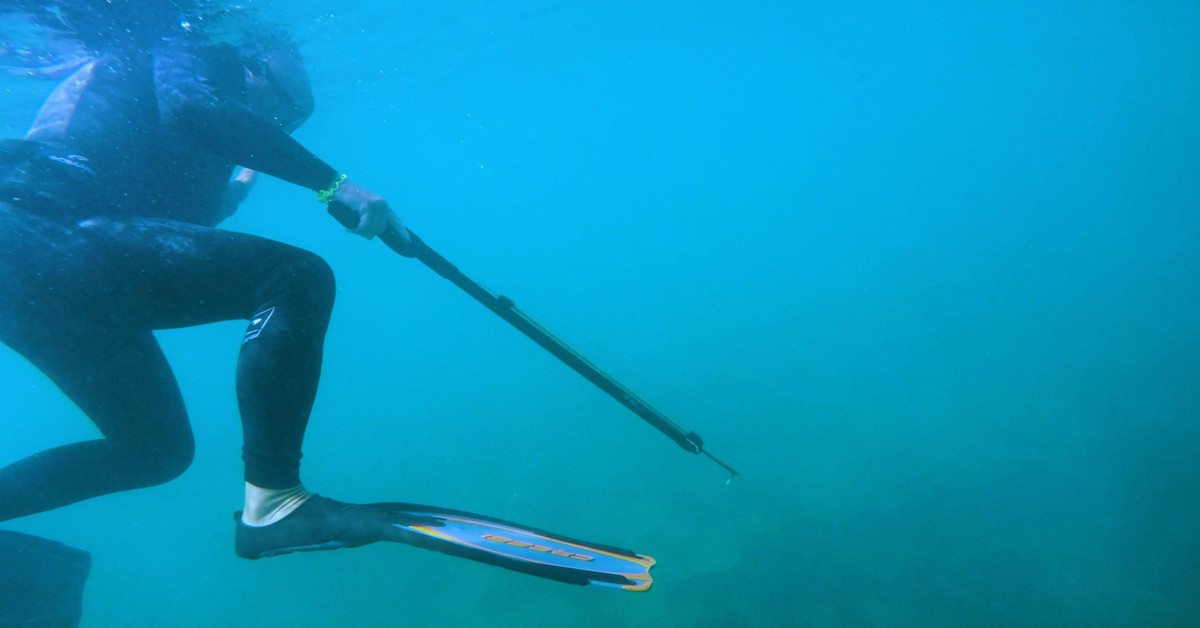
Believe it or not, the gear you use might be regulated. Some areas ban powerheads entirely. These are devices that attach to the spear tip and cause an explosive charge—they are illegal in many states and in all federal waters. Others restrict band length on spearguns. For example, in Hawaii, there are limits on band length depending on the island.
Night diving with a speargun is banned in some places or restricted to certain species. Freshwater spearfishing often has stricter rules. In many states, you cannot use a speargun at all in freshwater—you have to use a polespear or a Hawaiian sling. These are quieter, simpler, and almost always legal. If you are traveling to an area with uncertain regs, a polespear is a safe choice for staying compliant.
International Spearfishing Laws: What to Know Before You Travel
Spearfishing internationally opens up a lot more legal complications. First, you need a valid passport and must comply with customs requirements for transporting your gear. Some countries require a permit to bring a speargun into the country. Others confiscate them at the airport.
Your catch is regulated by CITES (Convention on International Trade in Endangered Species). If you take a species that is listed under CITES, you cannot bring it home without a special permit. That includes things like seahorses and certain corals, but also some fish species.
Popular spearfishing destinations like Mexico, the Bahamas, and Costa Rica have their own local laws. The Bahamas requires you to hire a local guide for spearfishing. Mexico requires a fishing license and a separate permit for the gear. In many places, shore diving without a guide is completely prohibited. Always research the specific country and region before you book a flight.
Creating a Personal Compliance Checklist
Over the years, I’ve developed a small checklist that I run through before every trip. It saves me from mistakes when I’m excited and rushing out the door. Here is what it looks like:
- Verify license is current and covers the area I’m diving
- Check bag limits and size limits for target species
- Bring a measuring device (always, no exceptions)
- Check seasonal closures for the date and location
- Print a copy of current regulations and keep it in dive bag
- Confirm that all gear complies with local rules (no powerheads, proper band lengths)
This takes about fifteen minutes before each trip. It has saved me from at least one ticket. I recommend every diver build their own version based on their local regulations. A printed copy is cheap and weightless. There is no excuse not to carry one.
Final Thoughts: Stay Legal, Stay Safe, Stay Out There
Regulations are not there to make your life harder. They exist because the resource is finite and the sport is effective. The people who ignore them are the ones who end up getting the sport banned in popular areas. Being a responsible spearo means knowing the rules, following them, and setting an example for others.
If you are new to spearfishing, take the time to get your license sorted, learn your target species, and carry a measuring device. It’s not complicated, but it does require attention. Once you have that baseline compliance, you can focus on the good stuff: reading the water, getting the shot, and bringing home dinner.
Now, go check your gear, buy your license, and hit the water with confidence. If you need recommendations on measuring tools or legal gear options, we have a few favorites that are worth a look. Stay legal, stay safe, and stay out there.